JupyterLab Desktop App now available!
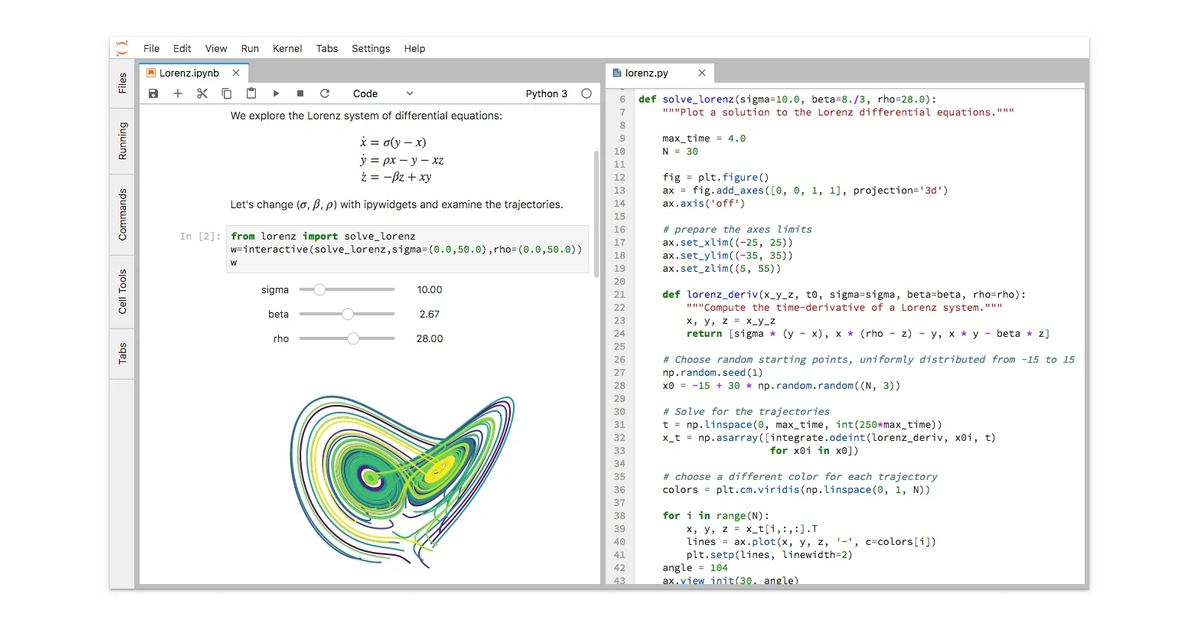
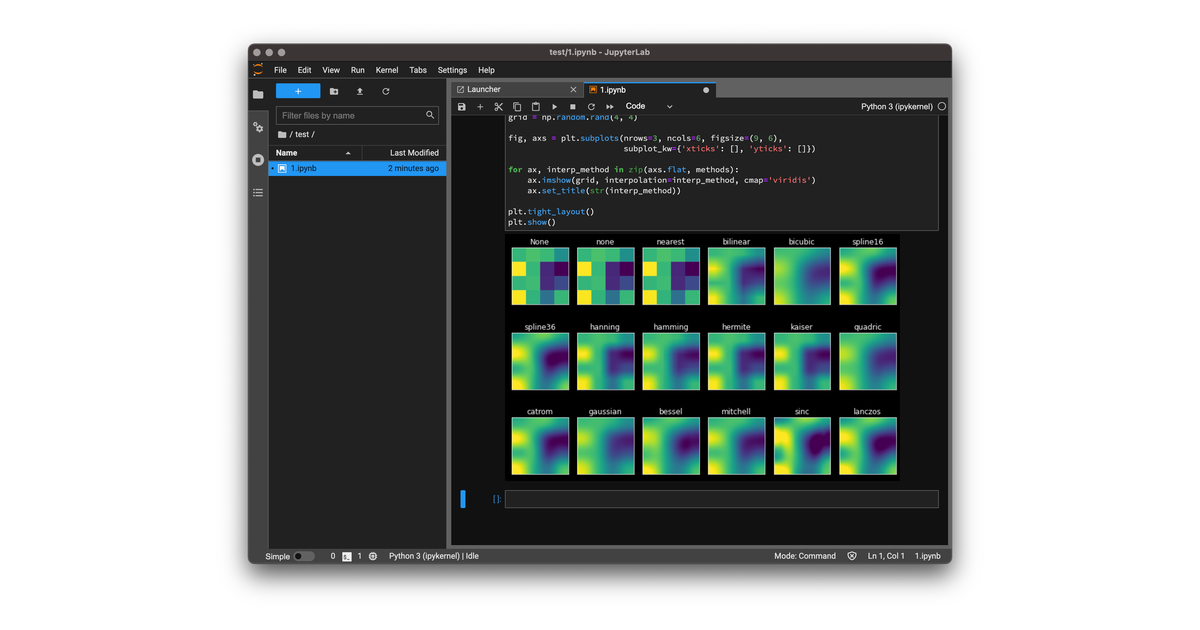
We are pleased to announce the release of desktop application for JupyterLab!


We are pleased to announce the release of desktop application for JupyterLab!
TL:DR; All recent JupyterLab and Notebook versions are susceptible to a attack where a maliciously crafted notebook can trigger arbitrary code execution when a user views these malicious files.
The 3.0 release of JupyterLab brings many new features to users and substantial improvements to the extension system.
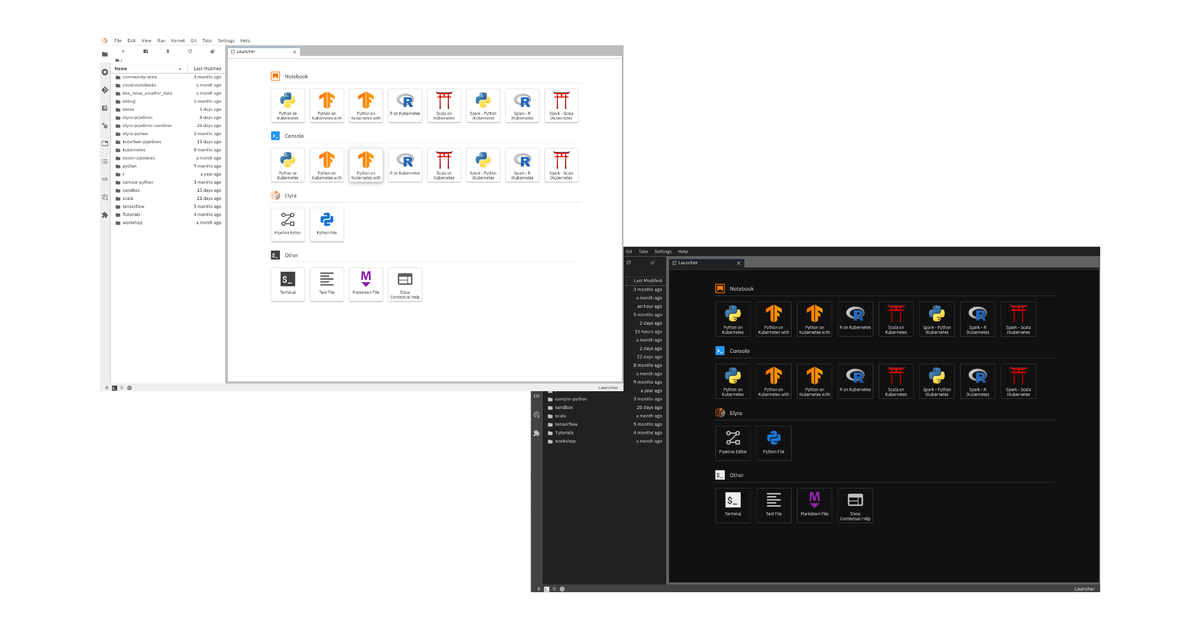
Building on a Jupyter Notebooks foundation, the de facto tool for data scientists, machine learning engineers and AI developers, Elyra is an open-source project that provides a set of AI-centric extensions to JupyterLab aiming to help users through the model development life cycle complexities…
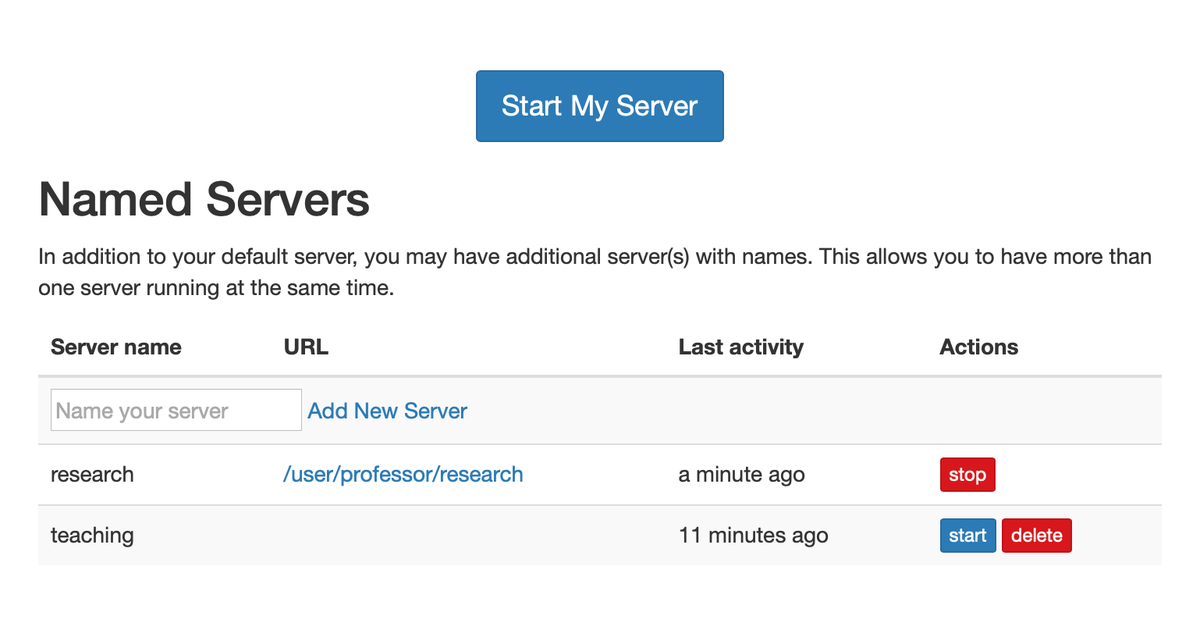
Today, we are pleased to announce the 1.0 release of JupyterHub. We’ve come a long way since our first release in March, 2015. There are loads of new features and improvements covered in the changelog, but we’ll cover a few of the highlights here.
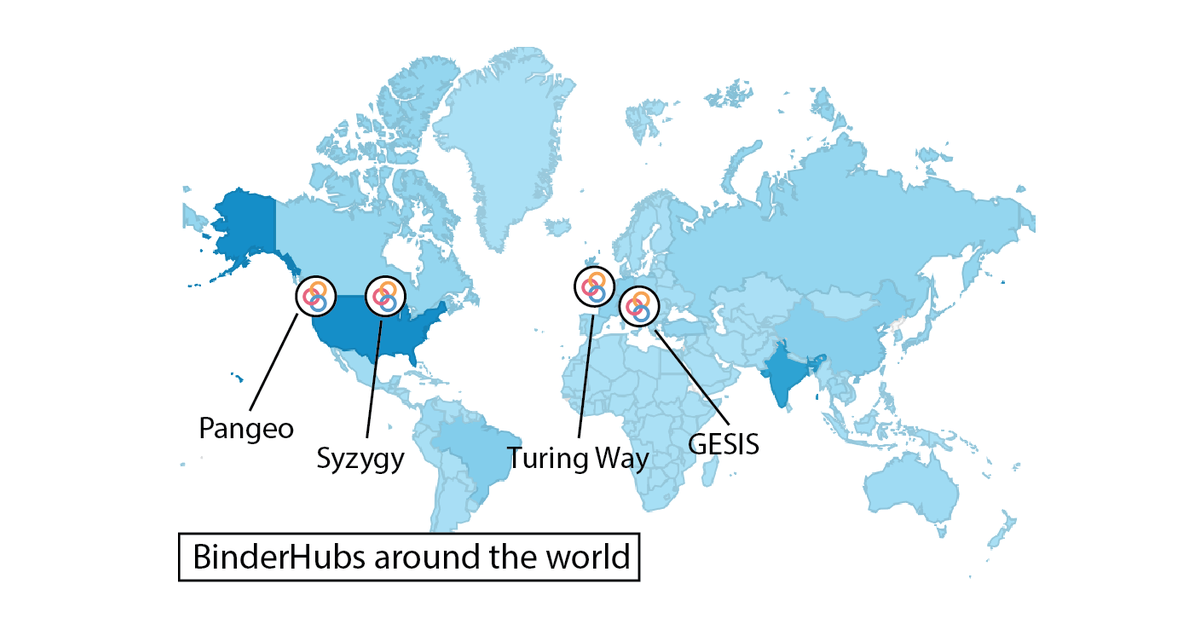
Today we are proud to announce that we now consider BinderHub a stable tool with a track record of operating in production.
Update: notebook 5.7.7 and JupyterHub 0.9.5 contained incomplete fixes for this issue. 5.7.8 and 0.9.6 are released with more complete fixes.
We have just released Jupyter notebook 5.7.6 with a security fix for a cross-site inclusion (XSSI) vulnerability, where content from a Jupyter server could be included in another page if the visitor is logged in to the Jupyter server and the author of the page knows the URL of the server and the…
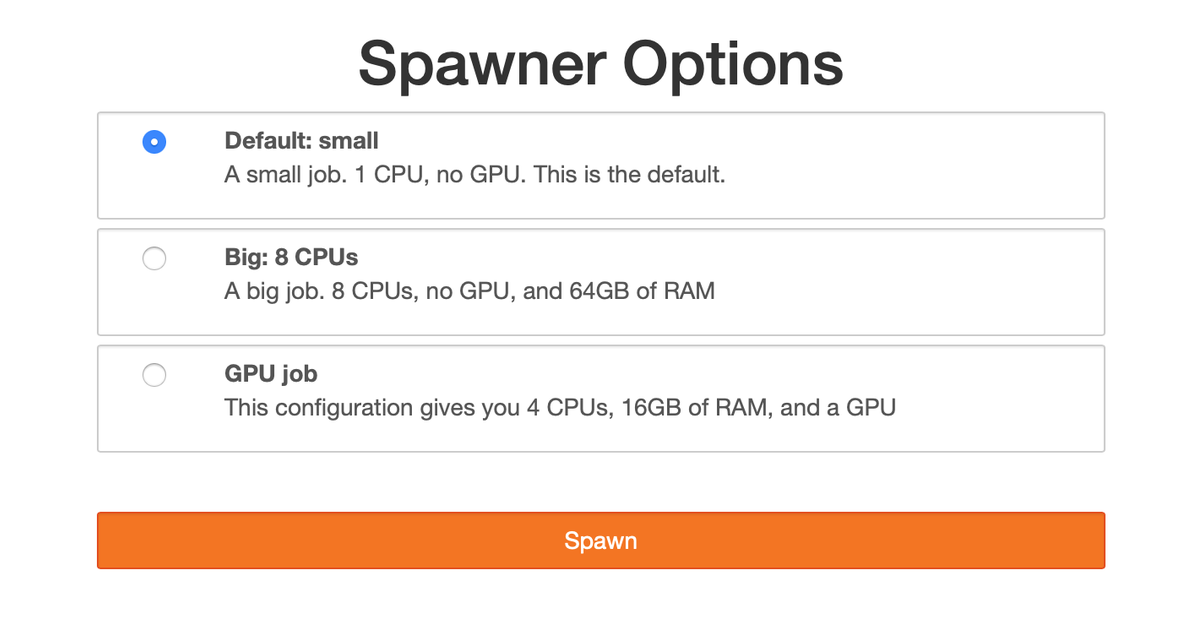
We’ve just released version 0.8 of the jupyterhub helm chart.
Two security issues have been found and fixed this week, where untrusted javascript could be executed if malicious files could be delivered to the users system and the user takes specific actions with those malicious files.
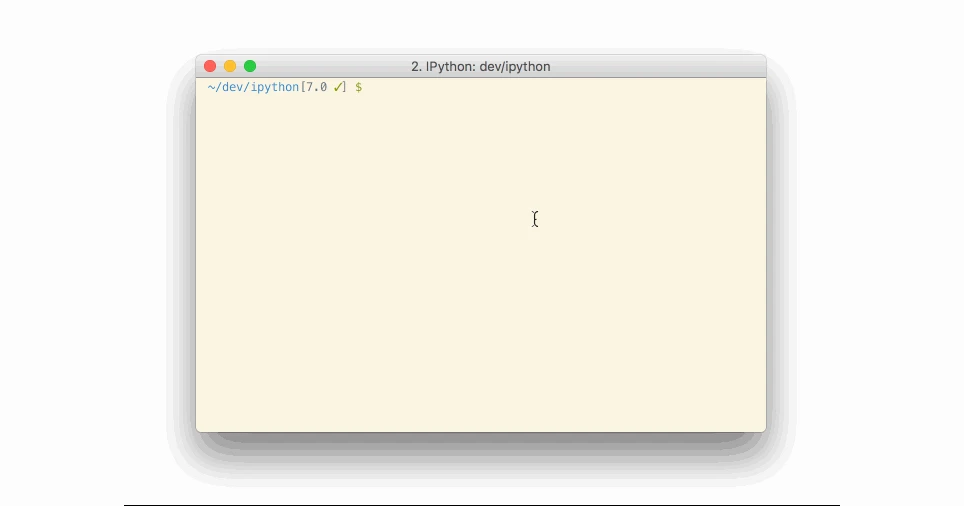
Today we are pleased to announce the release of IPython 7.0, the powerful Python interactive shell that goes above and beyond the default Python REPL with advanced tab completion, syntactic coloration, and more. It’s the jupyter kernel for python used by millions of users, hopefully including you.
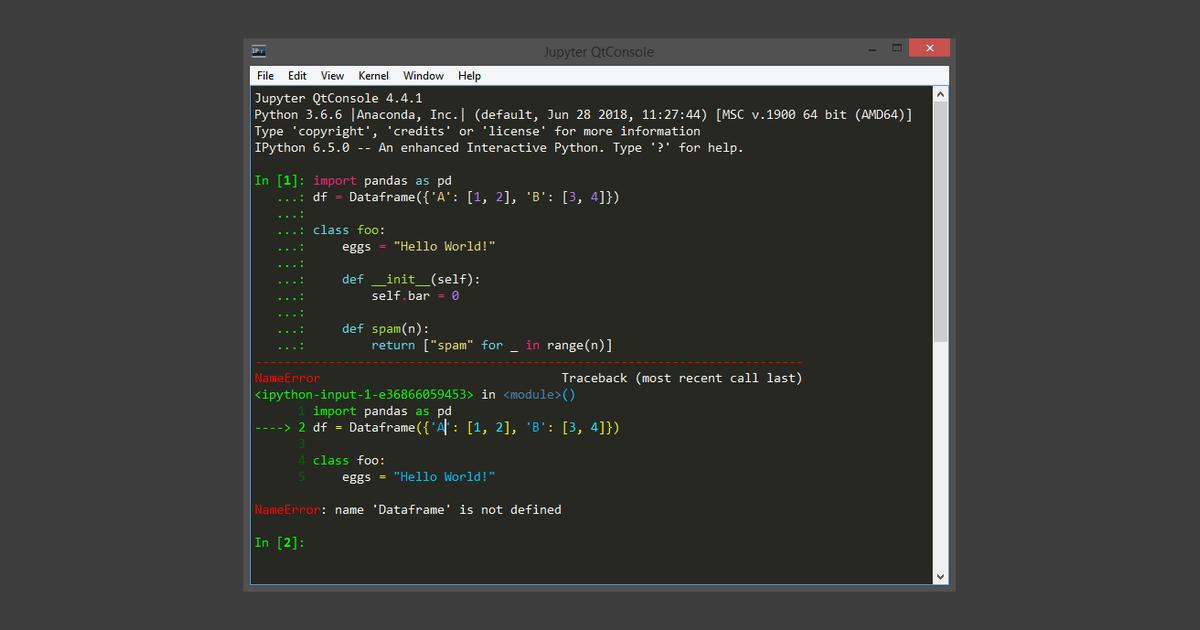
Now with editor integration (build your own IDE!), selectable color schemes, block indent, smart select and delete, and more!
We have just released Jupyter Notebook 5.6.0. This release fixes a vulnerability that could allow a maliciously crafted notebook to execute JavaScript when it is opened, bypassing the trusted-notebook mechanism.
We are pleased to announce the latest release of JupyterHub. JupyterHub is the multi-user server for Jupyter notebooks, allowing students or researchers to have their own workspace. This release has lots of improvements, especially for stability and performance with large numbers of users.
We are pleased to announce the release of Jupyter Notebook 5.5.0.
We are proud to announce the beta release series of JupyterLab, the next-generation web-based interface for Project Jupyter.
This vulnerability has been assigned CVE-2018-7206
We are pleased to announce the release of Jupyter Notebook 5.3.0.
JupyterHub makes it possible to serve Jupyter instances to multiple users. The JupyterHub Helm Chart makes it possible to run this setup on kubernetes, making JupyterHub more scalable, stable, and flexible.
We are pleased to announce the release of Jupyter Notebook 5.2.0. This is a minor release that includes mostly bug fixes and improvements with the notable addition of RTL (right-to-left) support.
We are pleased to announce the release of JupyterHub 0.8. This is a big release with many fixes and improvements, and some major changes.
Four month after releasing IPython 6.1 and 5.4, and a couple of hours after the release of the notebook 5.1, we are happy to announce the release of IPython 6.2 (Python 3 only), and it’s cousin IPython 5.5 still compatible with Python 2.7.
We are pleased to announce the release of Jupyter Notebook 5.1.0. This is a minor release that includes mostly bug fixes and improvements with the notable addition of i18n (internationalization and localization) support.
Slightly over a month ago we released IPython 6.0: the first version of IPython to be compatible only with Python 3. The reception of IPython 6.0 was great, and the codebase way more maintainable.