Jupyter @ Compute! Paris 2026
Jupyter Takes Center Stage at Compute! Paris, Nov 25-26, 2026


News, release announcements, and community stories from Project Jupyter
Jupyter Takes Center Stage at Compute! Paris, Nov 25-26, 2026
The LFortran kernel now runs entirely in your browser, with no installation and no server.
The Jupyter blog has moved from Medium to a new website!
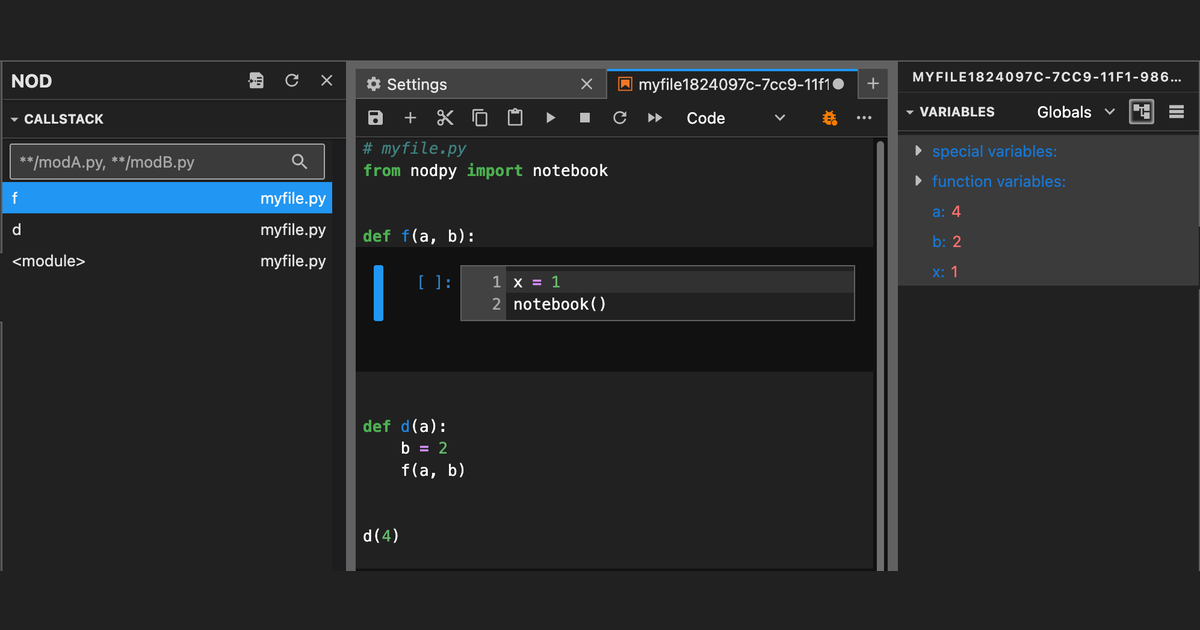
Jump into a Jupyter notebook from anywhere in a Python codebase with this open-source JupyterLab extension.
JupyterHub is a collection of tools that provides standardized, user-friendly computing environments for education and research. Today, we’re pleased to announce the release of JupyterHub 6.0. This is a substantial release with several new features.
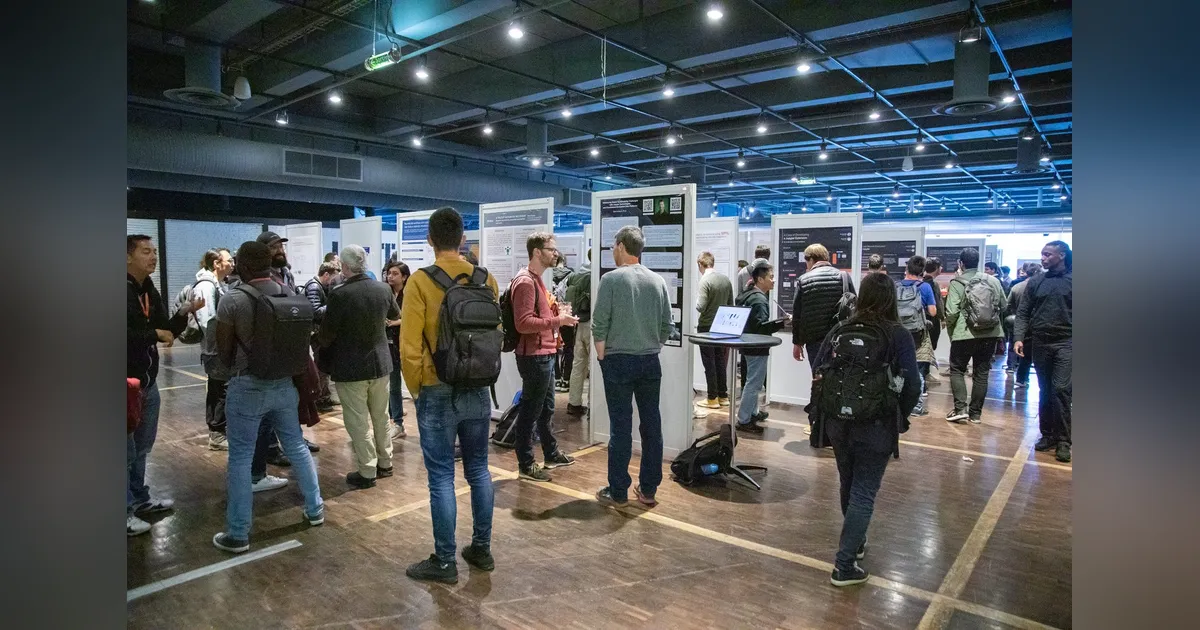
Join us on October 19 for a full day of talks, posters, and community discussion on the future of interactive computing. Submit a talk by September 13 or sponsor the event!
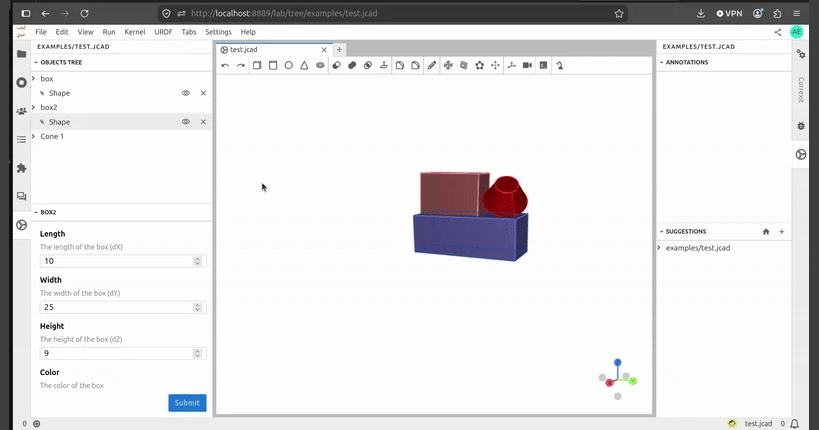
A unified in-browser workflow from CAD to URDF kinematics
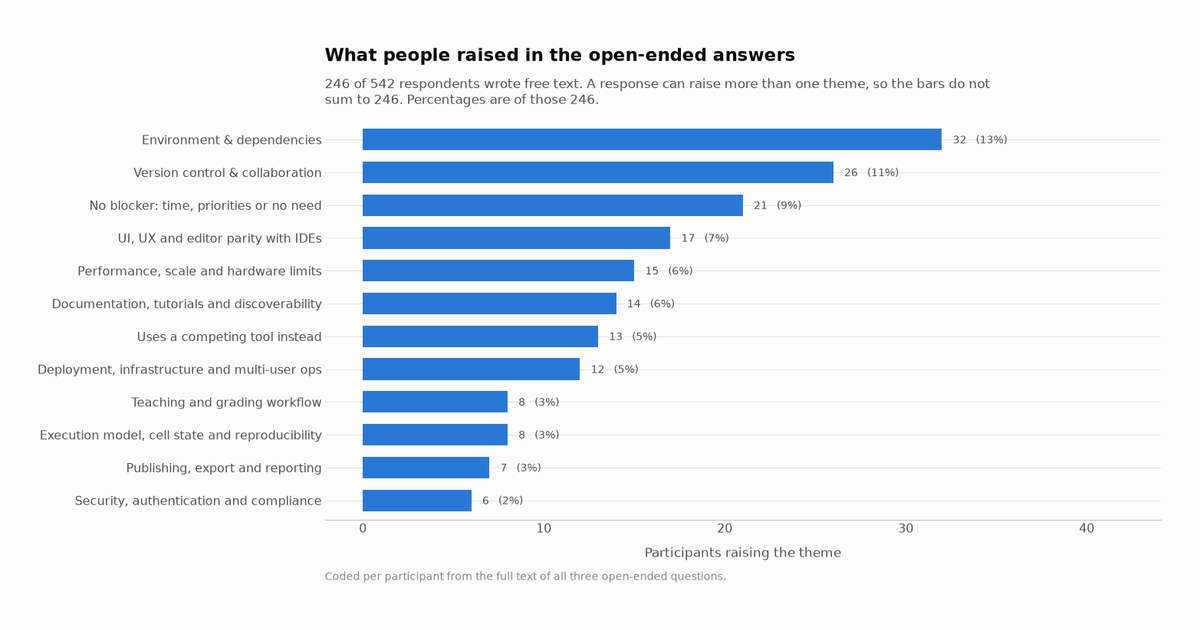
From time to time, Jupyter runs user surveys to understand how our communities use Jupyter technology (or alternatives) and how they feel about it. The Jupyter Foundation recently completed a user experience survey for 2026.
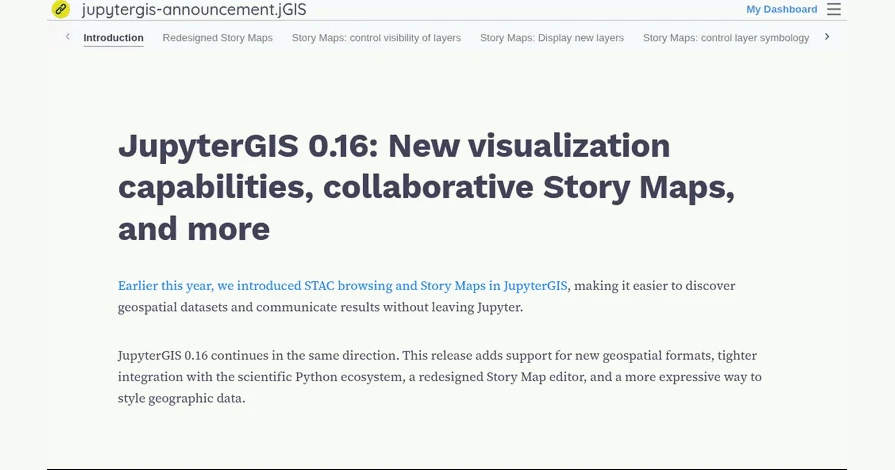
This release adds support for new geospatial formats, tighter integration with the scientific Python ecosystem, a redesigned Story Map editor, and a more expressive way to style geographic data.
Academic institutions can now offer Positron directly within their existing JupyterHub environments, giving students access to a modern, full-featured data science IDE without requiring local installation or additional infrastructure.
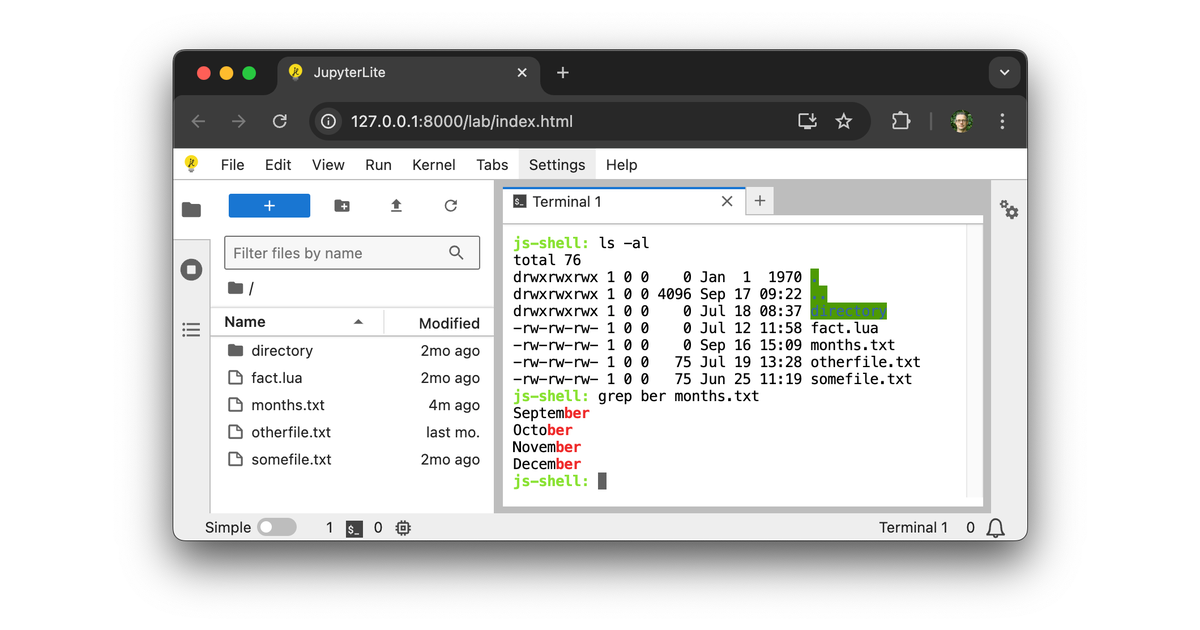
JupyterLite is a Jupyter distribution that runs entirely in the web browser without any server components. Deployment and hosting are easy as JupyterLite sites are just static websites.
From June 15th to 17th 2026 a Jupyter Workshop took place at Paris-Saclay University : “Demystifying MyST Markdown in education”. The workshop combined presentations in the mornings with collaborative sprints during the afternoons. It has been funded by the Jupyter Foundation and SaclAI-School.
The Jupyter Executive Council and Jupyter Foundation are pleased to announce a new Call for Proposals (CFP) for funding the Jupyter community to improve Jupyter. Visit the Jupyter Foundation Community Proposals webpage to learn more about the process and how to submit proposals.
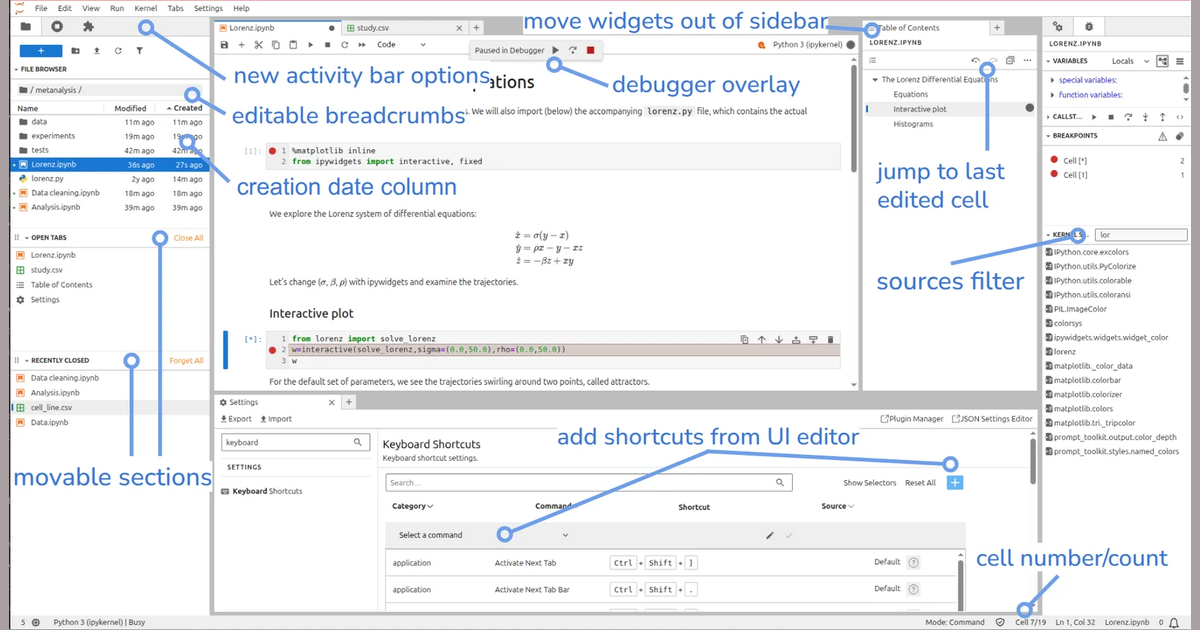
JupyterLab 4.6 features new interface customization options, improved file browser and debugger, an easy way to jump between recently edited cells, and numerous other notebook experience improvements. Keyboard shortcuts, navigation and accessibility is another focus area in this release.
We are proud to announce the recipients of the Jupyter Distinguished Contributor (JDC) award for the 2025 cohort of contributors.
We’re excited to announce the first stable release of jupyter-builder on PyPI and @jupyter/builder on npm. A standalone, configurable build system for JupyterLab and its extensions.
The Jupyter Foundation is excited to gather your feedback on the Jupyter user experience through a brief survey. If you had a magic wand, what would you change or add to Jupyter? Your insights are incredibly important as we continue to invest in making Jupyter better for everyone.
There are moments in life when things, simply, converge. You work and study, study and work, and then, simply, it happens. It starts one day when somebody tells you “there is this new thing called Jupyter Notebook, you should give it a try!”. So you install it, play around with it.
We’re excited to announce the release of the first version of the Jupyter ESLint plugin @jupyter/eslint-plugin, now available on npm. It’s a custom ESLint plugin designed specifically for the official Jupyter frontends (JupyterLab, Notebook, JupyterLite) and TypeScript extensions built around them.
We are excited to announce the 1.0 release of JupyterLab Plugin Playground, allowing you to seamlessly experiment with the creation of Jupyter Notebook and JupyterLab plugins to add any functionality you may desire.
The Jupyter Foundation is excited to announce that we have contracted with Jason Grout to be a part-time Jupyter Foundation Community Manager. The primary purpose of this role is to strengthen the Foundation and assist the Foundation and its members in providing value to Project Jupyter.
The rise of AI coding agents has transformed how we think about developer tools. Large language models like Claude, GPT, and others are remarkably effective at using command-line interfaces — they’ve been trained on billions of lines of CLI usage from documentation, Stack Overflow, and GitHub.
A new Jupyter Workshop is happening June 15–17, 2026 in Orsay, France. Demystifying MyST Markdown in Education is a three-day workshop organized by the Jupyter community, focused on helping science educators adopt Jupyter Book and the MyST document engine for their teaching materials.
The Jupyter Book project has content in a bunch of different repositories — user docs, a blog, a team compass, and project & community pages. We recently finished an initiative to serve each set of content at jupyterbook.org, while keeping the source files separated in their repositories.