JupyterGIS
Pioneering Web-based, Collaborative, and Open-source GIS Tools


Pioneering Web-based, Collaborative, and Open-source GIS Tools
JupyterLab 4.2.0 has been released! This new minor release of JupyterLab includes 3 new features, 20 enhancements, 33 bug fixes and 29 maintenance tasks. There were 39 contributors to this release including 10 new contributors to JupyterLab.
Jupyter is recognized as a “Champion of Open Science” by the United States White House Office of Science and Technology Policy, in celebration of 2023 being the Year of Open Science. For more information, see the White House press release.
I am happy to announce that Jupyter Docker Stacks project now provides GPU accelerated Docker images. This allows PyTorch or TensorFlow operations to use compatible NVIDIA GPUs for accelerated computation.
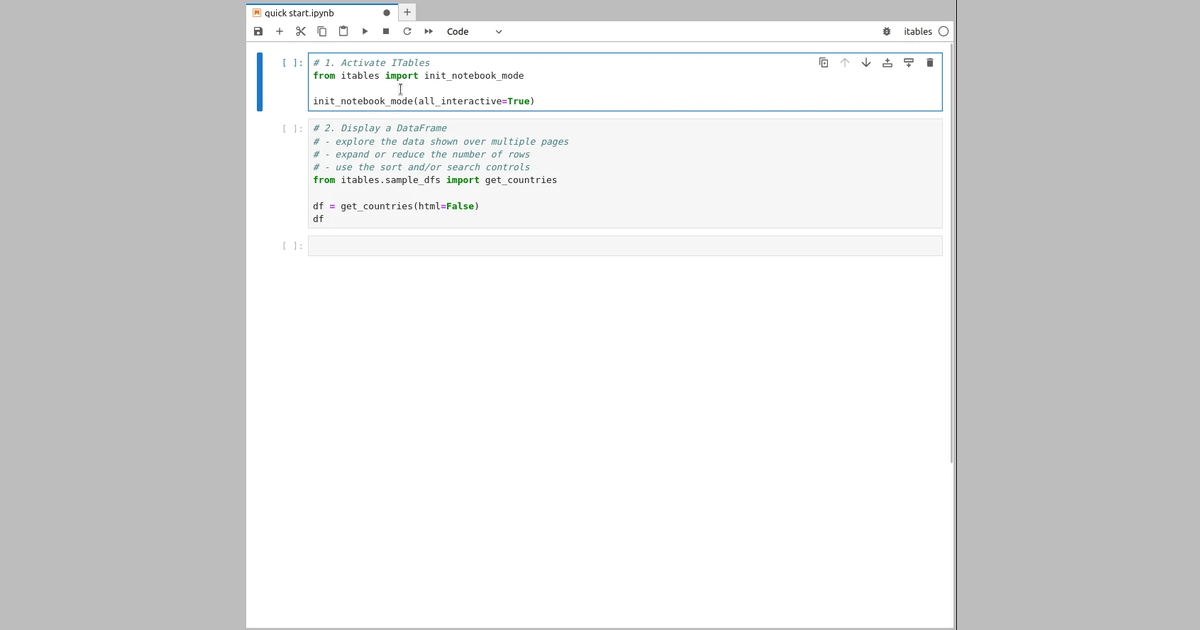
ITables, or Interactive Tables, is a MIT-licensed Python package that renders Python DataFrames using the DataTables JavaScript library. ITables 2.0, that I have just released, adds support for the DataTables Extensions. In this post we review the functionalities brought by this release.
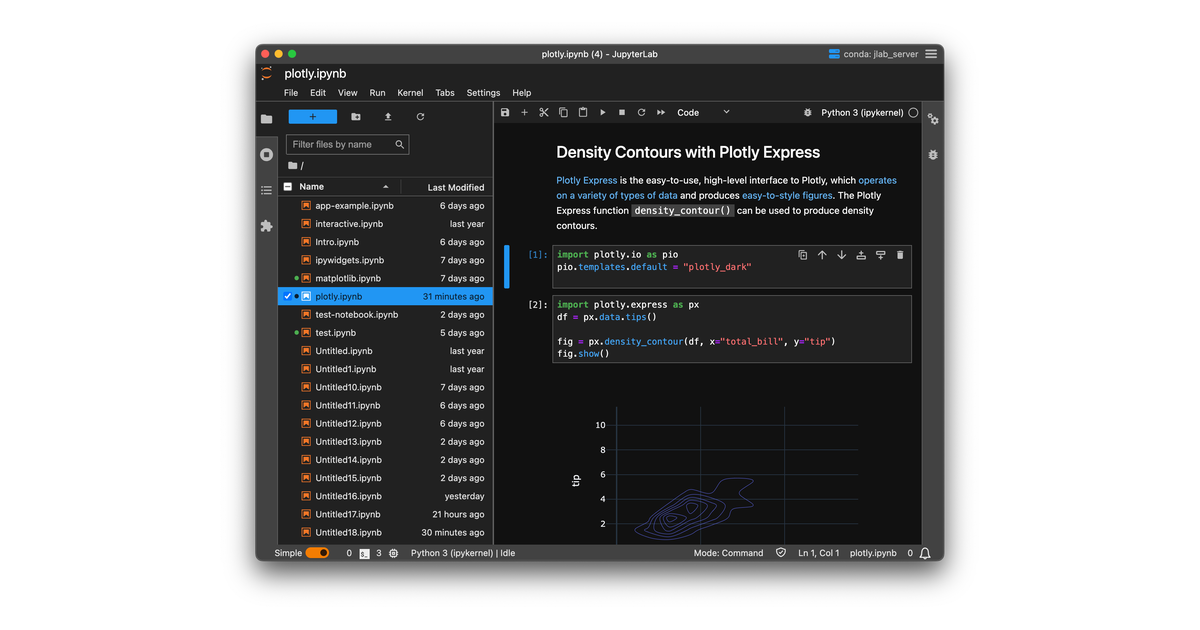
We are pleased to announce UI Mode features recently added to JupyterLab Desktop (JLD). JupyterLab Desktop now provides a convenient way to set the JupyterLab UI layout per project and introduces an new layout mode: “Zen Mode”.
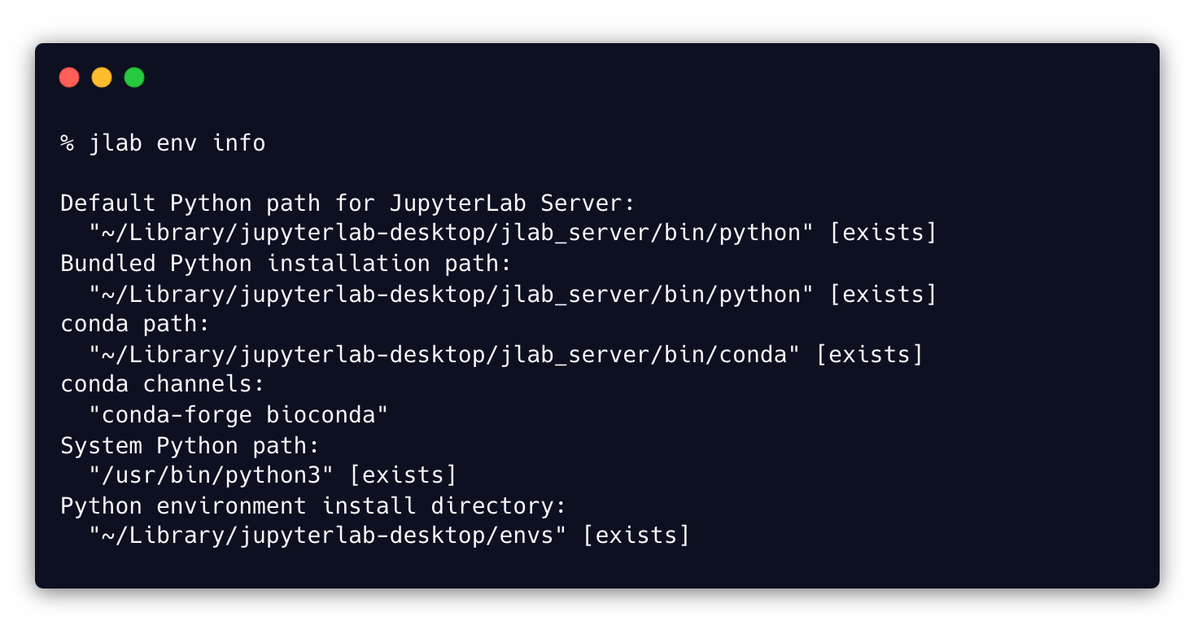
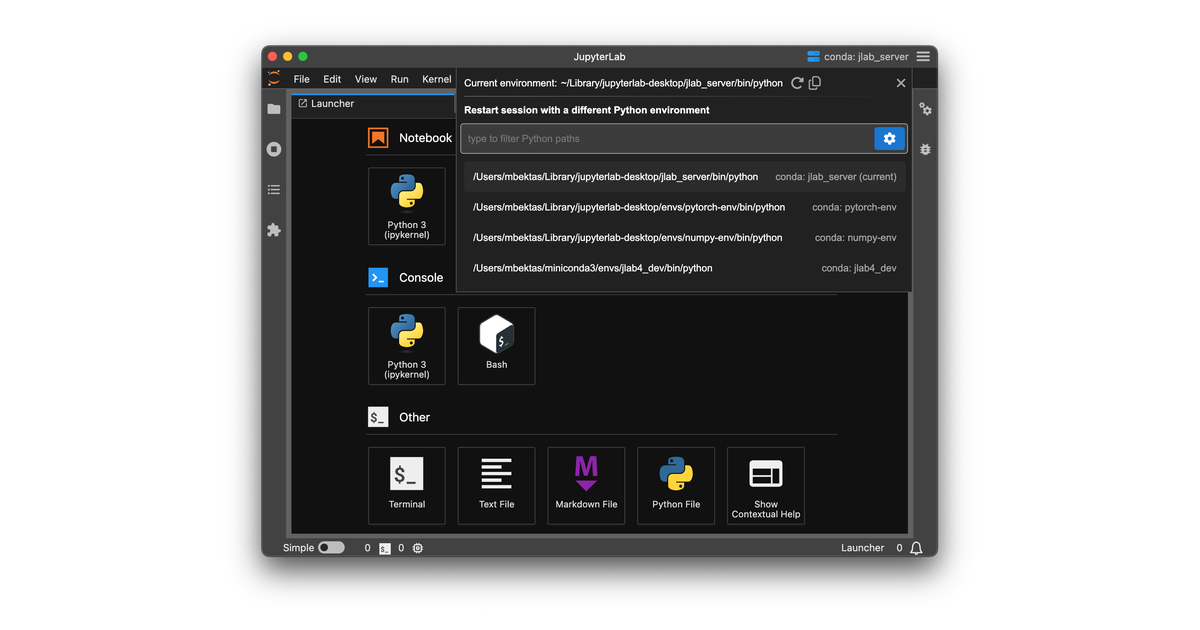
JupyterLab Desktop (JLD) CLI provides several commands and options to manage Python environments for use in the application. In my previous blog post I had covered using JLD UI to manage Python environments.
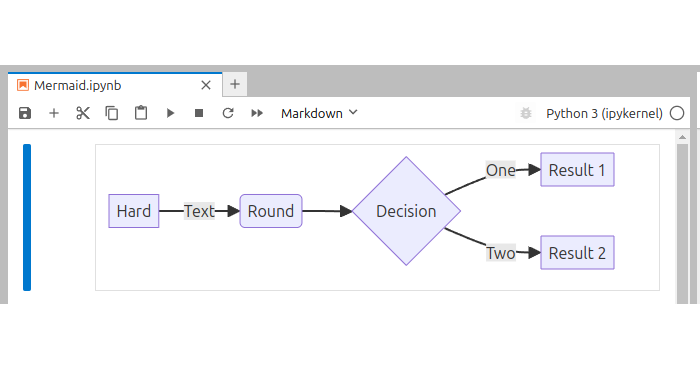
JupyterLab 4.1 and Notebook 7.1 are now available! These releases include several new features, bug fixes, and enhancements for extension developers. This release is compatible with extensions supporting JupyterLab 4.0 and Notebook 7.0.
Curvenote is now a part of the mybinder.org federation. By hosting a BinderHub instance running on the company’s infrastructure, additional capacity is available on the https://mybinder.org service.
We are pleased to announce Python environment management features recently added to JupyterLab Desktop (JLD). Now you can create new Python environments and manage existing ones on your system, right from JupyterLab Desktop UI.
The JupyterLab Council has agreed to an important change to JupyterLab’s version lifecycle. Each major version of JupyterLab will now receive updates until one year after the following major version’s first release.
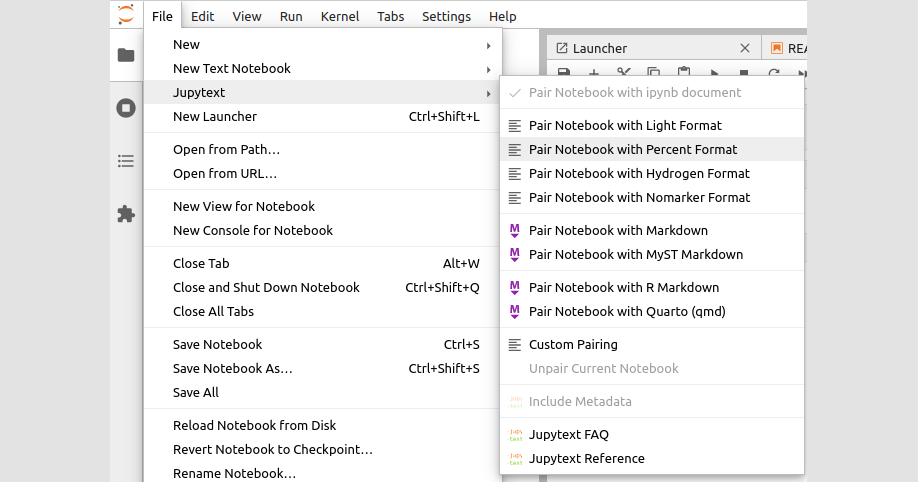
A few weeks back, jupytext==1.16.0 went out. That release included multiple amazing contributions by Mahendra Paipuri, this post will go over the new features, and thank Mahendra for his great work.
The Jupyter ecosystem provides a versatile and user-friendly platform for data analysis and scientific computing, it has democratised access to powerful tools for researchers, scientists, educators, and data professionals.
We are excited to announce the formation of the Jupyter Media Strategy working group (JMS)!
Towards a more accessible Jupyter Notebook
We want to see all the cool things you’re doing with Jupyter, so we’re holding an open call with the community for people to chat, and share their creations and work. Think of it as a “virtual JupyterCon”: It’s a place to announce and share fun things happening in the Jupyter community.
Scaling Jupyter dashboards up to the millions.
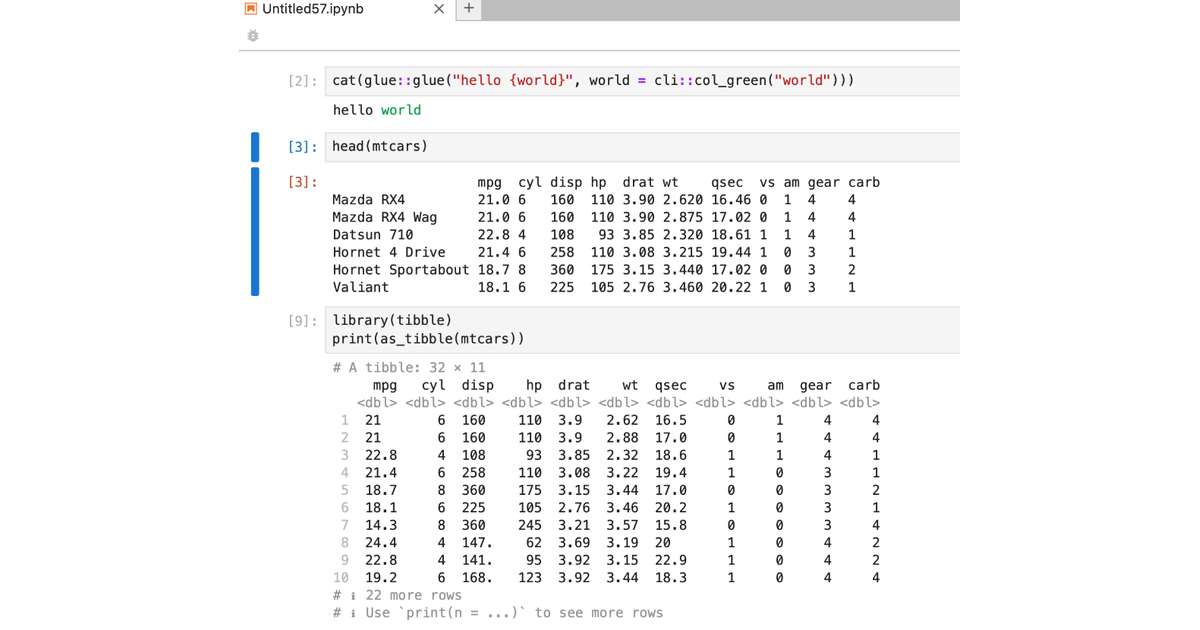
Kernels are a simple but powerful abstraction in the Jupyter architecture. They encapsulate language interpreters and make them accessible through a standardized interface. This is the key to Jupyter’s remarkable versatility, with over 100 supported languages.
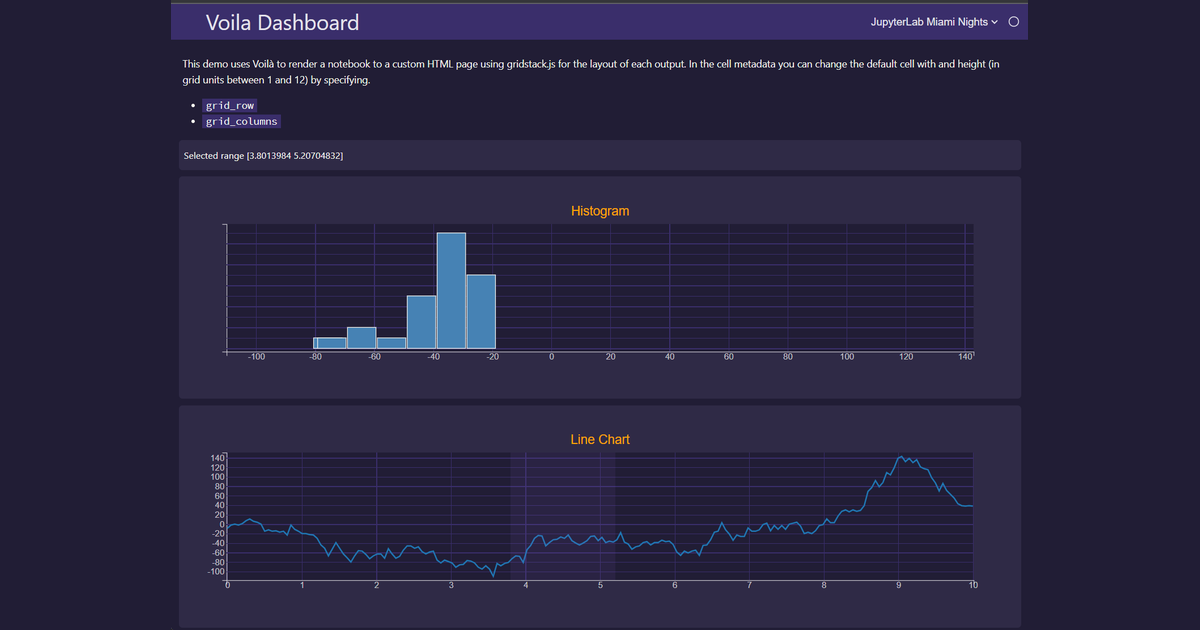
Voilà turns Jupyter notebooks into standalone web applications and dashboards. It provides a simple way for Jupyter users to share their work. For a detailed introduction to Jupyter’s Voilà subproject, you can check out this earlier blog post.
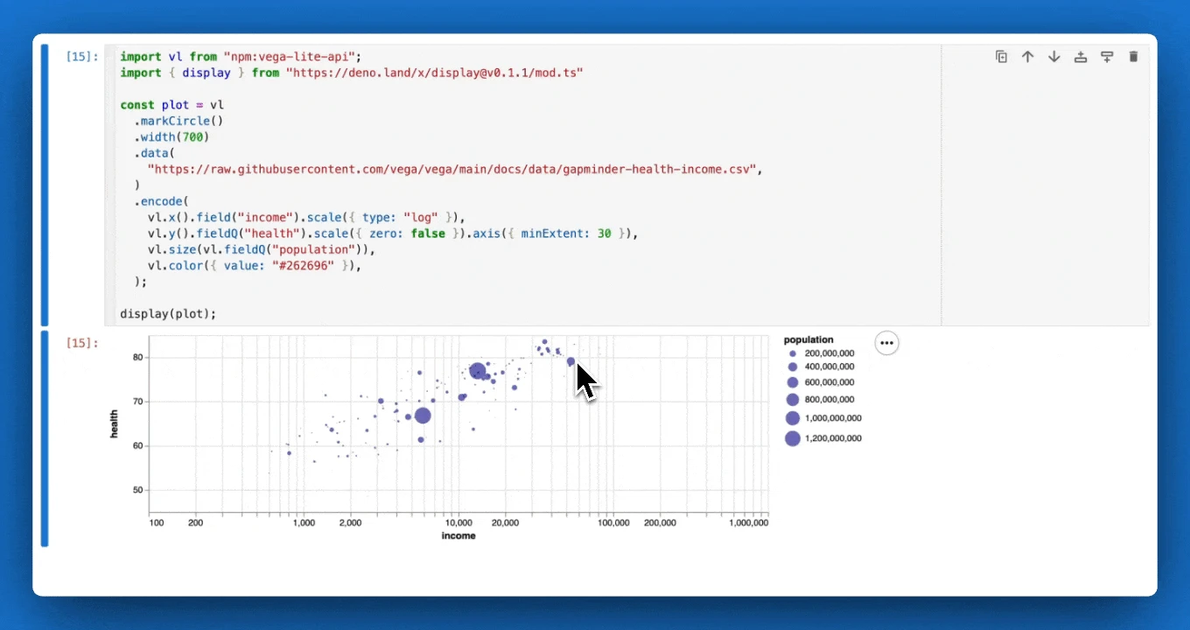
The Deno kernel is the freshest runtime for Jupyter
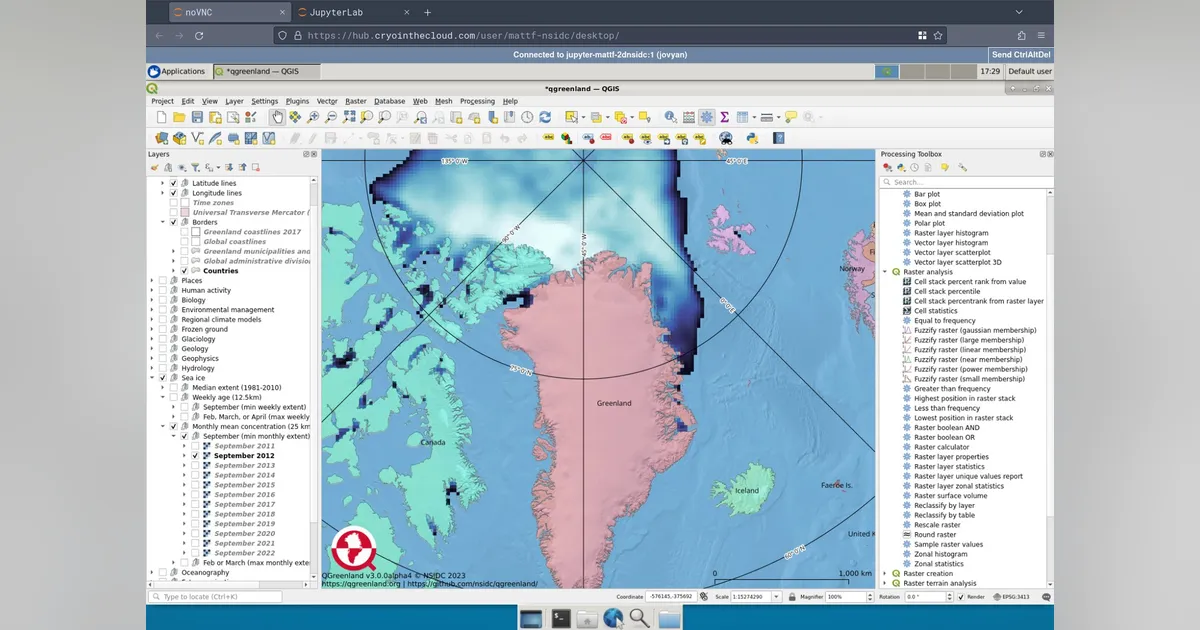
A QGreenland workshop success story
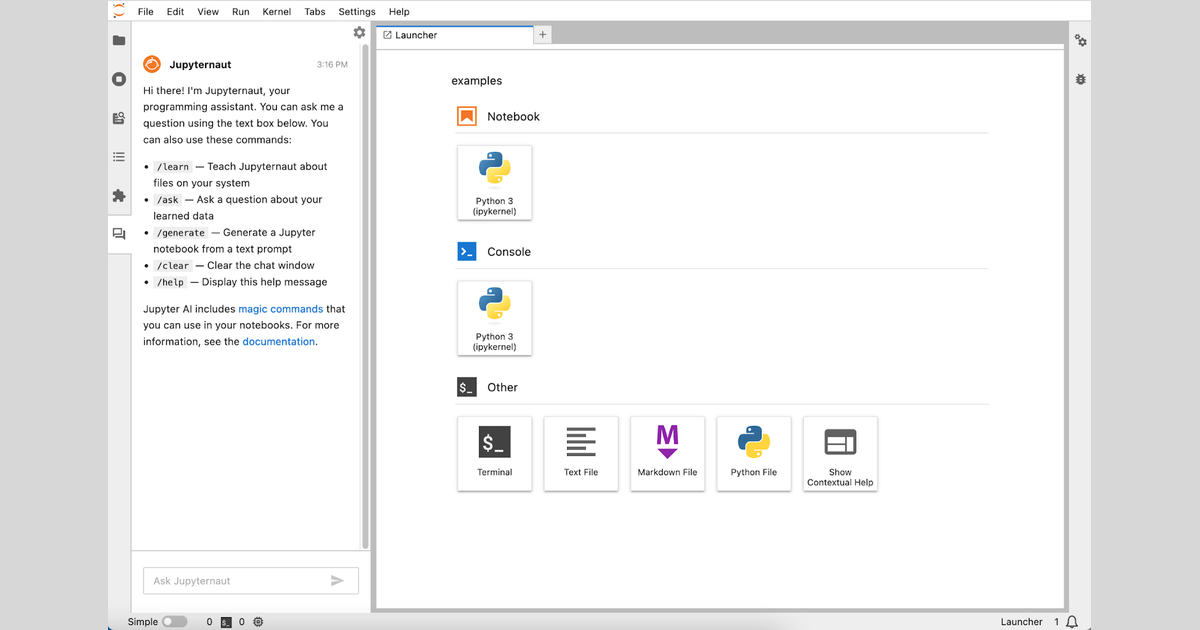
Jupyter AI, a new open source project, brings generative artificial intelligence to notebooks with magic commands and a chat interface.
Three Jupyter Subprojects – Jupyter Server, JupyterLab, and JupyterHub –are participating in a bug bounty program sponsored by the European Commission and hosted on the Intigriti platform.
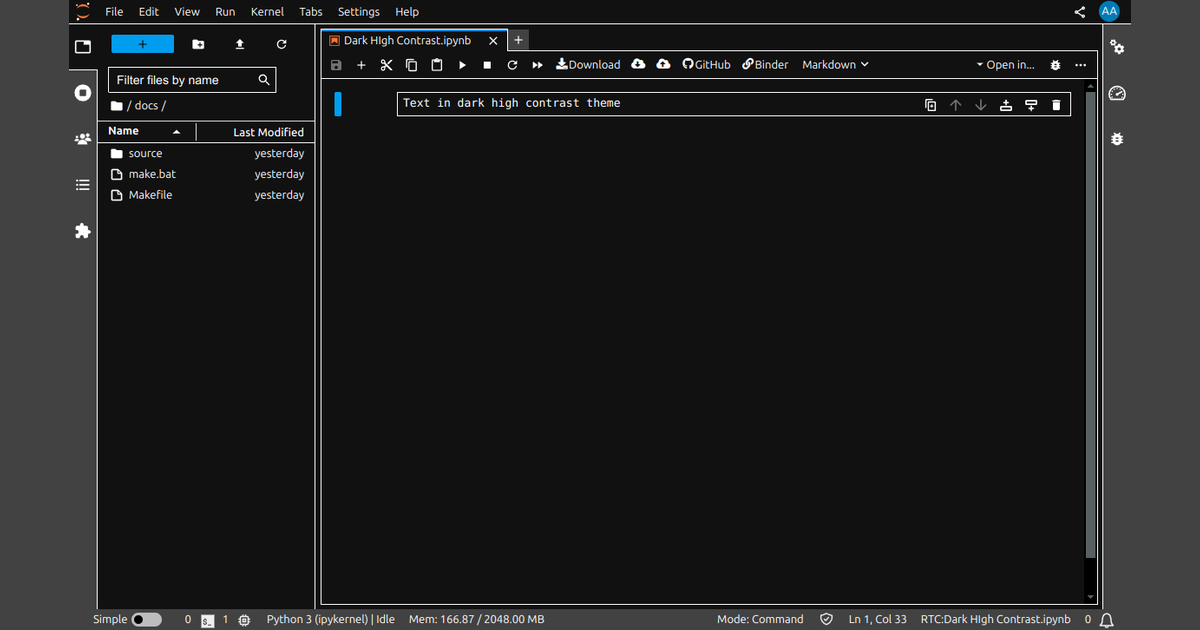
Jupyter Notebook 7 is the most significant release of the Jupyter Notebook in years. Some highlights of this release include real-time collaboration, interactive debugging, table of contents, theming and dark mode, internationalization, improved accessibility, compact view on mobile devices.