JupyterLite 0.6.0 is released! 🎉
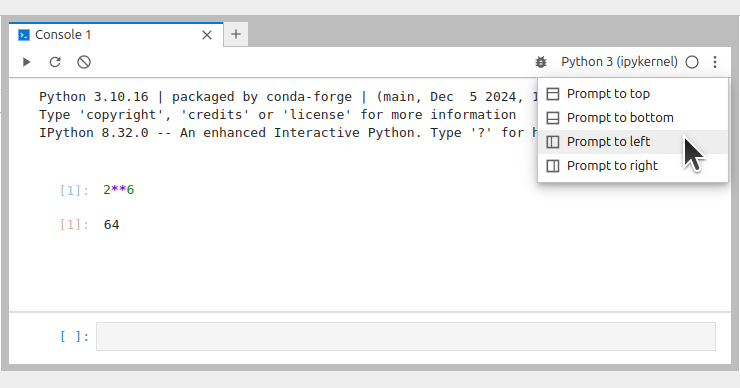
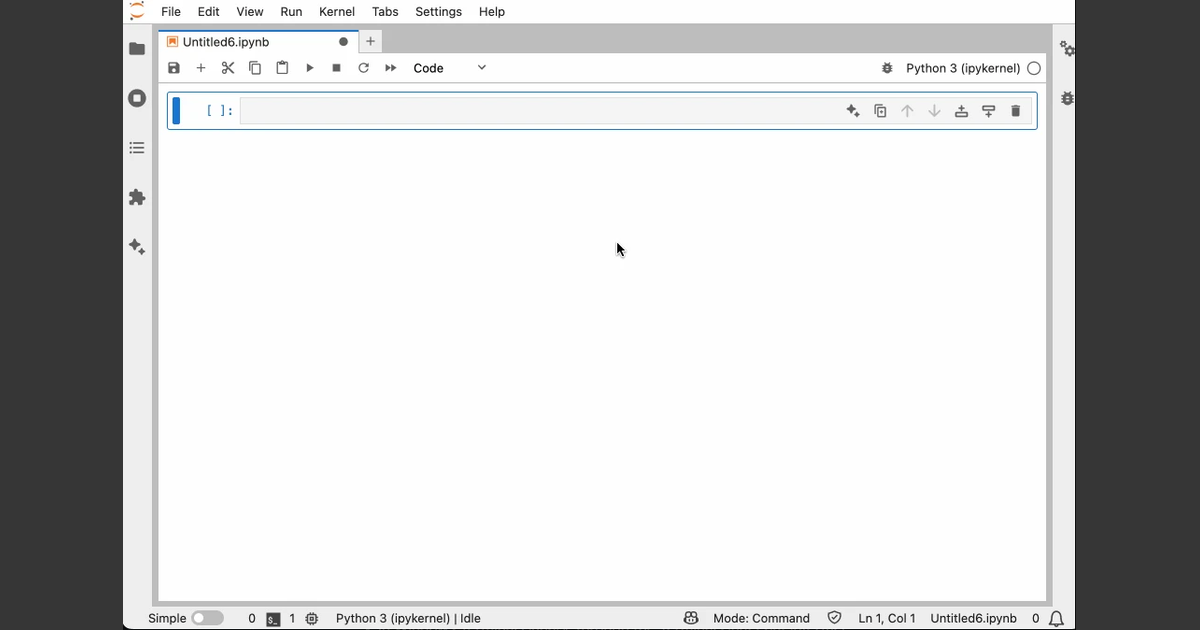
JupyterLite 0.6.0 includes a number of new features, bug fixes, and enhancements and significant improvements to the user interface.


JupyterLite 0.6.0 includes a number of new features, bug fixes, and enhancements and significant improvements to the user interface.
Hey Jovyans, we want to learn about the great things you’re doing with Jupyter! The Diversity, Equity, and Inclusion (DEI) standing committee is holding an open call with the community for people to discuss and share their work.
JupyterLab 4.4 has been released! This new minor release of JupyterLab includes 28 new features and enhancements, 76 bug fixes, 63 maintenance tasks and 34 documentation improvements. There were 56 contributors to this release.
We are proud to announce the recipients of the Jupyter Distinguished Contributor (JDC) award for the 2024 cohort of contributors.
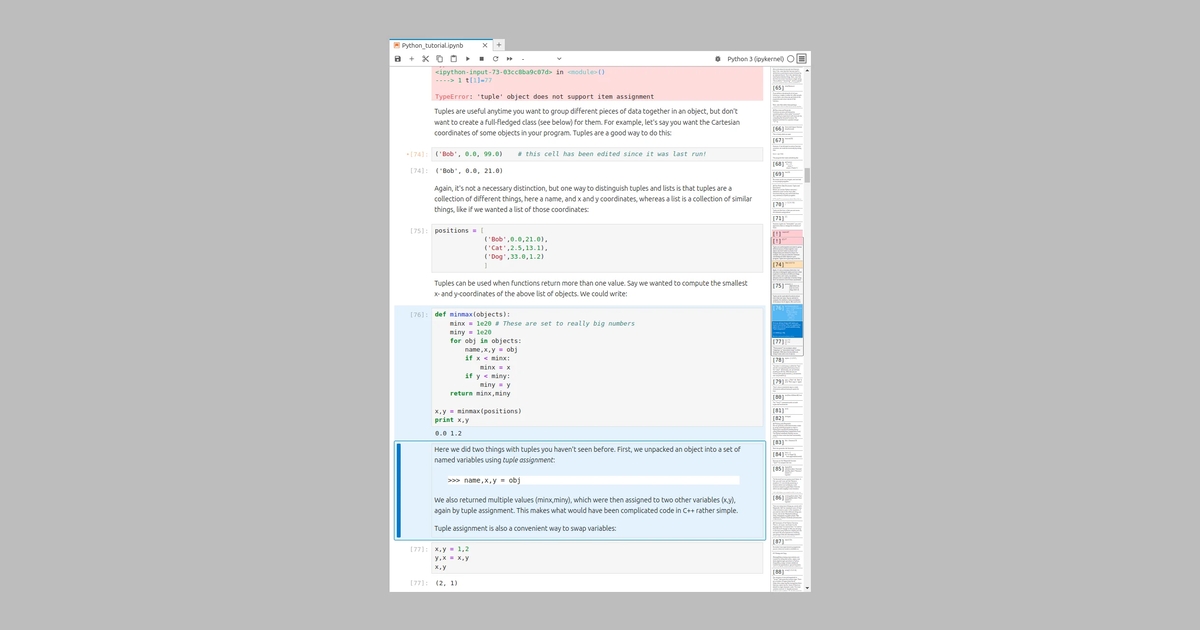
Jupyter notebooks are the de facto standard for interactive computing and data analysis, combining code, prose, and visualizations in a single document.
The Call for Proposals for JupyterCon 2025 is officially open!
Project Jupyter recently completed its 2025 Executive Council (EC) election, marking an important transition in its leadership.
The Binder Project allows users to build reproducible, sharable environments for interactive computing. To accomplish this, Binder uses a tool called repo2docker to generate an executable Docker image using the Reproducible Execution Environment Specification.
R is now available in emscripten-forge, enabling the Xeus-R kernel in JupyterLite.
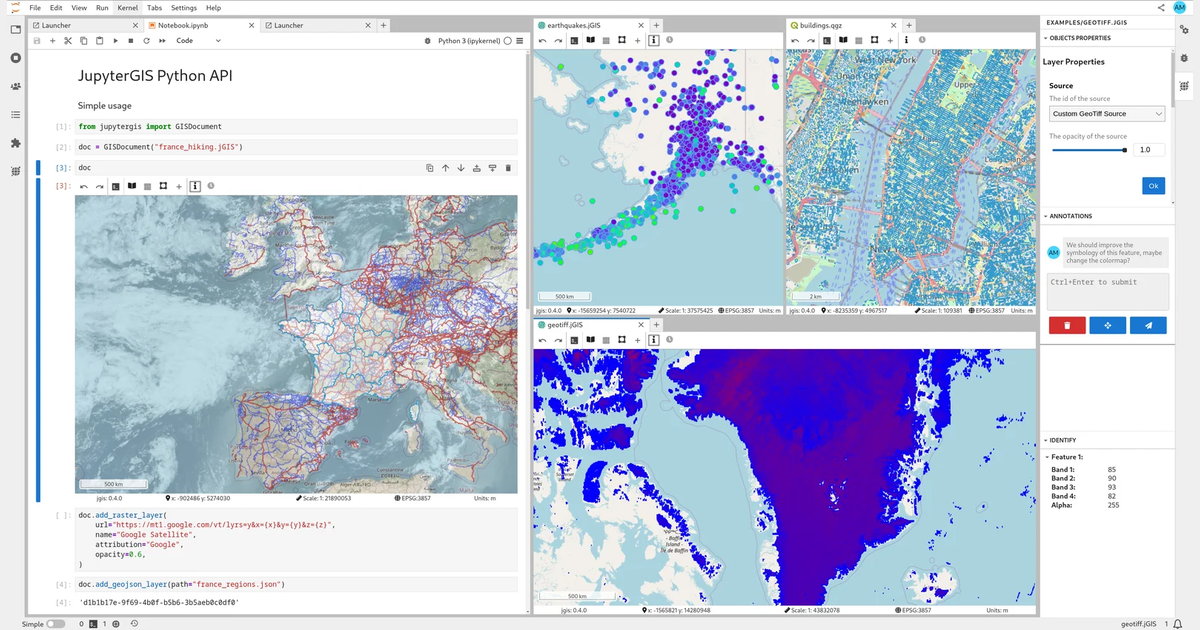
The QGIS open-source project is a cornerstone in the geosciences ecosystem, providing robust tools for spatial data analysis and visualisation.
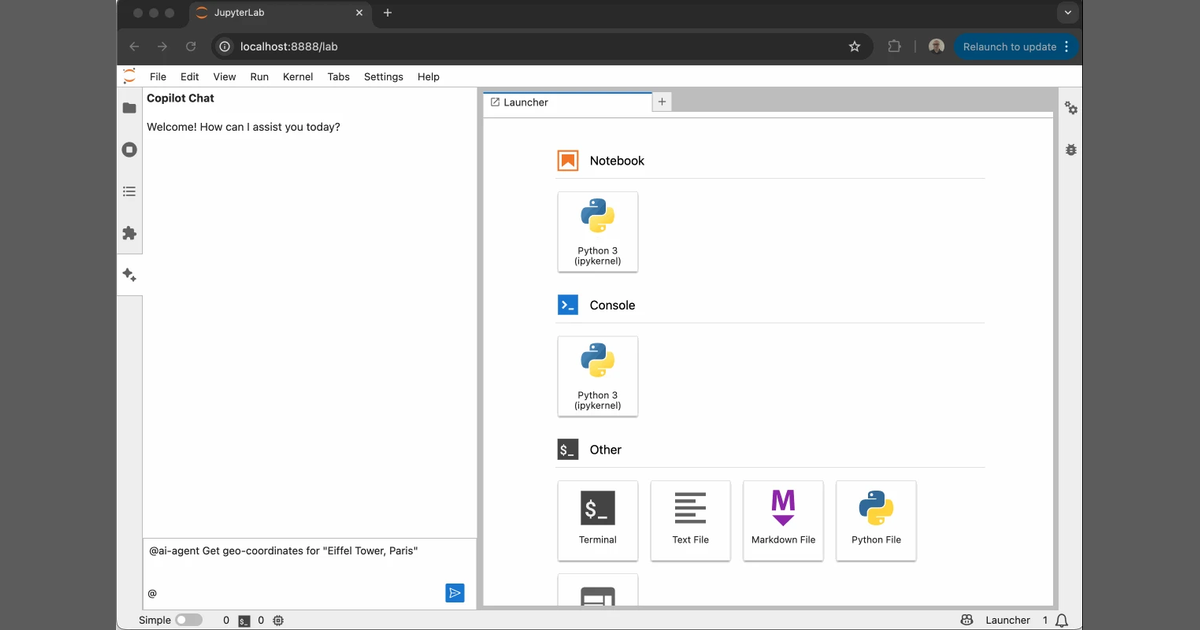
It is now possible to build AI Agents for JupyterLab and access from Copilot Chat UI, using Notebook Intelligence!
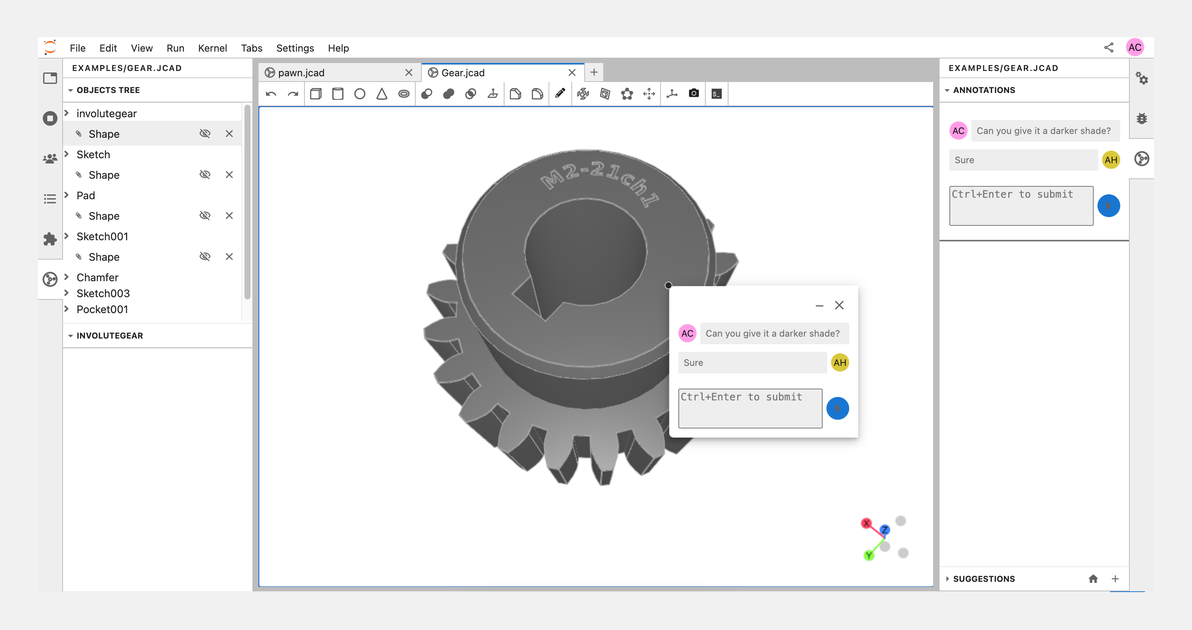
The latest iteration of the web-based collaborative CAD editor
The JupyterHub team have just moved all their chat to a Zulip channel!
Hey Jovyans, we want to see the great things you’re doing with Jupyter! The Diversity, Equity, and Inclusion (DEI) standing committee is holding an open call with the community for people to discuss and share their work.
I am thrilled to announce the release of Notebook Intelligence (NBI)! NBI is an AI coding assistant and extensible AI framework for JupyterLab.
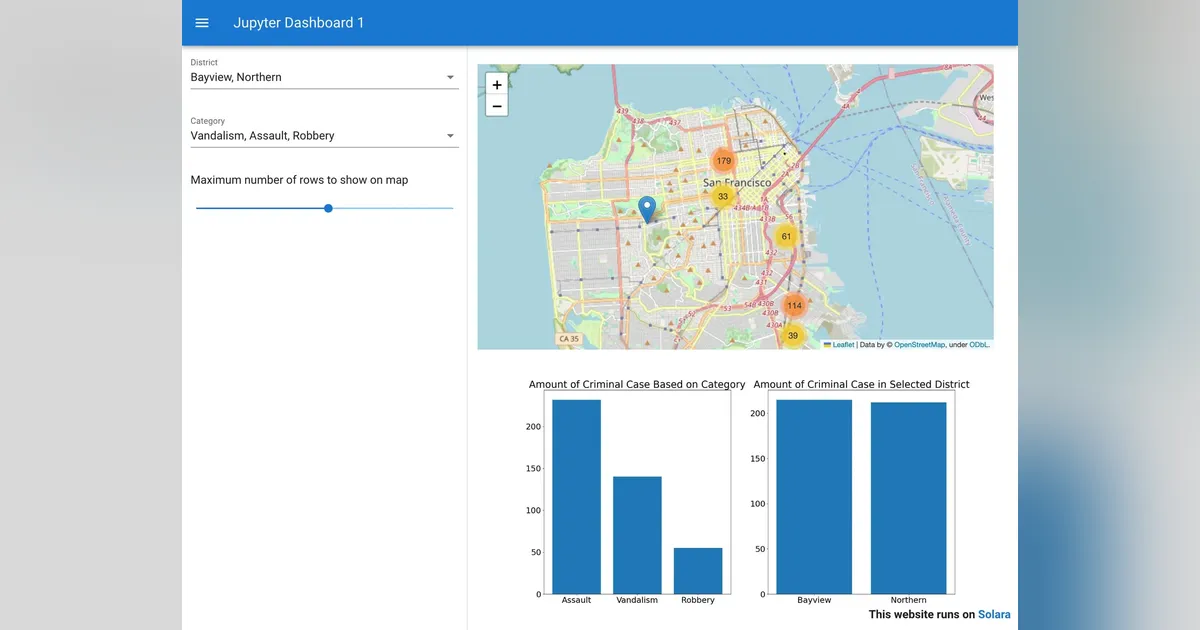
Welcome to the first part of a series of articles showing you how to create a dashboard in Jupyter and deploy it as a standalone web app. Importantly, you won’t need to rewrite your app in a different framework for deployment. We will use a pure Python solution with no JavaScript or CSS required.
JupyterLab 4.3.0 has been released! This new minor release of JupyterLab includes 1 new feature, 42 enhancements, 62 bug fixes, 48 maintenance tasks and 35 documentation improvements. There were 38 contributors to this release including 18 new contributors to JupyterLab.
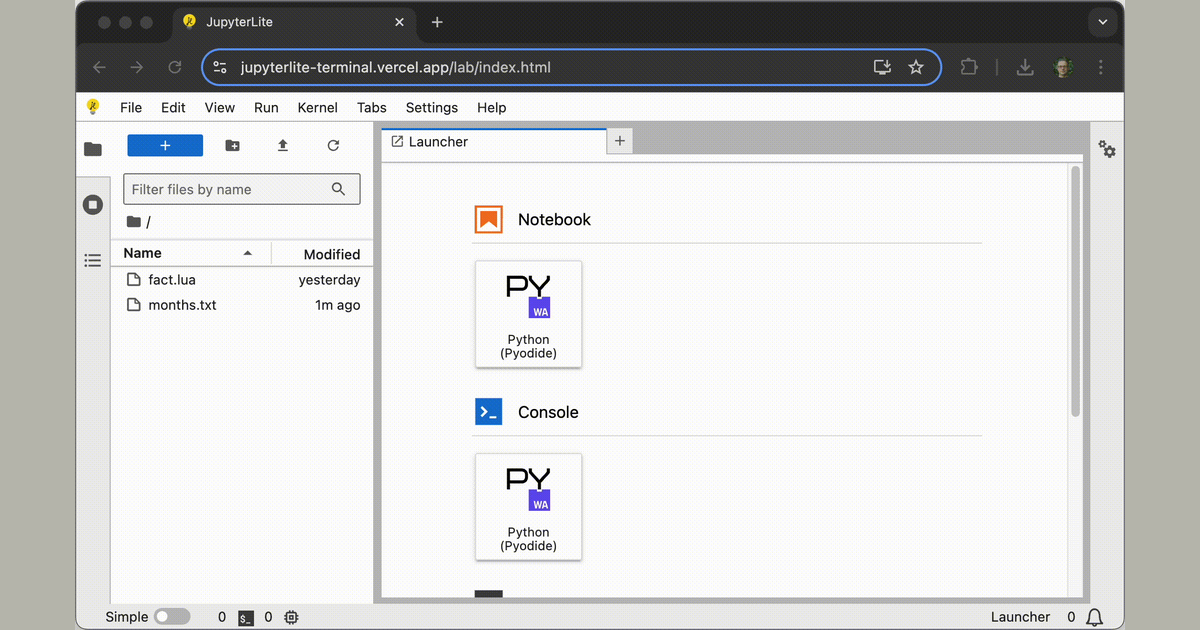
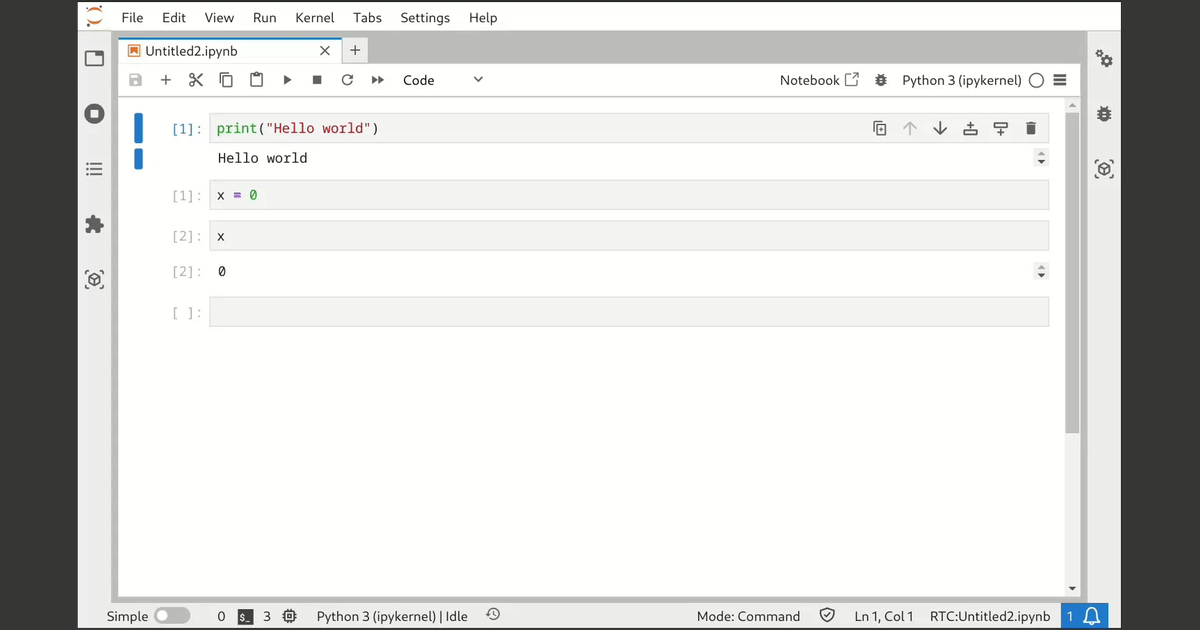
JupyterLite is an unofficial Jupyter distribution that runs entirely in the web browser without any server components. Deployment and hosting are easy as JupyterLite sites are just static websites.
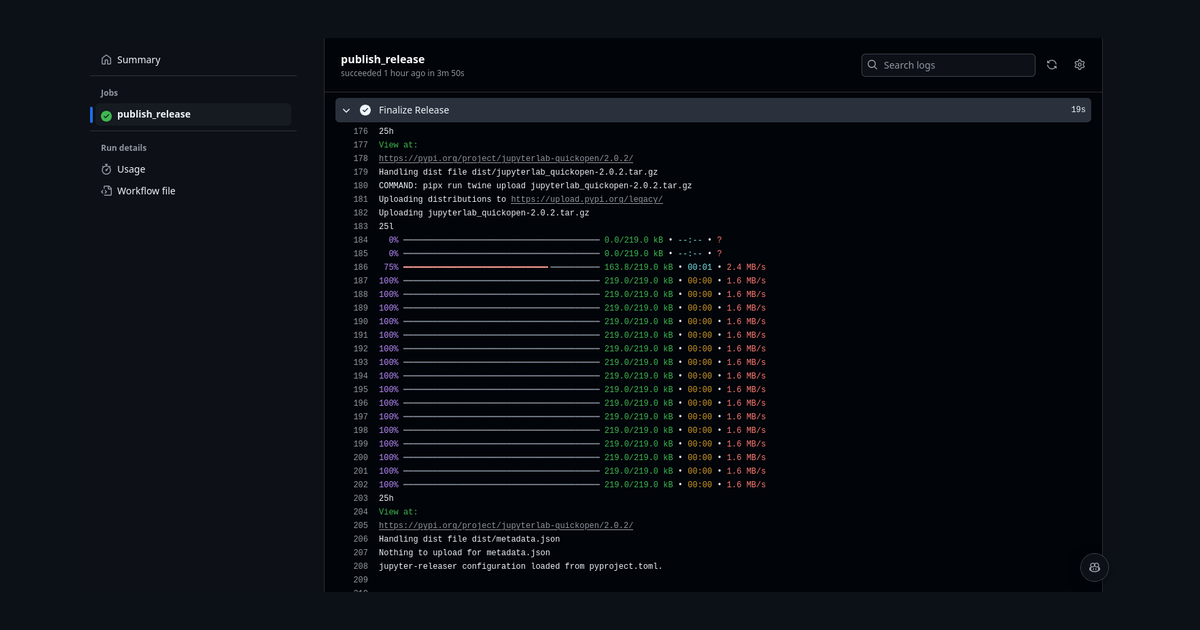
Jupyter Releaser is a tool developed by the Jupyter team to streamline and standardize the release process across Jupyter projects.
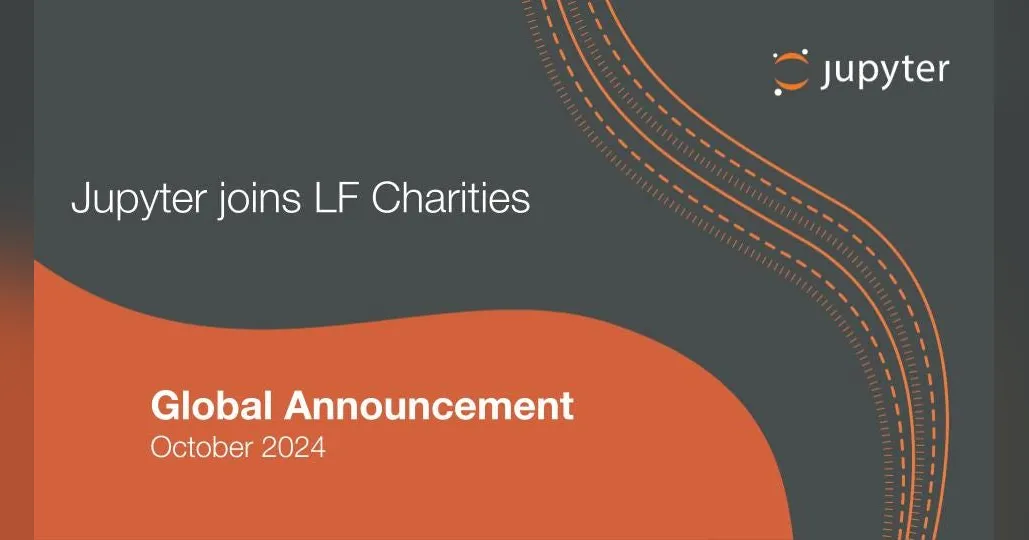
We are excited to announce that Project Jupyter is entering a new phase in our journey: we are joining LF Charities, a 501(c)(3) non-profit under the Linux Foundation. See the official press release from Linux Foundation and the blog post from NumFOCUS.
Hey, Jupyter community! We want to see the cool things you’re doing with Jupyter, so the Diversity, Equity, and Inclusion (DEI) standing committee is holding an open call with the community for people to share and chat about their work.
Introducing a document timeline component for JupyterLab
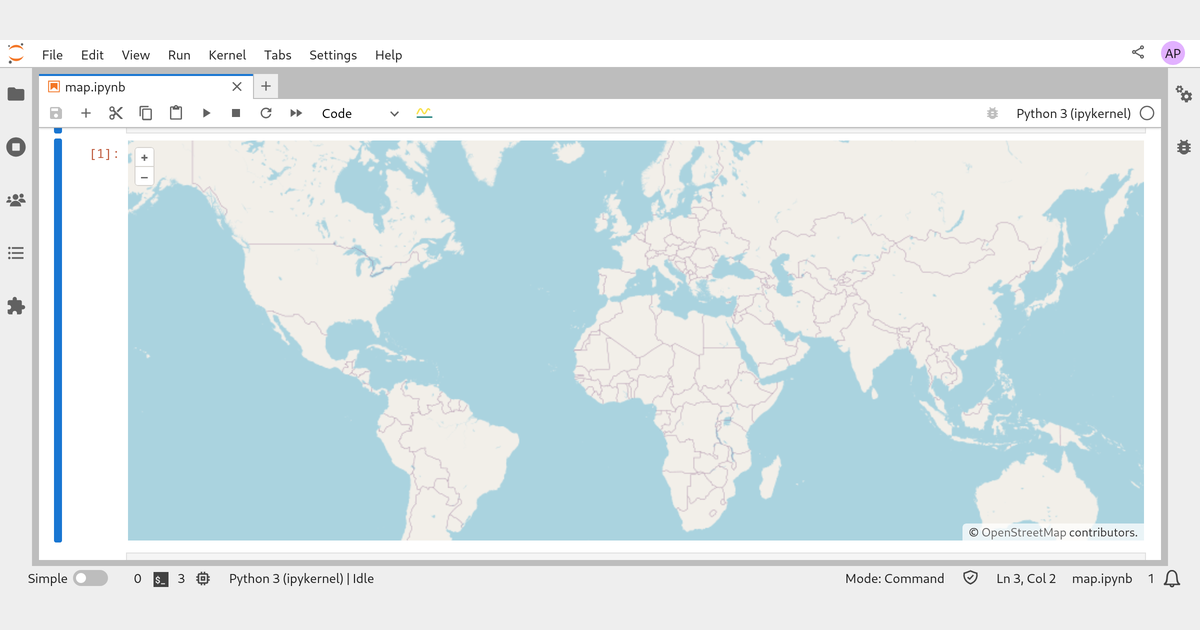
Bringing the Power of OpenLayers to Jupyter.
We are delighted to announce the recipients of the Jupyter Distinguished Contributor (JDC) award for the 2023 cohort.