Better sharing UX with nbgitpuller and contextual error handling
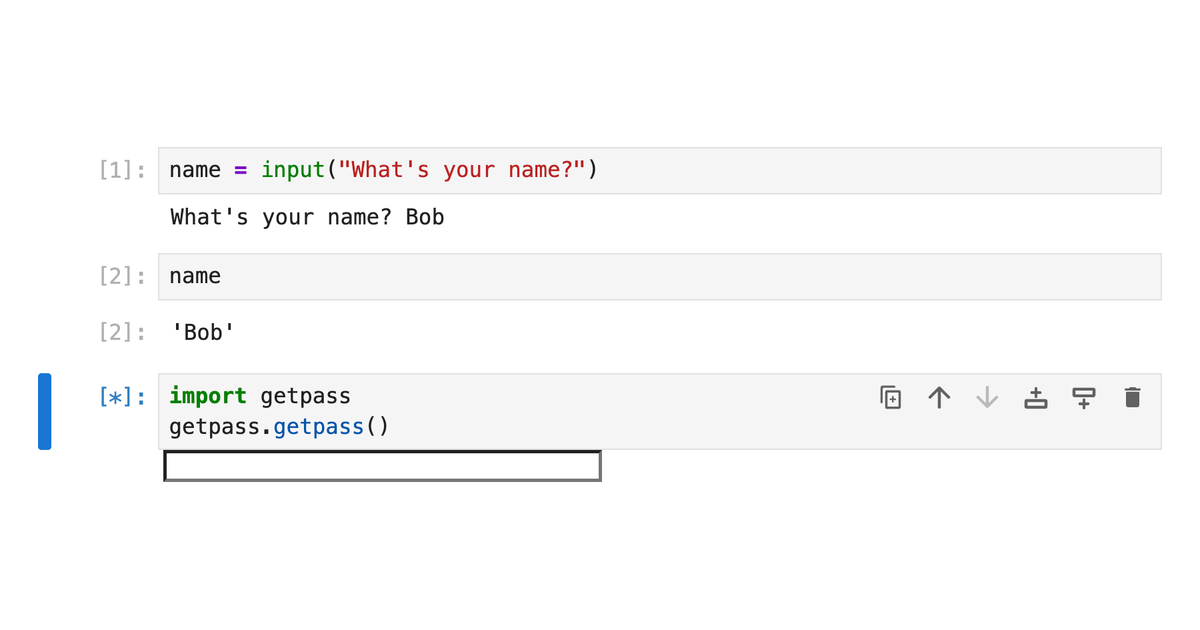
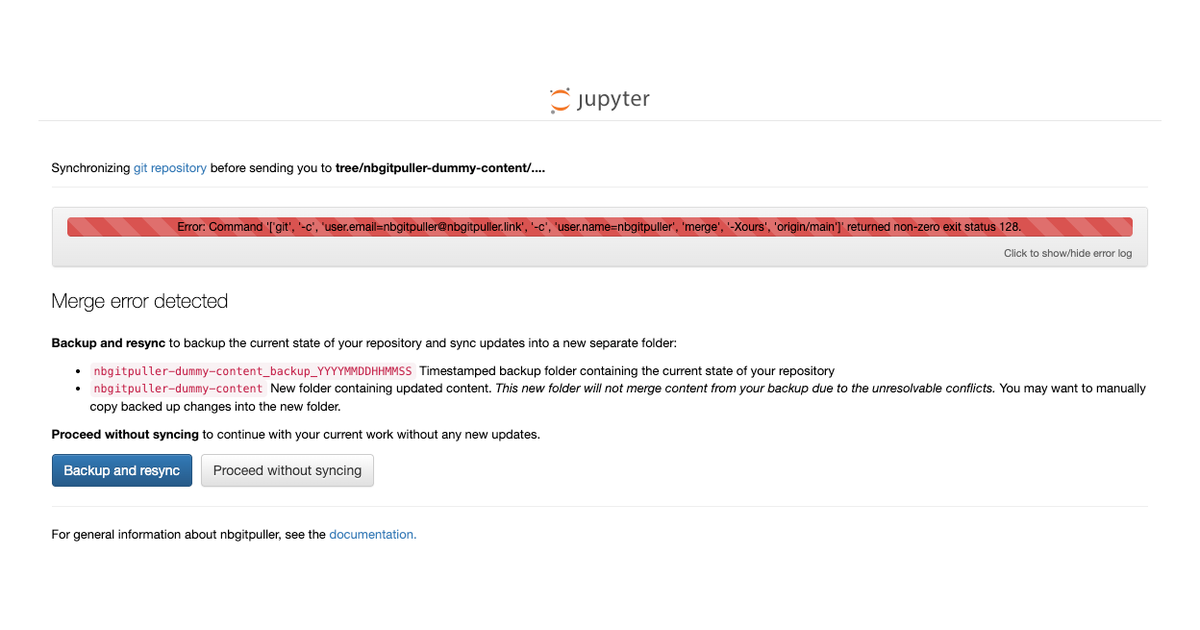
nbgitpuller now has improved UX context-aware error handling. Update to version 1.3.0 and let us know what you think by opening an issue 🚀


nbgitpuller now has improved UX context-aware error handling. Update to version 1.3.0 and let us know what you think by opening an issue 🚀
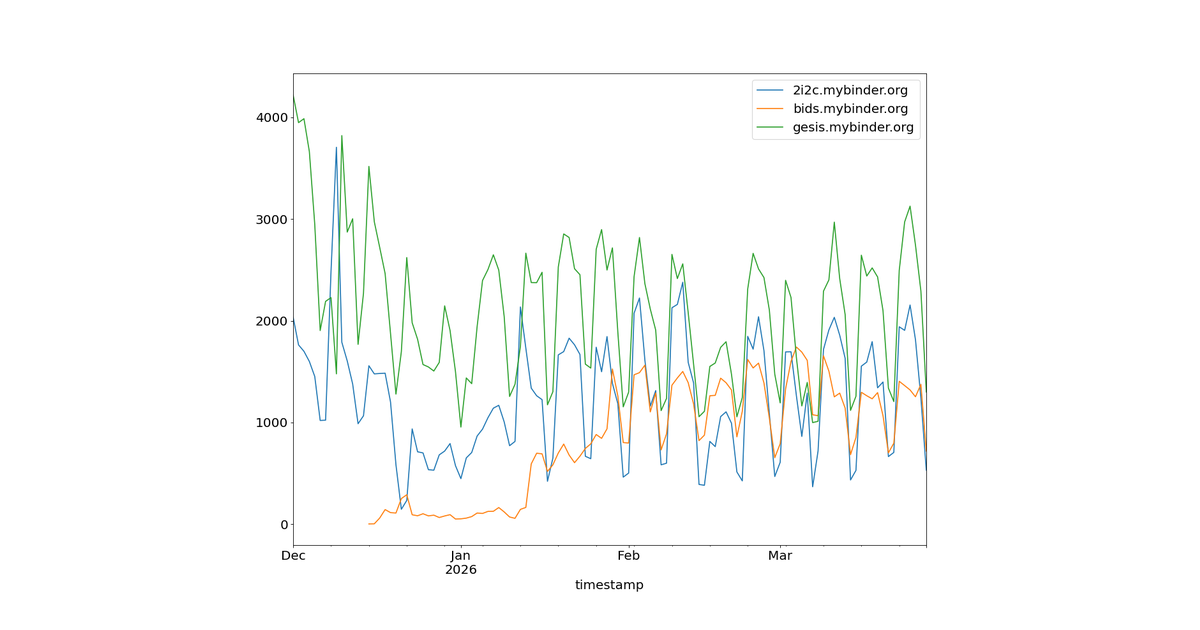
The Berkeley Institute for Data Science (BIDS) is the birthplace of the current iteration of mybinder.org, all the way back in 2017. In 2026, they are back as a member of the federation, joining 2i2c and GESIS in contributing to the cloud costs of keeping mybinder.org running!
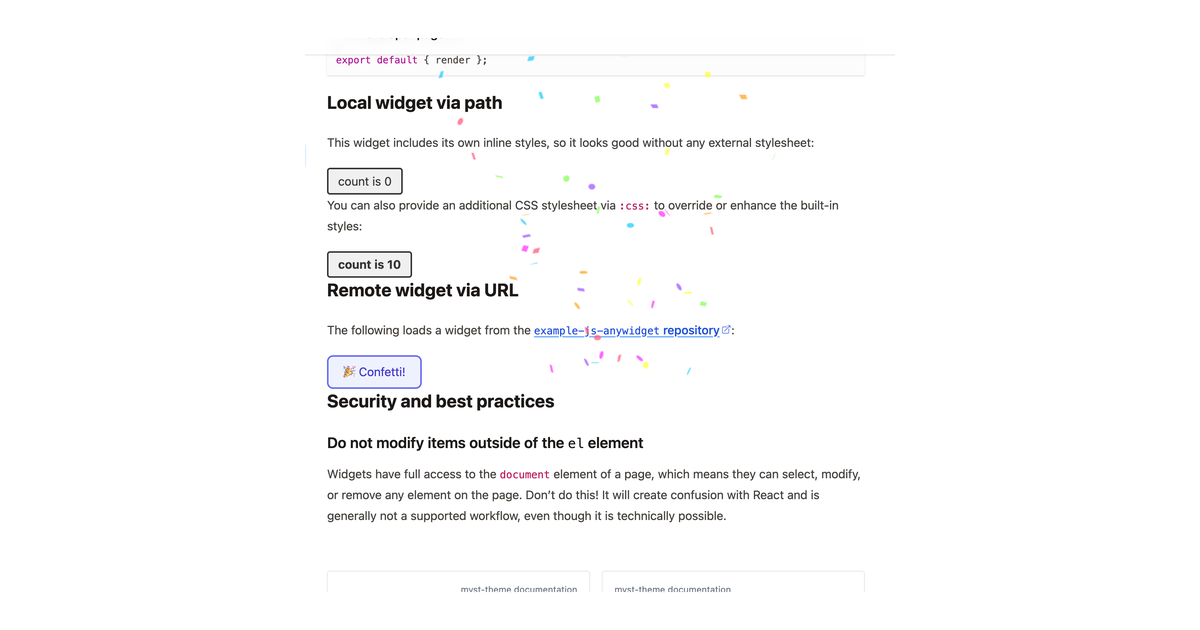
The Jupyter Book team just released mystmd 1.8.2 and a new version of the MyST react theme! Below are a few things that stand out.
This is a critical moment for open source software. AI enables new contributors in new ways, but maintainers are also faced with an unprecedented volume of contributions and security reports. This speed also puts pressure on maintainers and the processes that keep projects secure and reliable.
The JupyterLab extension ecosystem just crossed 700 extensions compatible with JupyterLab 4!
The JupyterHub and Jupyter Book communities are hiring a community manager.
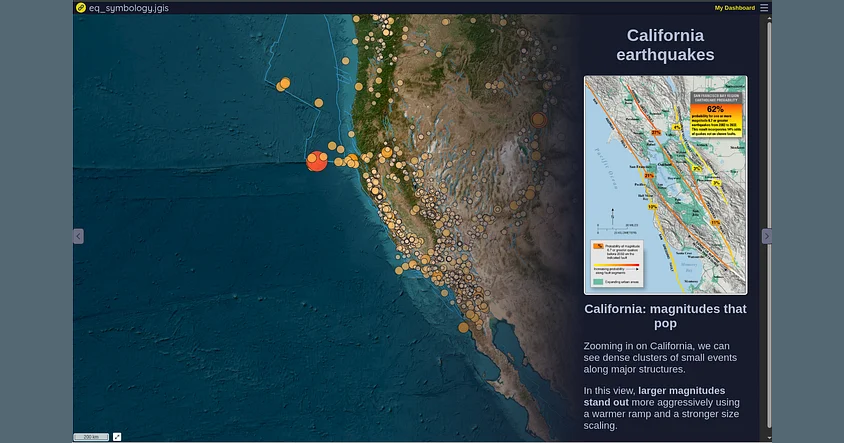
Since its initial announcement less than two years ago, JupyterGIS has been a growing effort to bring interactive geospatial workflows into the Jupyter ecosystem.
Hey Jovyans, we’d love for you to join us on our next community call! We want to learn all about the great things you’re doing with Jupyter. The Community Building working group is holding an open call with the community, for people to discuss and share their work.
We are thrilled to announce that JupyterLite is now an official part of Project Jupyter. This milestone marks a significant step forward for interactive computing in the browser and strengthens JupyterLite’s role within the Jupyter ecosystem.
In February, the mybinder.org service will start tracking the “origin” of requests that launch a Binder session. The website that created a request to mybinder.org will be visible in the Binder analytics archive.
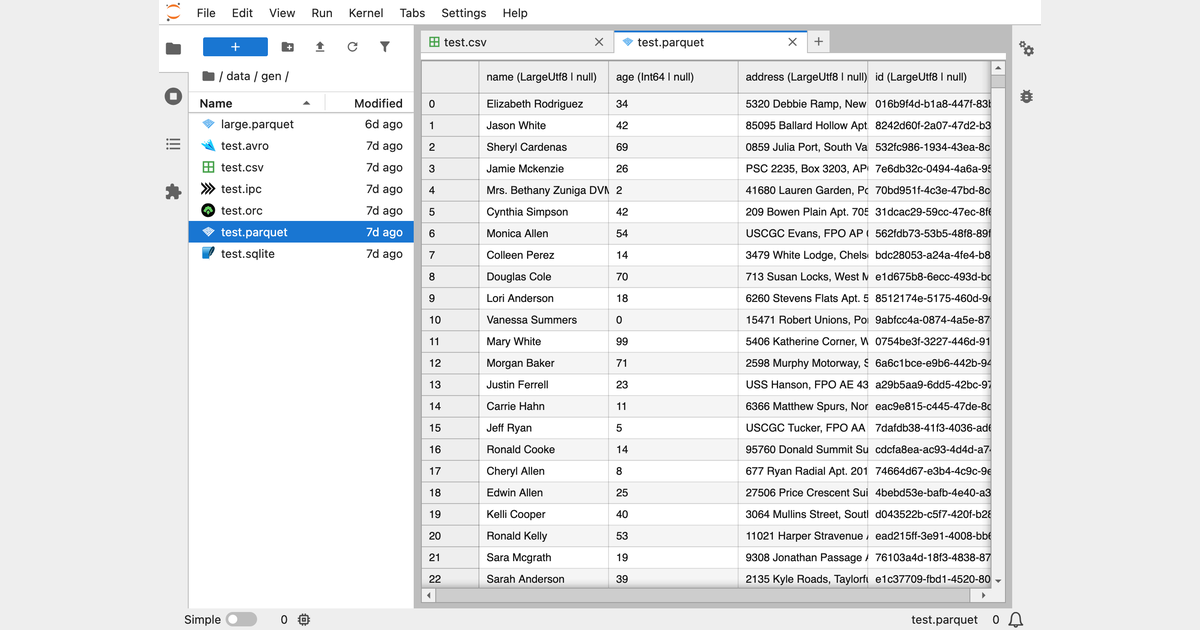
A colleague sends you a SQLite file, a Parquet dataset, or an Avro snapshot. You need to explore the content, but you’re not sure what’s inside or even how to open it. You shouldn’t have to write code, craft SQL queries, or recall the syntax for read_parquet in a Python library.
JupyterLite is a Jupyter distribution that runs entirely in the web browser without any server components. Deployment and hosting are easy as JupyterLite sites are just static websites.
JupyterLab 4.5 has been released! This new minor release of JupyterLab includes 51 new features and enhancements, 81 bug fixes, 44 maintenance tasks and 38 documentation improvements. There were 51 contributors to this release.
The Jupyter Community Building Working Group is happy to announce the Jupyter Community Workshops selected for funding in early 2026. The dates, venues, participants, and specific agenda for each workshop are being finalized in the near future, so stay tuned for more details.
When I helped start 2i2c.org, one of my goals for the non-profit was to experiment with new and different ways of supporting the Jupyter ecosystem’s long term health.
We want to learn all about the great things you’re doing with Jupyter. The Community Building working group is holding an open call with the community, for people to discuss and share their work.
We are thrilled to announce the results of our first round of Jupyter Community Funding proposals. This is the first funding call from the Jupyter Foundation to directly solicit proposals from the Jupyter community.
We are thrilled to announce the newest member of our JupyterLite kernel ecosystem: Xeus-Octave. Xeus-Octave allows you to run GNU Octave code directly on your browser. GNU Octave is a free and open-source Scientific Programming Language that can be used to run Matlab scripts.
The Jupyter Executive Council and Jupyter Foundation are pleased to announce a call for proposals for the Jupyter community. Visit the Jupyter Foundation Community Proposals webpage to learn more about the process and how to submit proposals.
The Jupyter Community Building Working Group is pleased to announce that the next call for proposals for Jupyter Community Workshops is now open through Sunday, September 14 (deadline extension!) for events from October 2025 through February 2026!
Hey Jovyans, we want to learn about the great things you’re doing with Jupyter! The Community Building working group is holding an open call with the community for people to discuss and share their work.
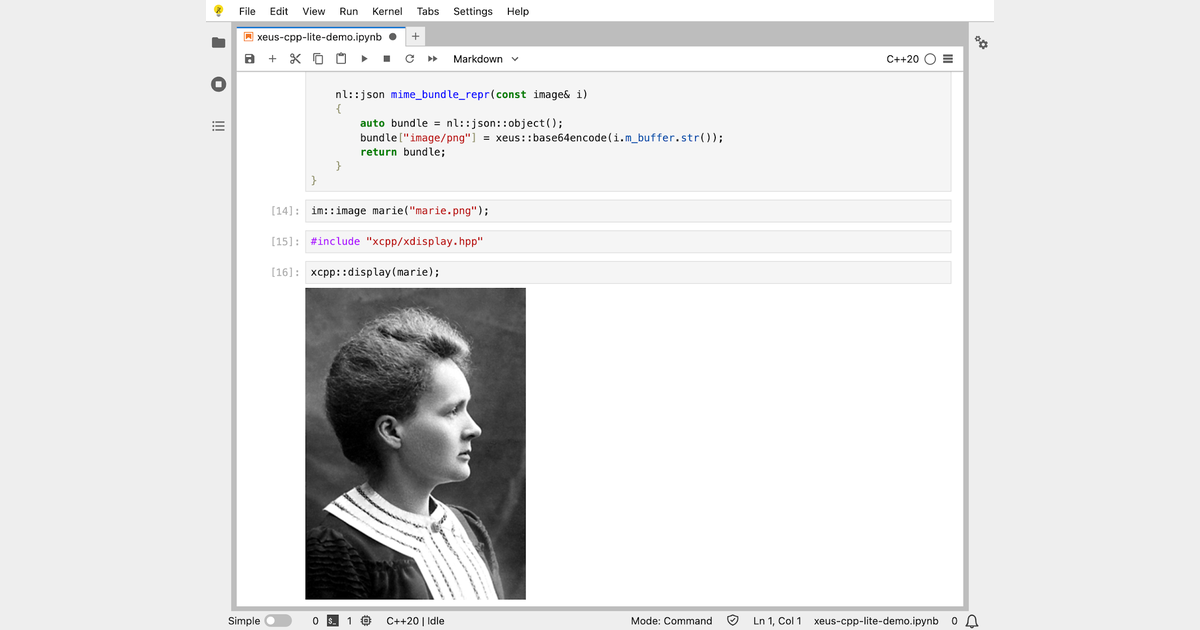
A Jupyter kernel for C++ running in the Web browser
JupyterLite 0.6.0 includes a number of new features, bug fixes, and enhancements and significant improvements to the user interface.
Hey Jovyans, we want to learn about the great things you’re doing with Jupyter! The Diversity, Equity, and Inclusion (DEI) standing committee is holding an open call with the community for people to discuss and share their work.