Notebooks-on-Demand
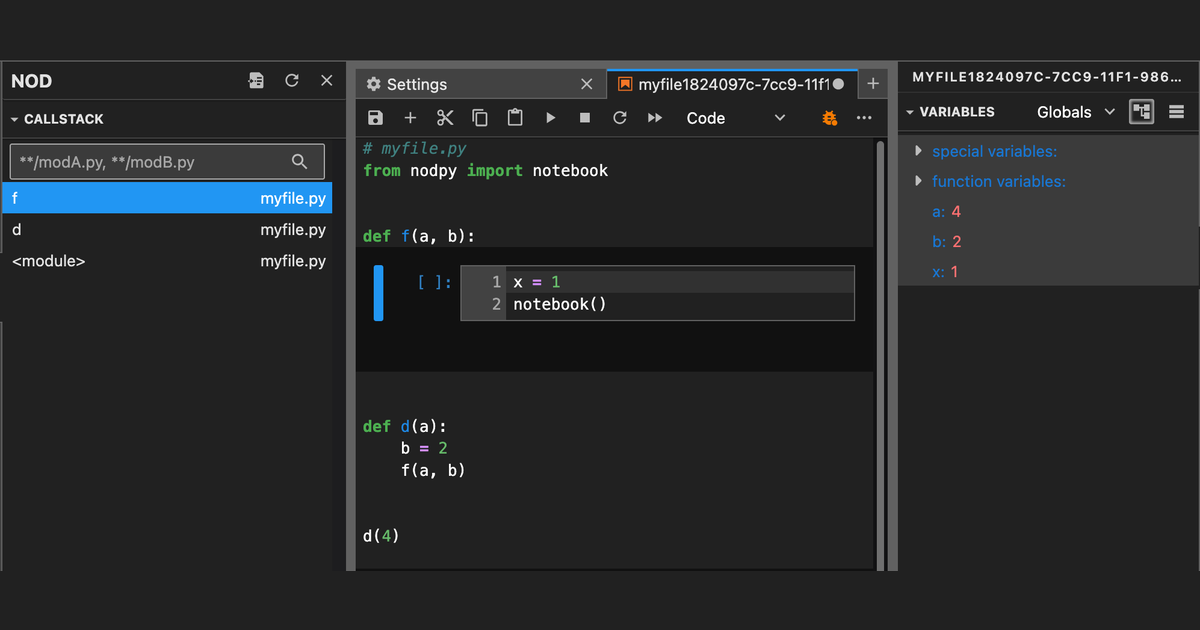
Jump into a Jupyter notebook from anywhere in a Python codebase with this open-source JupyterLab extension.


Extensions for JupyterLab, Jupyter Notebook, and Jupyter Server.
Jump into a Jupyter notebook from anywhere in a Python codebase with this open-source JupyterLab extension.
We’re excited to announce the first stable release of jupyter-builder on PyPI and @jupyter/builder on npm. A standalone, configurable build system for JupyterLab and its extensions.
We’re excited to announce the release of the first version of the Jupyter ESLint plugin @jupyter/eslint-plugin, now available on npm. It’s a custom ESLint plugin designed specifically for the official Jupyter frontends (JupyterLab, Notebook, JupyterLite) and TypeScript extensions built around them.
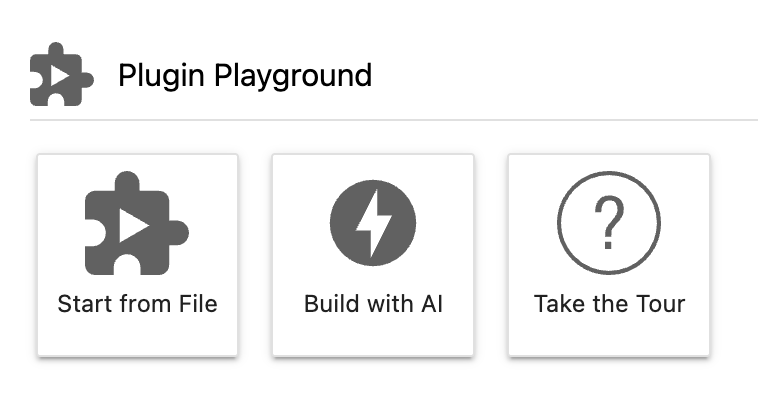
We are excited to announce the 1.0 release of JupyterLab Plugin Playground, allowing you to seamlessly experiment with the creation of Jupyter Notebook and JupyterLab plugins to add any functionality you may desire.
The JupyterLab extension ecosystem just crossed 700 extensions compatible with JupyterLab 4!
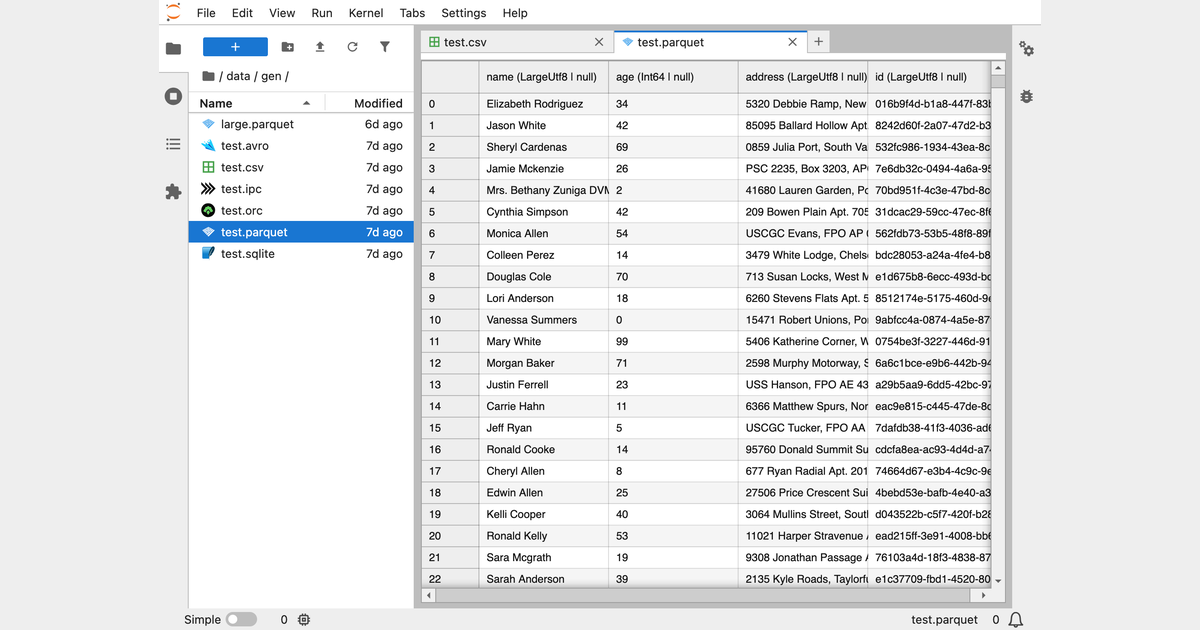
A colleague sends you a SQLite file, a Parquet dataset, or an Avro snapshot. You need to explore the content, but you’re not sure what’s inside or even how to open it. You shouldn’t have to write code, craft SQL queries, or recall the syntax for read_parquet in a Python library.
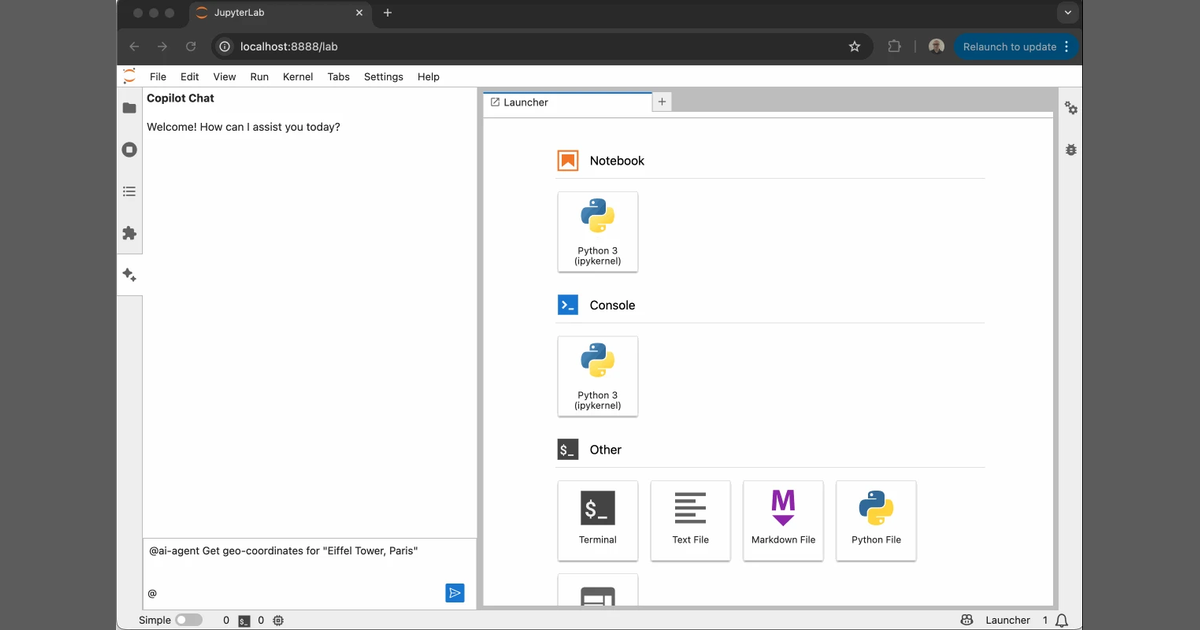
It is now possible to build AI Agents for JupyterLab and access from Copilot Chat UI, using Notebook Intelligence!
I am thrilled to announce the release of Notebook Intelligence (NBI)! NBI is an AI coding assistant and extensible AI framework for JupyterLab.
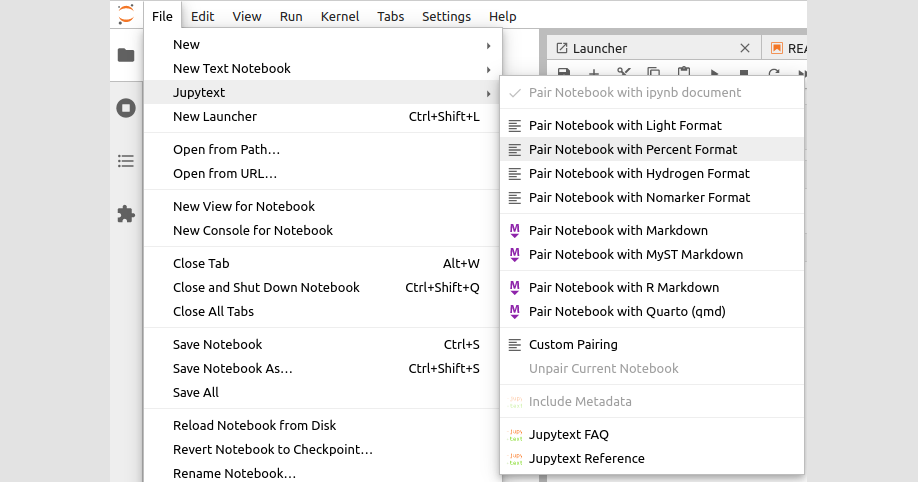
A few weeks back, jupytext==1.16.0 went out. That release included multiple amazing contributions by Mahendra Paipuri, this post will go over the new features, and thank Mahendra for his great work.
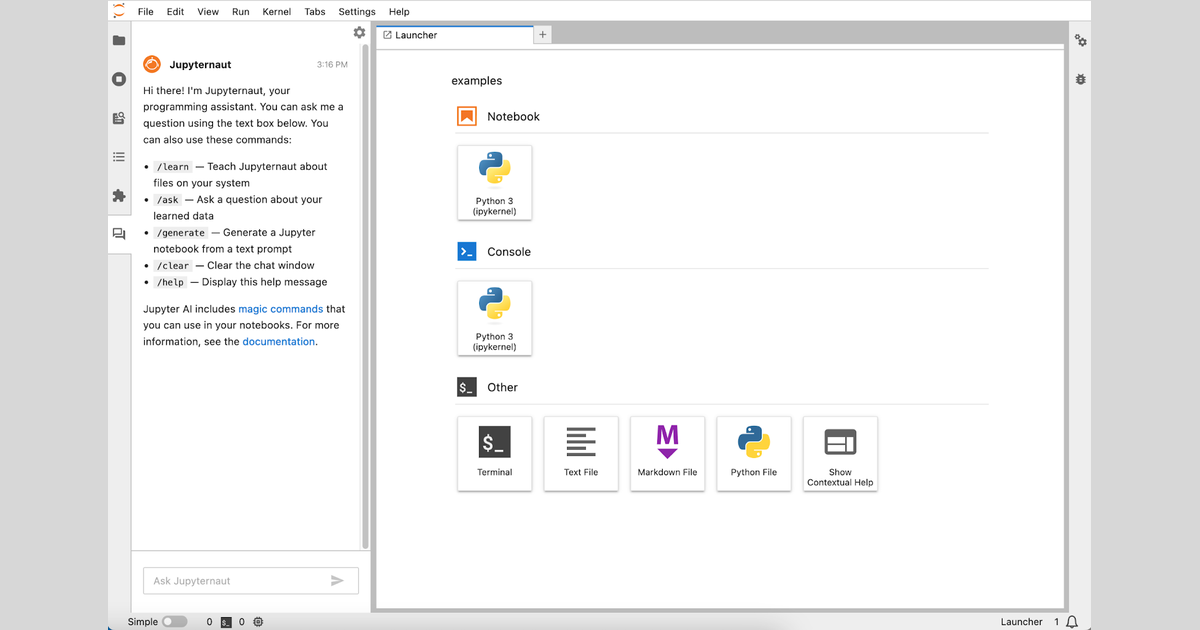
Jupyter AI, a new open source project, brings generative artificial intelligence to notebooks with magic commands and a chat interface.
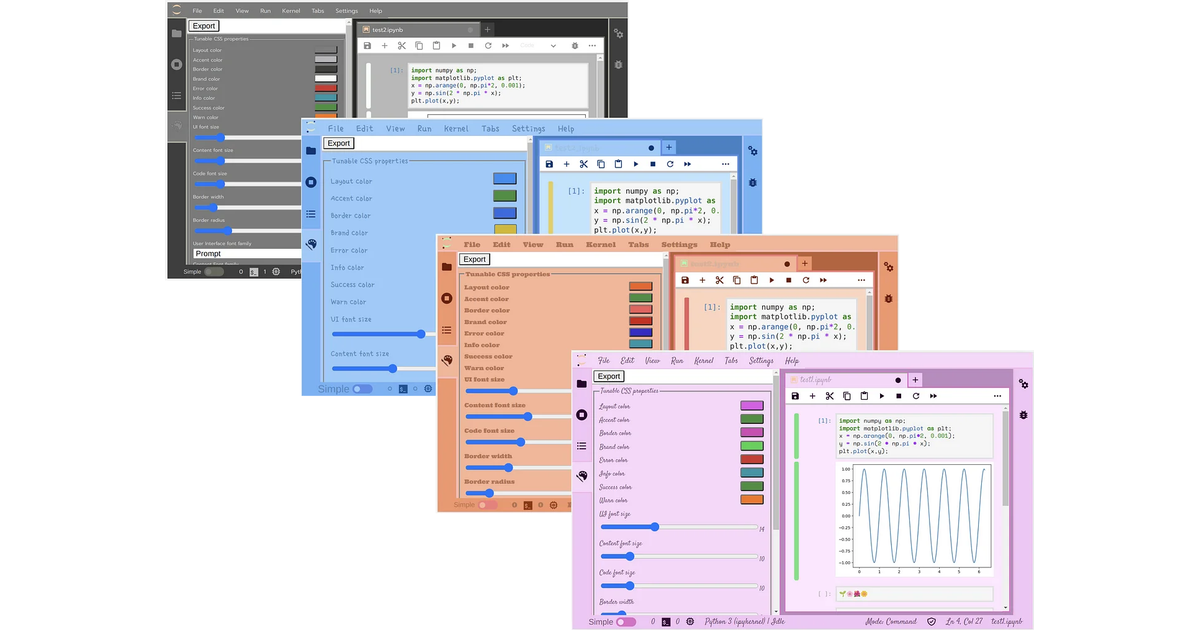
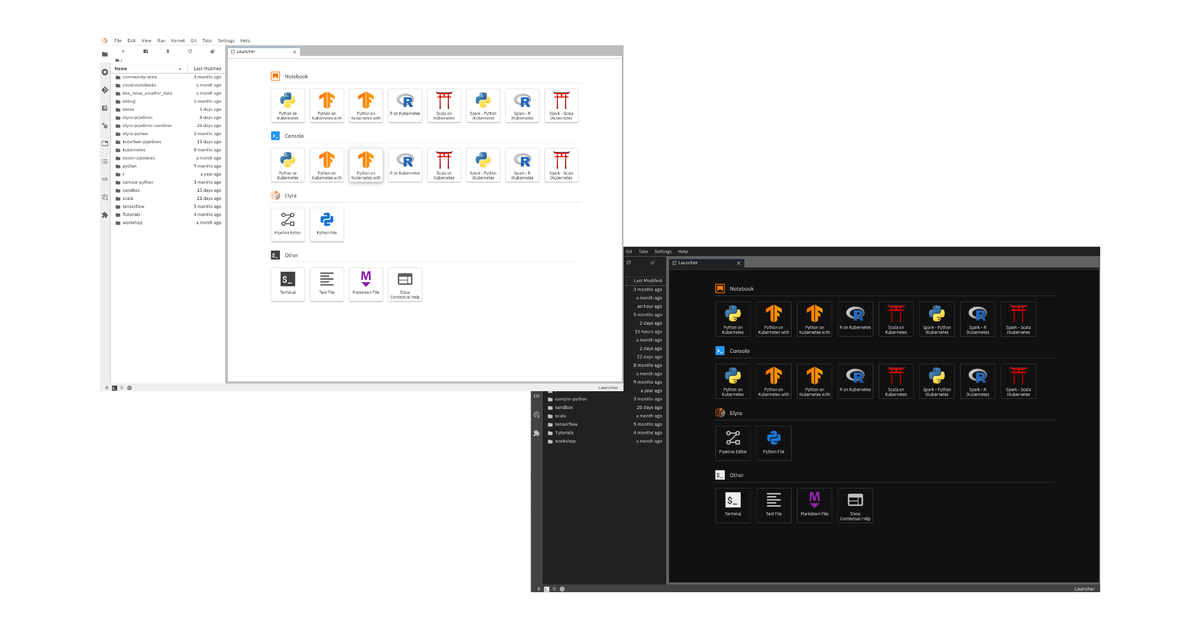
JupyterLab is a comprehensive web user interface for scientific and technical computing providing tools such as notebooks, text editors, consoles, and terminals. Like many similar tools, it allows users to choose from light or dark color themes.
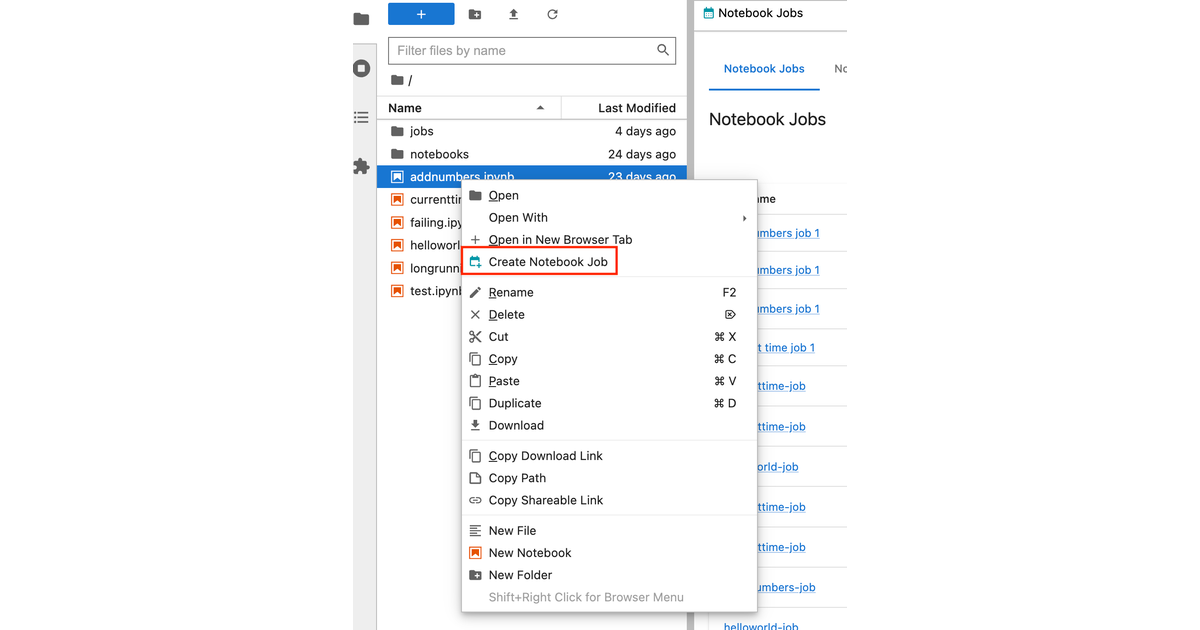
The Open Source Jupyter team at AWS is proud to announce the release of Jupyter Scheduler, a JupyterLab extension that can run your Jupyter notebooks in the background. Jupyter Scheduler was developed from the start as an open-source project under the umbrella of the Jupyter project and governance.
Project Jupyter provides a broad collection of open-source tools for interactive computing that has become ubiquitous in data science and scientific computing, and is very popular in educational contexts.
Packaging has been difficult and changing over time in the Python ecosystem, and packaging extensions for Jupyter has been especially troublesome.
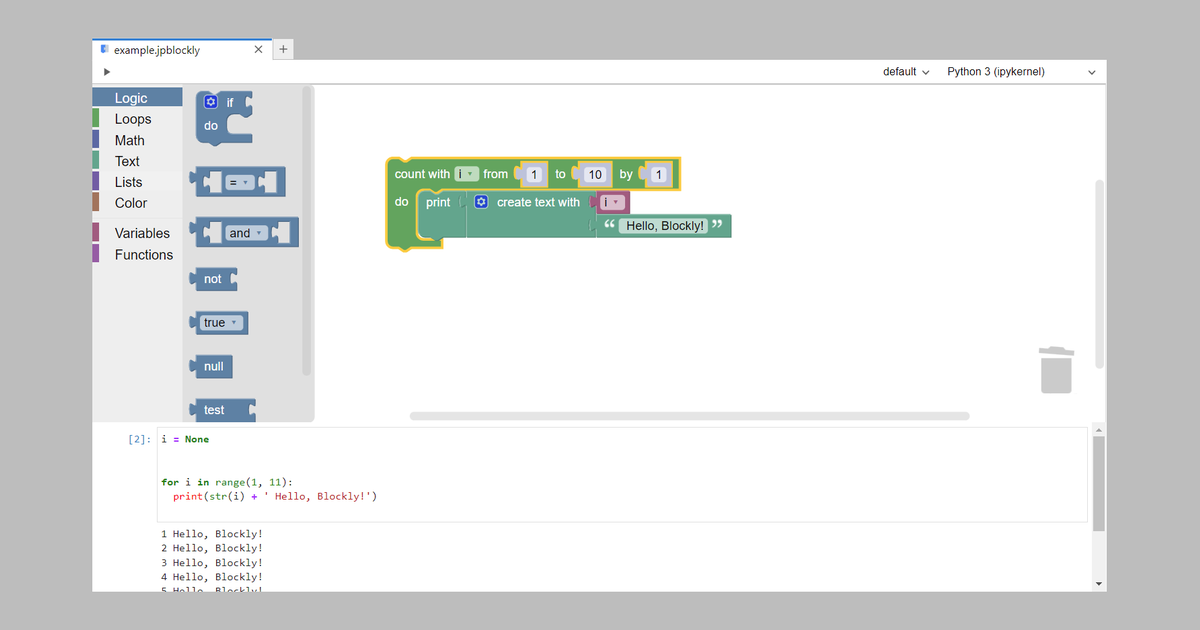
Block-based programming has become ubiquitous in school curricula for early computer science education. It is an excellent means to teach basic programming concepts without having to deal with the specific syntax of a text-based programming language.
Project Jupyter offers a complete suite of open-source tools for the scientific computing community, reaching from the exploratory phase of a project to the presentation of the results.
The 3.0 release of JupyterLab brings many new features to users and substantial improvements to the extension system.
In this blog post, we will introduce the Elyra code snippet extension, which enables us to reuse arbitrary snippets of code in your notebooks, source code, or markdown files in JupyterLab.
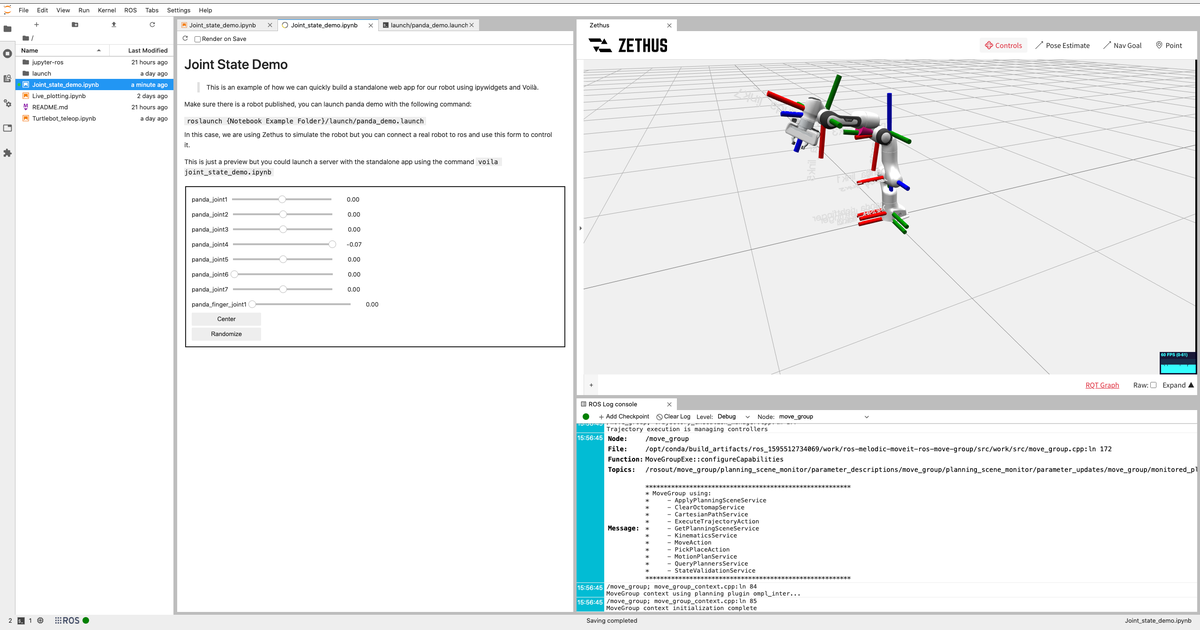
Building a cloud robotics development platform using JupyterLab and ROS
Building on a Jupyter Notebooks foundation, the de facto tool for data scientists, machine learning engineers and AI developers, Elyra is an open-source project that provides a set of AI-centric extensions to JupyterLab aiming to help users through the model development life cycle complexities…
Whenever someone says ‘You can do that with an extension’ in the Jupyter ecosystem, it is often not clear what kind of extension they are talking about. The Jupyter ecosystem is very modular and extensible, so there are lots of ways to extend it.
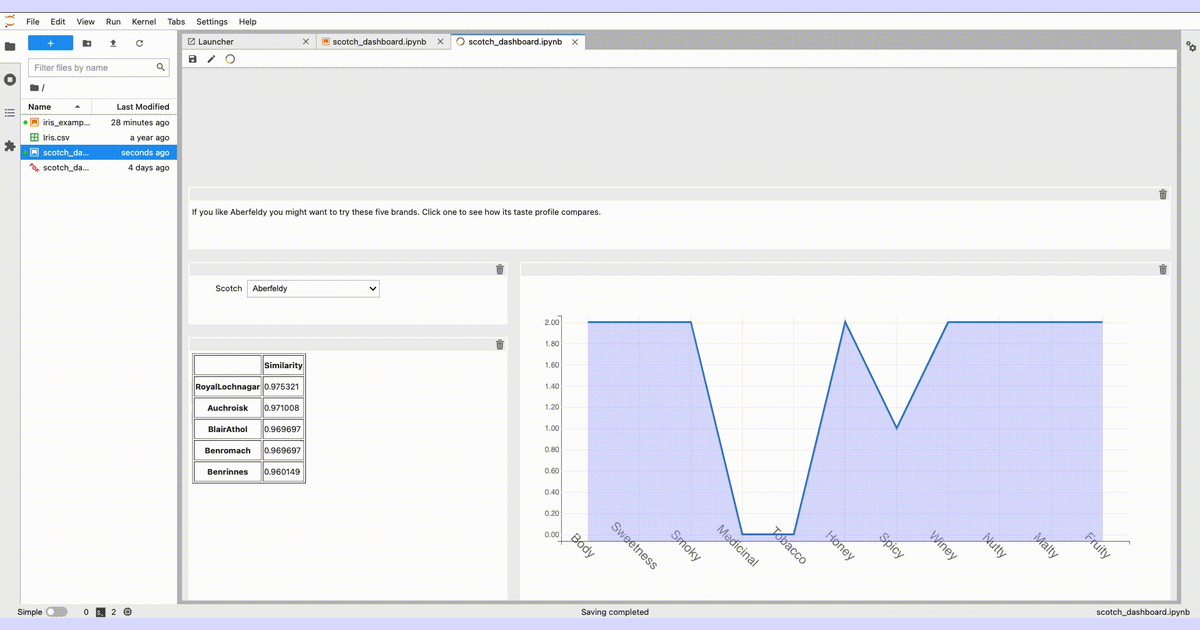
With the success of the notebook file format as a medium for communicating scientific results, more than an interactive development environment, Jupyter is turning into an interactive scientific authoring environment.
We are proud to announce the beta release series of JupyterLab, the next-generation web-based interface for Project Jupyter.
We have just released version 4.2 of the Jupyter Notebook. The Jupyter Notebook is a web application that allows you to create and share documents that contain live code, equations, visualizations and explanatory text (see the Jupyter project home page for more information).