Notebooks-on-Demand
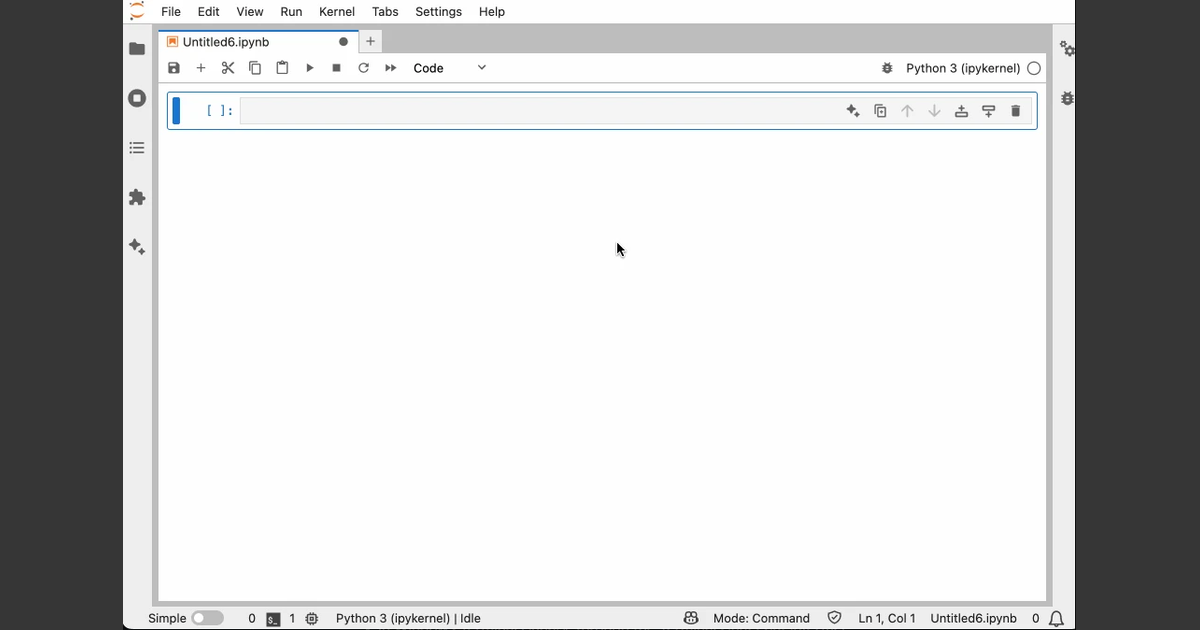
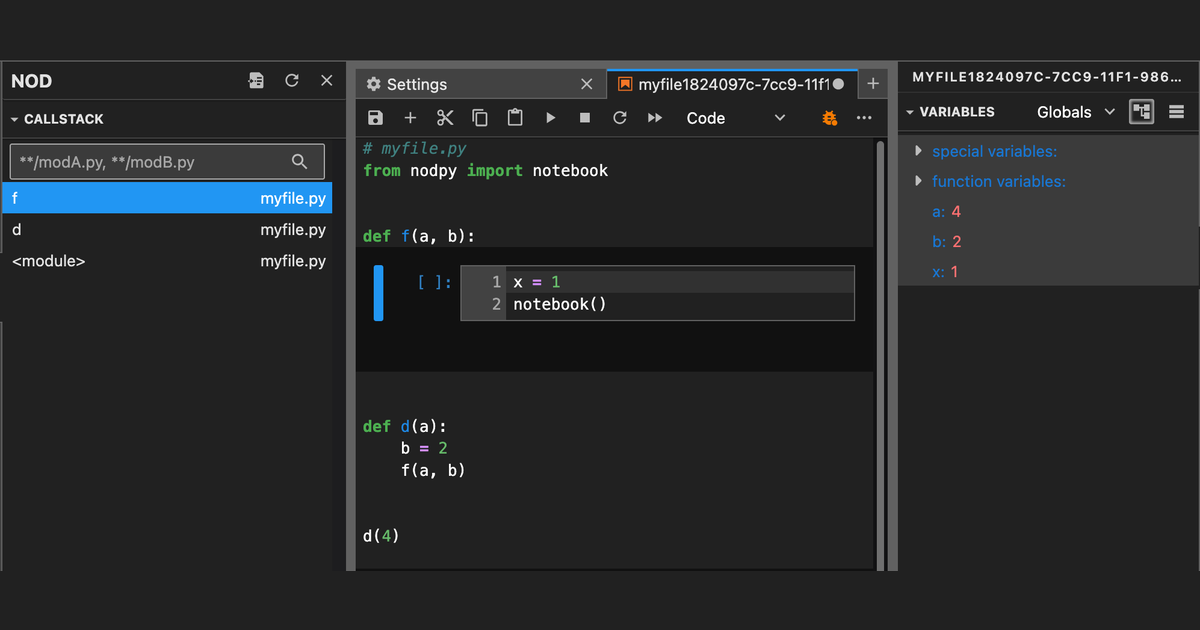
Jump into a Jupyter notebook from anywhere in a Python codebase with this open-source JupyterLab extension.


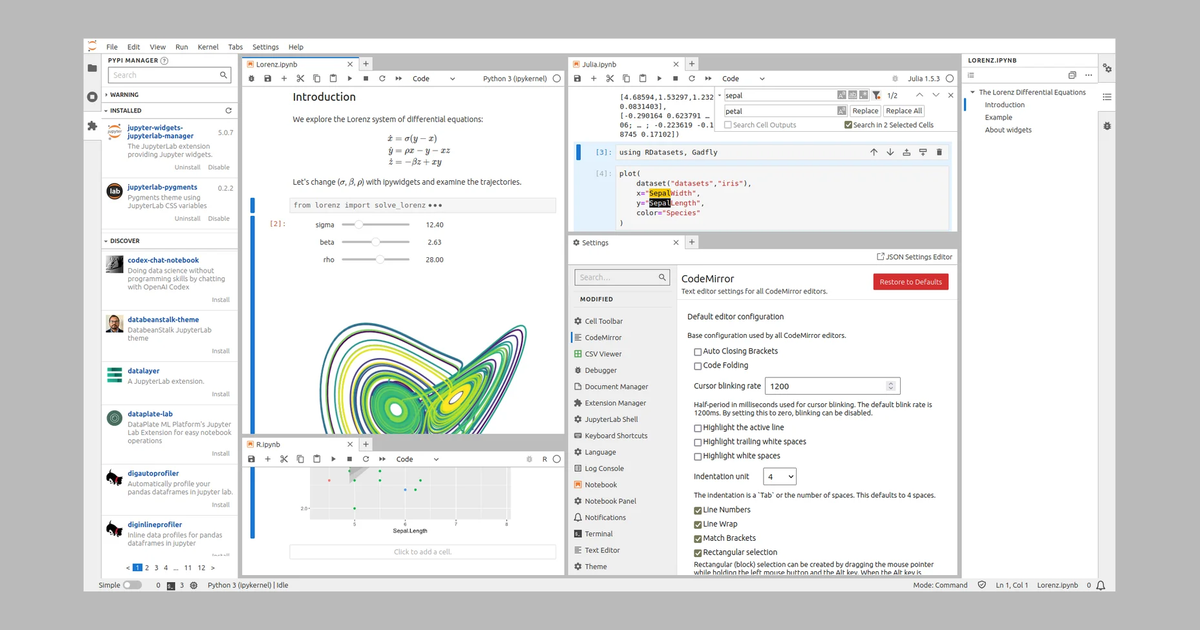
JupyterLab, the extensible web-based environment for notebooks, code, and data.
Jump into a Jupyter notebook from anywhere in a Python codebase with this open-source JupyterLab extension.
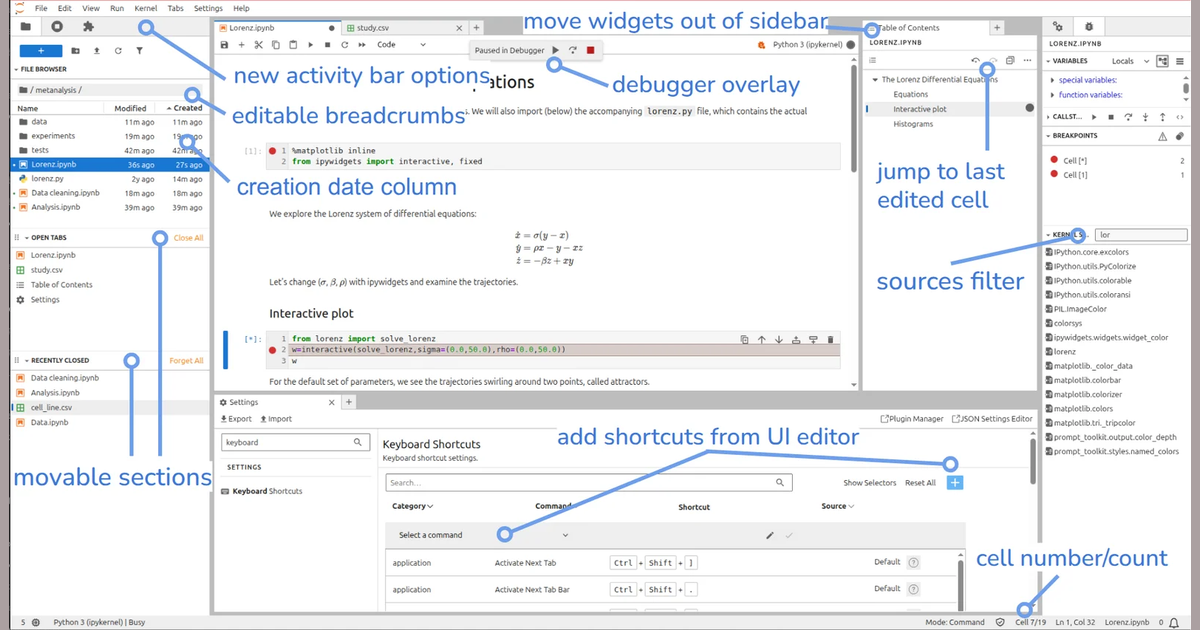
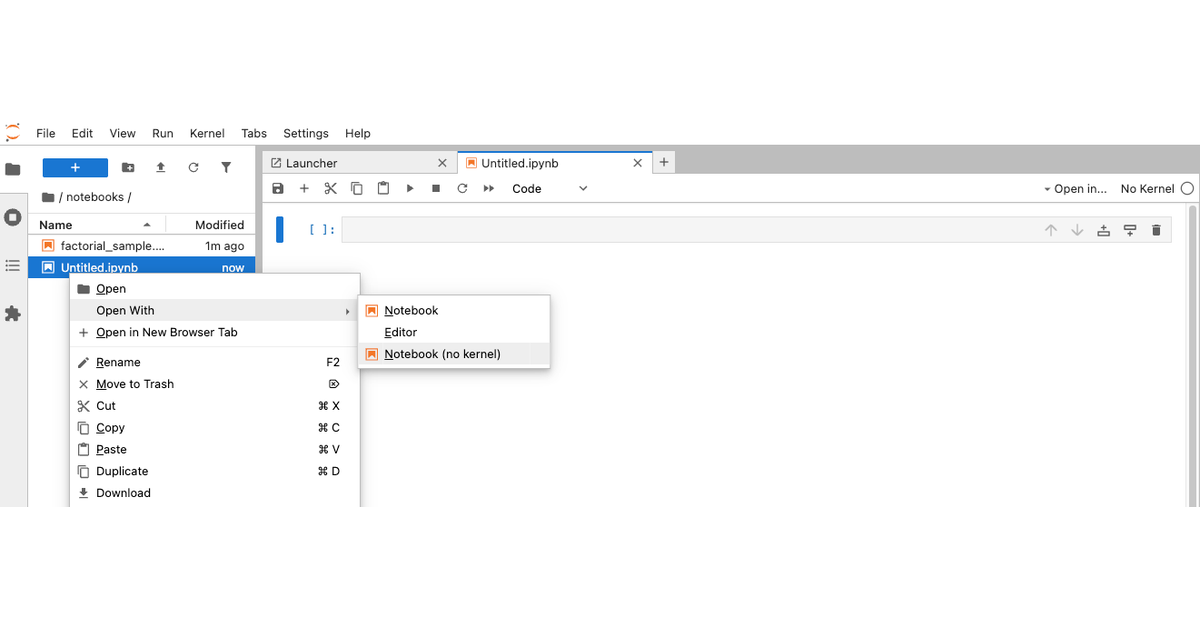
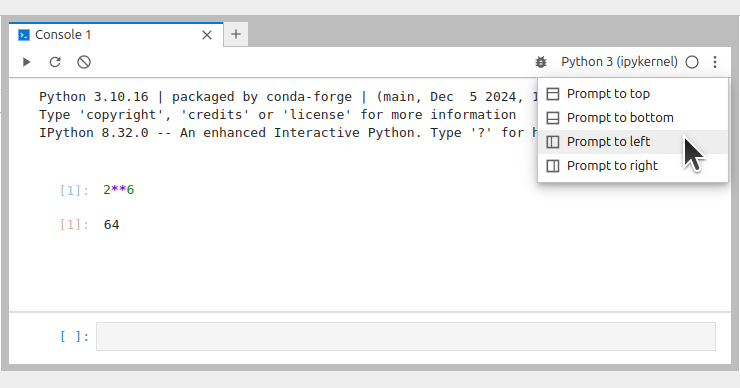
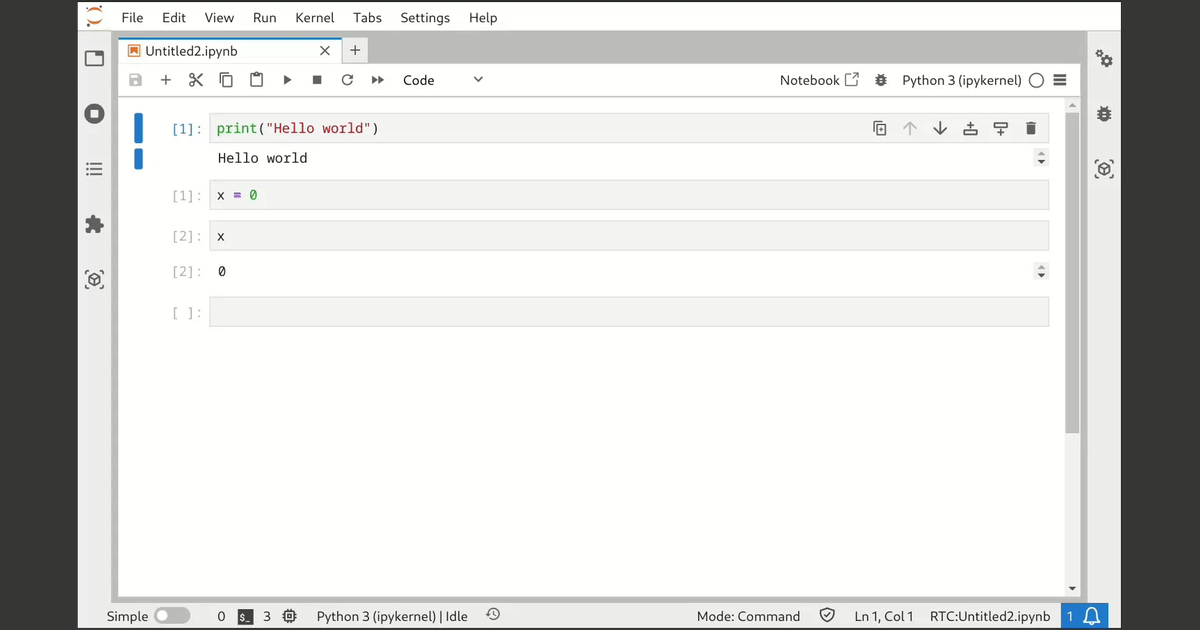
JupyterLab 4.6 features new interface customization options, improved file browser and debugger, an easy way to jump between recently edited cells, and numerous other notebook experience improvements. Keyboard shortcuts, navigation and accessibility is another focus area in this release.
We’re excited to announce the first stable release of jupyter-builder on PyPI and @jupyter/builder on npm. A standalone, configurable build system for JupyterLab and its extensions.
We’re excited to announce the release of the first version of the Jupyter ESLint plugin @jupyter/eslint-plugin, now available on npm. It’s a custom ESLint plugin designed specifically for the official Jupyter frontends (JupyterLab, Notebook, JupyterLite) and TypeScript extensions built around them.
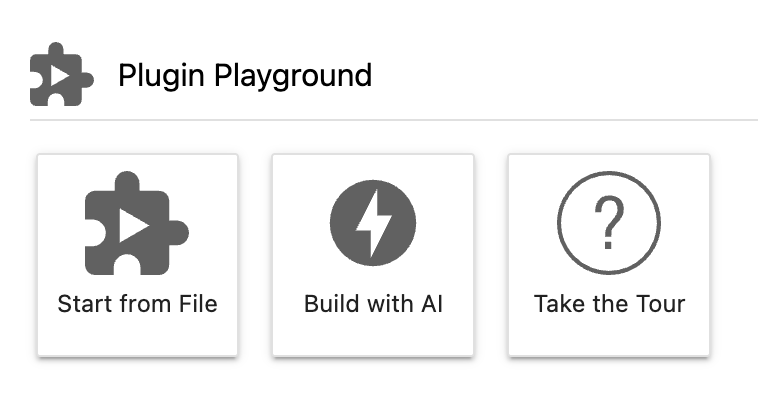
We are excited to announce the 1.0 release of JupyterLab Plugin Playground, allowing you to seamlessly experiment with the creation of Jupyter Notebook and JupyterLab plugins to add any functionality you may desire.
The JupyterLab extension ecosystem just crossed 700 extensions compatible with JupyterLab 4!
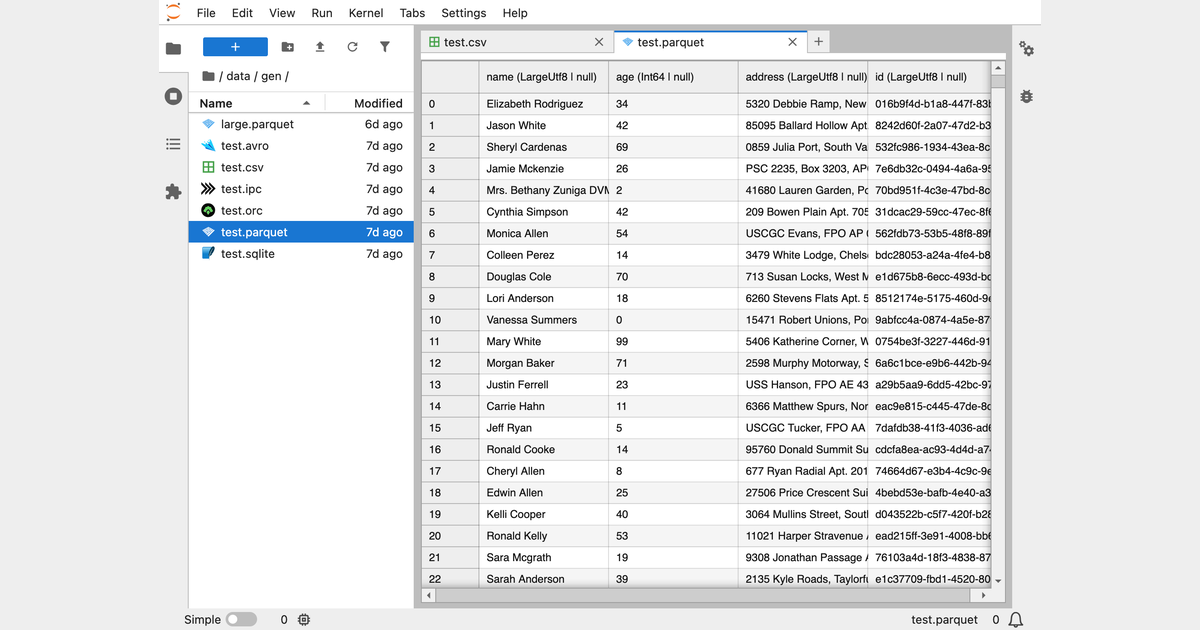
A colleague sends you a SQLite file, a Parquet dataset, or an Avro snapshot. You need to explore the content, but you’re not sure what’s inside or even how to open it. You shouldn’t have to write code, craft SQL queries, or recall the syntax for read_parquet in a Python library.
JupyterLab 4.5 has been released! This new minor release of JupyterLab includes 51 new features and enhancements, 81 bug fixes, 44 maintenance tasks and 38 documentation improvements. There were 51 contributors to this release.
JupyterLab 4.4 has been released! This new minor release of JupyterLab includes 28 new features and enhancements, 76 bug fixes, 63 maintenance tasks and 34 documentation improvements. There were 56 contributors to this release.
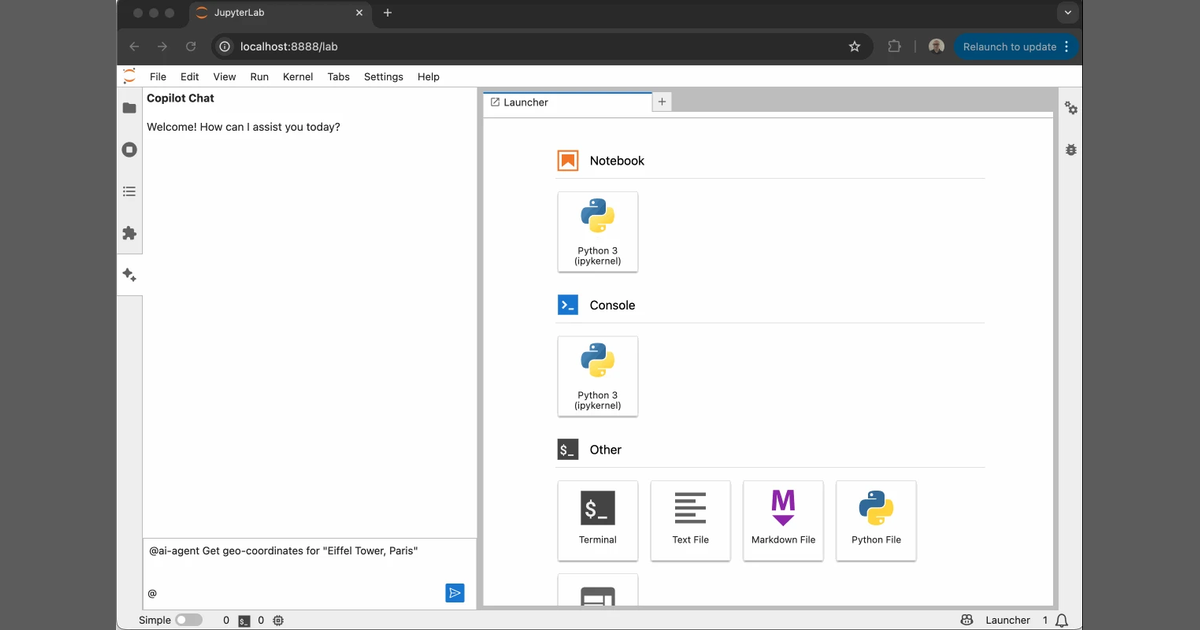
It is now possible to build AI Agents for JupyterLab and access from Copilot Chat UI, using Notebook Intelligence!
I am thrilled to announce the release of Notebook Intelligence (NBI)! NBI is an AI coding assistant and extensible AI framework for JupyterLab.
JupyterLab 4.3.0 has been released! This new minor release of JupyterLab includes 1 new feature, 42 enhancements, 62 bug fixes, 48 maintenance tasks and 35 documentation improvements. There were 38 contributors to this release including 18 new contributors to JupyterLab.
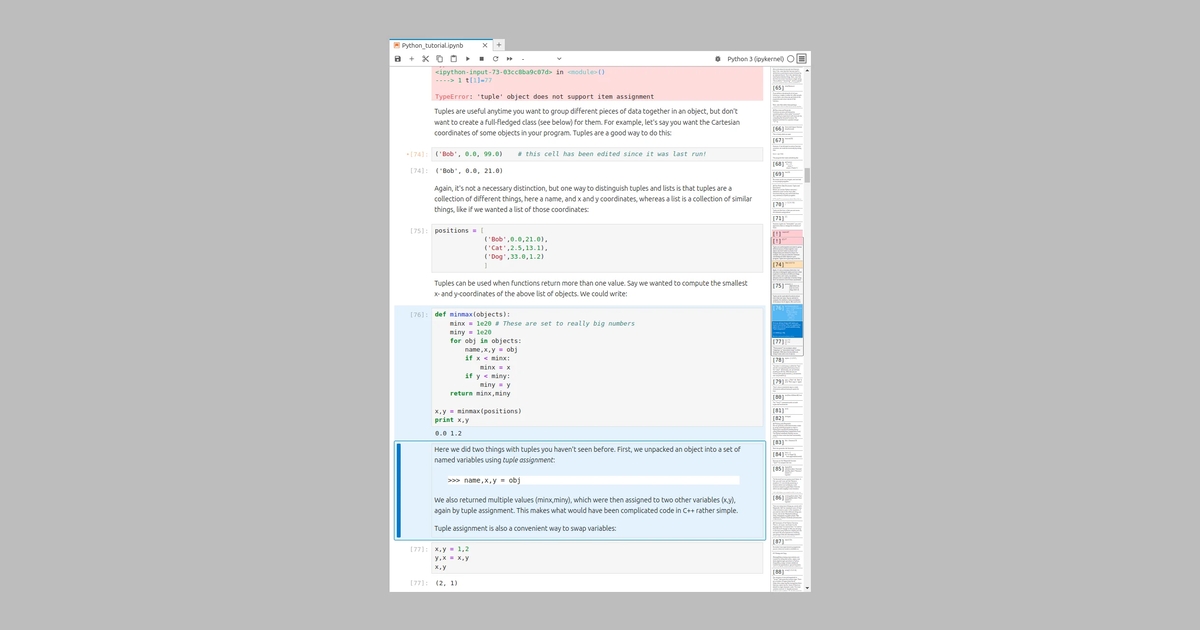
Introducing a document timeline component for JupyterLab
JupyterLab 4.2.0 has been released! This new minor release of JupyterLab includes 3 new features, 20 enhancements, 33 bug fixes and 29 maintenance tasks. There were 39 contributors to this release including 10 new contributors to JupyterLab.
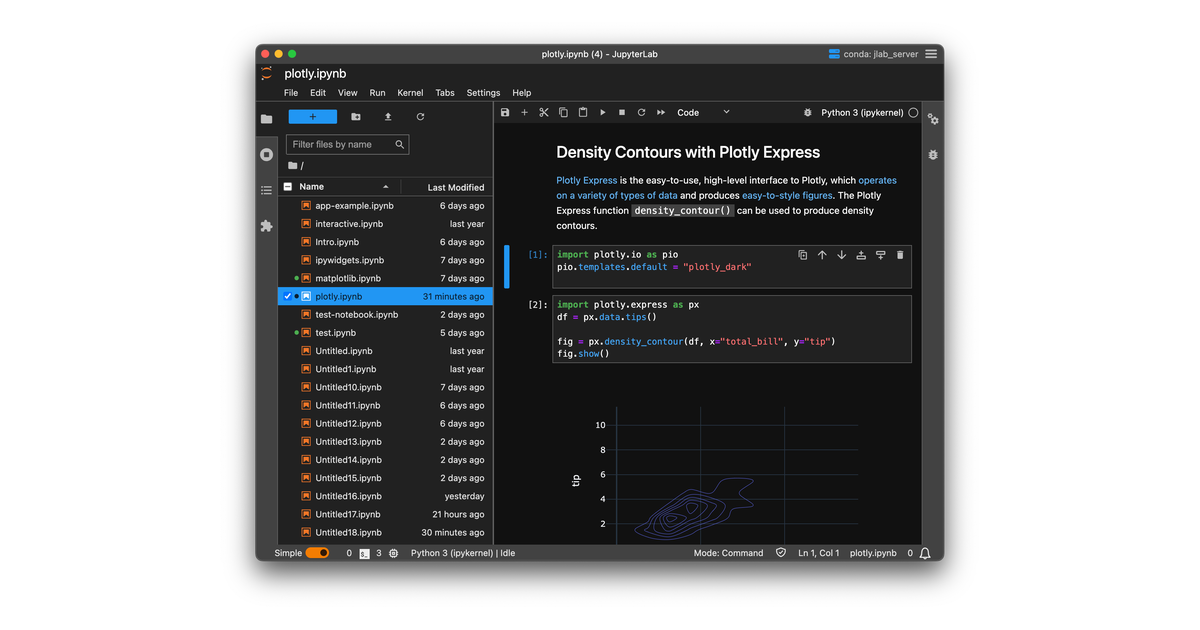
We are pleased to announce UI Mode features recently added to JupyterLab Desktop (JLD). JupyterLab Desktop now provides a convenient way to set the JupyterLab UI layout per project and introduces an new layout mode: “Zen Mode”.
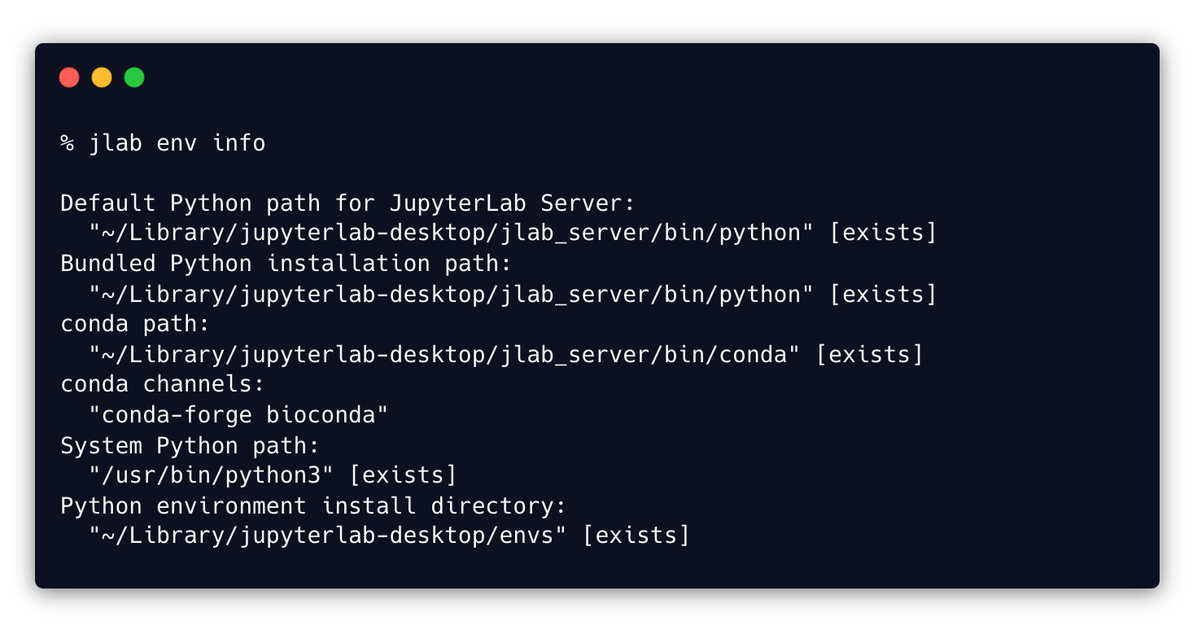
JupyterLab Desktop (JLD) CLI provides several commands and options to manage Python environments for use in the application. In my previous blog post I had covered using JLD UI to manage Python environments.
JupyterLab 4.1 and Notebook 7.1 are now available! These releases include several new features, bug fixes, and enhancements for extension developers. This release is compatible with extensions supporting JupyterLab 4.0 and Notebook 7.0.
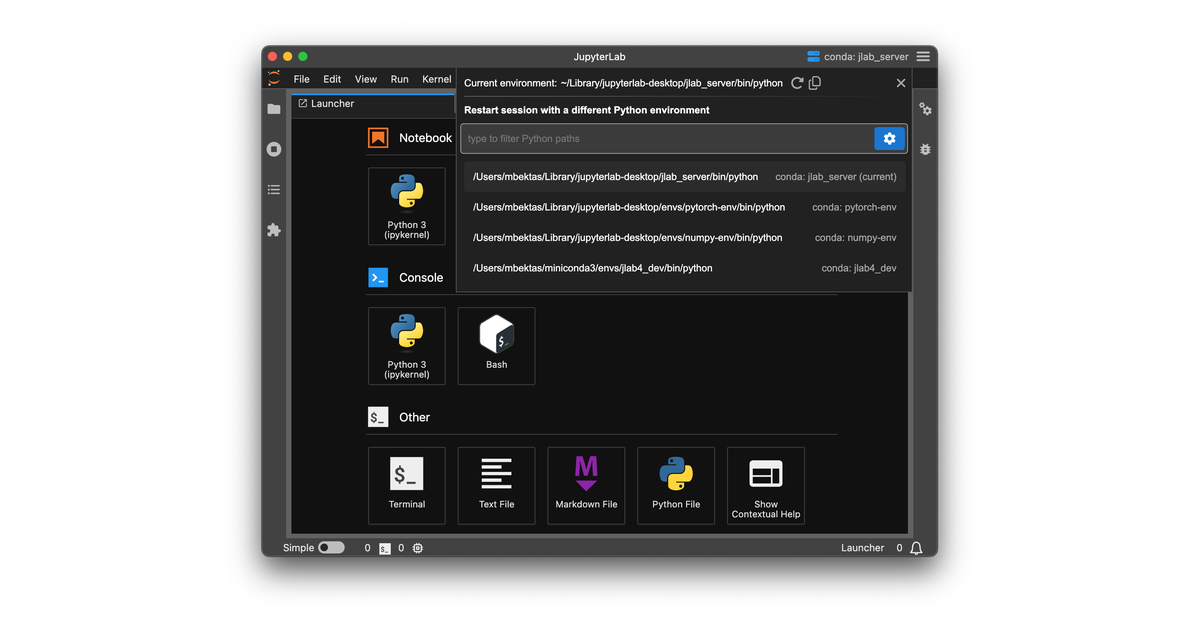
We are pleased to announce Python environment management features recently added to JupyterLab Desktop (JLD). Now you can create new Python environments and manage existing ones on your system, right from JupyterLab Desktop UI.
The JupyterLab Council has agreed to an important change to JupyterLab’s version lifecycle. Each major version of JupyterLab will now receive updates until one year after the following major version’s first release.
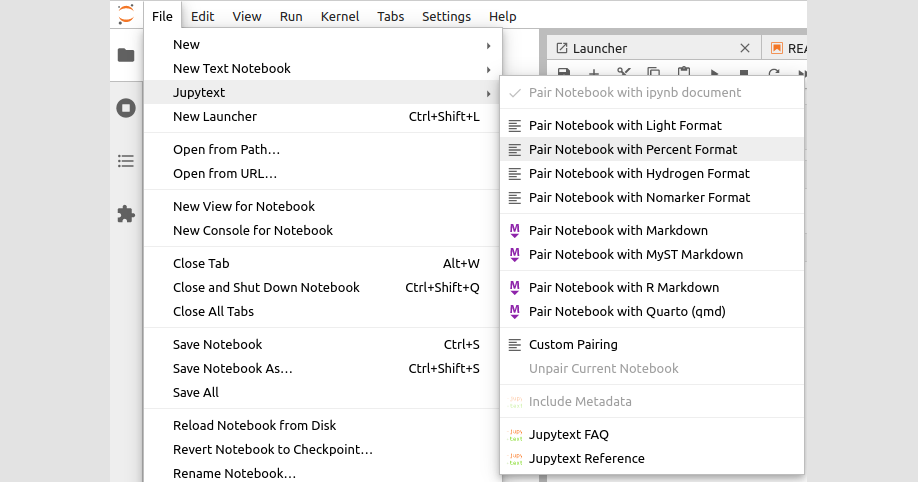
A few weeks back, jupytext==1.16.0 went out. That release included multiple amazing contributions by Mahendra Paipuri, this post will go over the new features, and thank Mahendra for his great work.
Towards a more accessible Jupyter Notebook
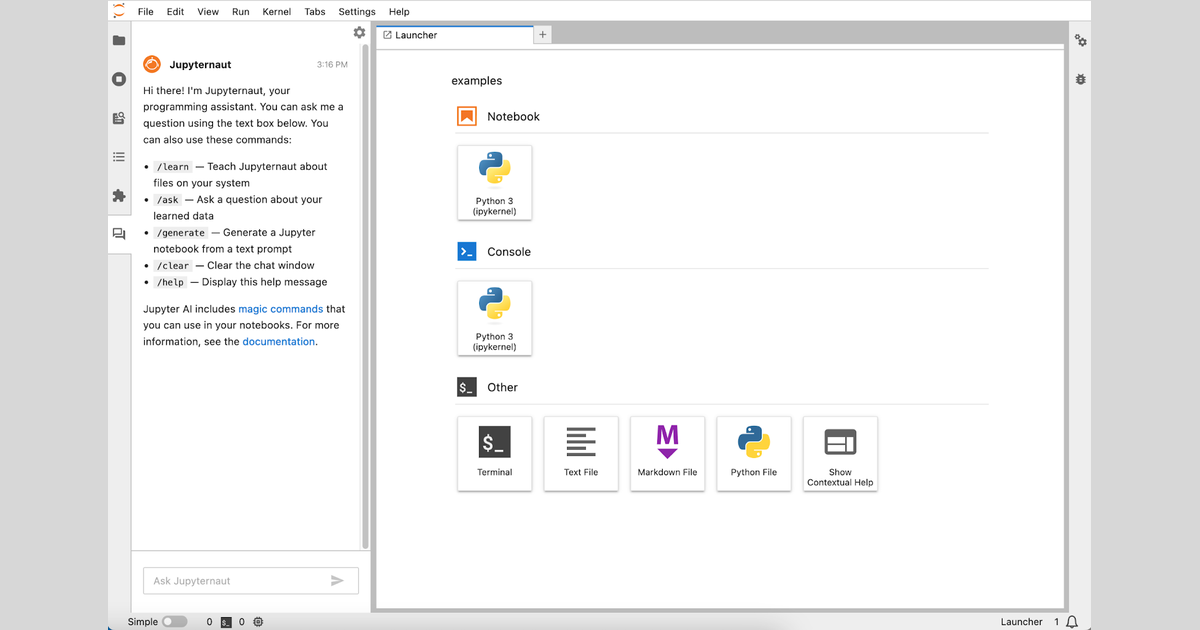
Jupyter AI, a new open source project, brings generative artificial intelligence to notebooks with magic commands and a chat interface.
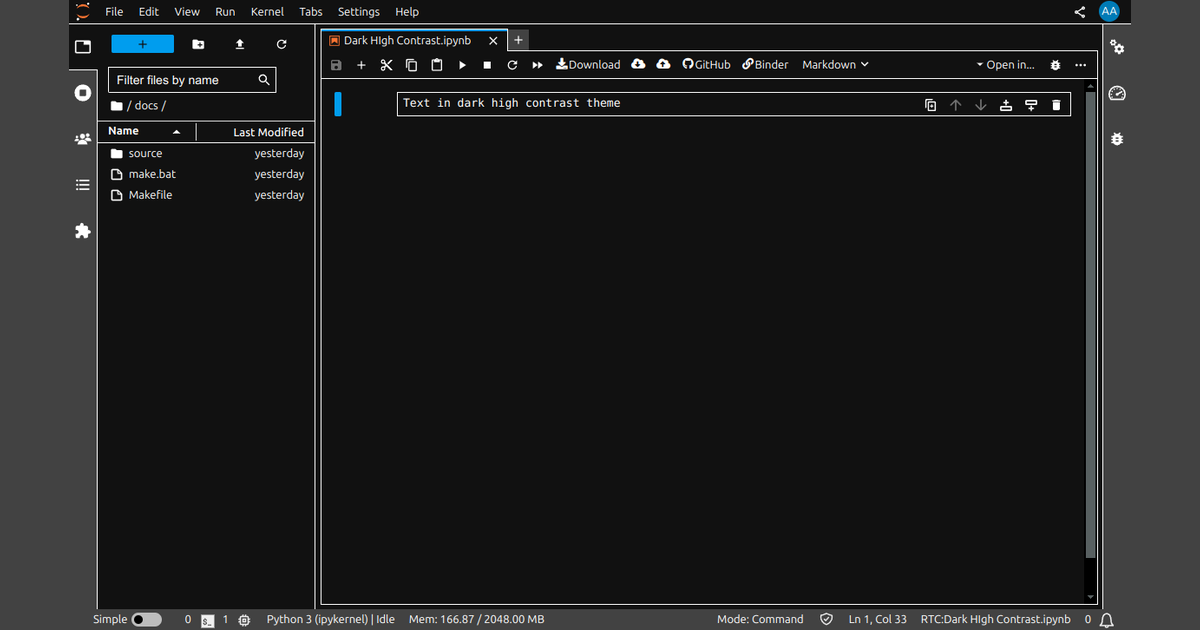
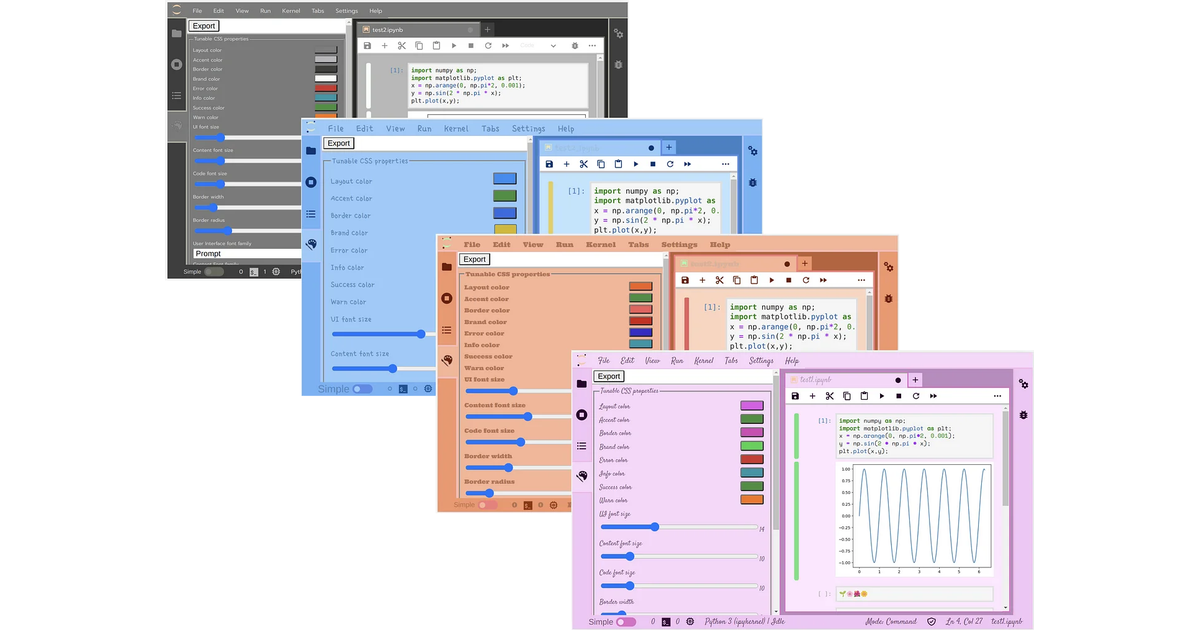
JupyterLab is a comprehensive web user interface for scientific and technical computing providing tools such as notebooks, text editors, consoles, and terminals. Like many similar tools, it allows users to choose from light or dark color themes.
The Jupyter contributor community is proud to announce JupyterLab 4.0, the next major release of our full-featured development environment. The package is now available on PyPI and conda-forge. You can upgrade by running pip install --upgrade jupyterlab or conda install -c conda-forge jupyterlab.