Accelerating JupyterLab
How JupyterLab is switching to second gear for Version 4


How JupyterLab is switching to second gear for Version 4
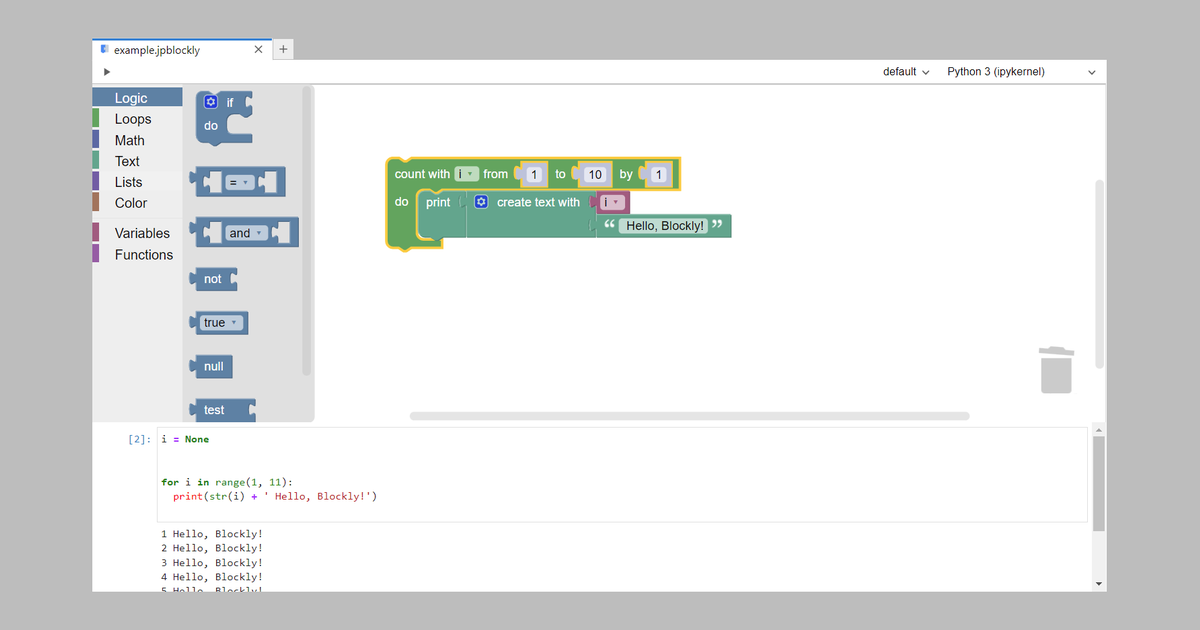
Block-based programming has become ubiquitous in school curricula for early computer science education. It is an excellent means to teach basic programming concepts without having to deal with the specific syntax of a text-based programming language.
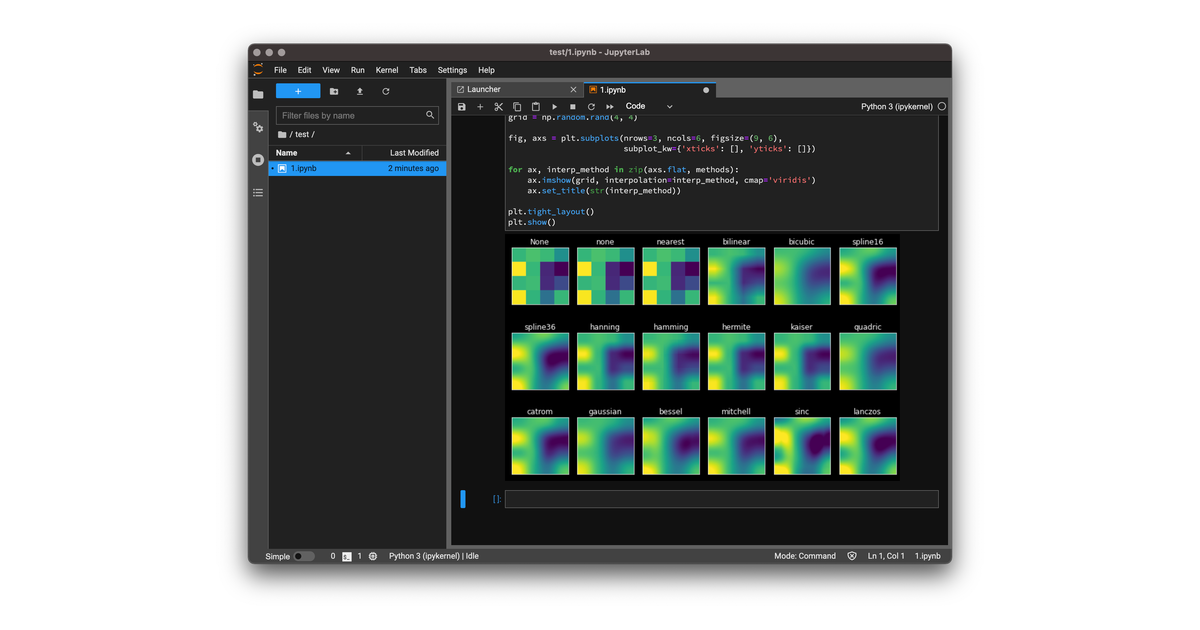
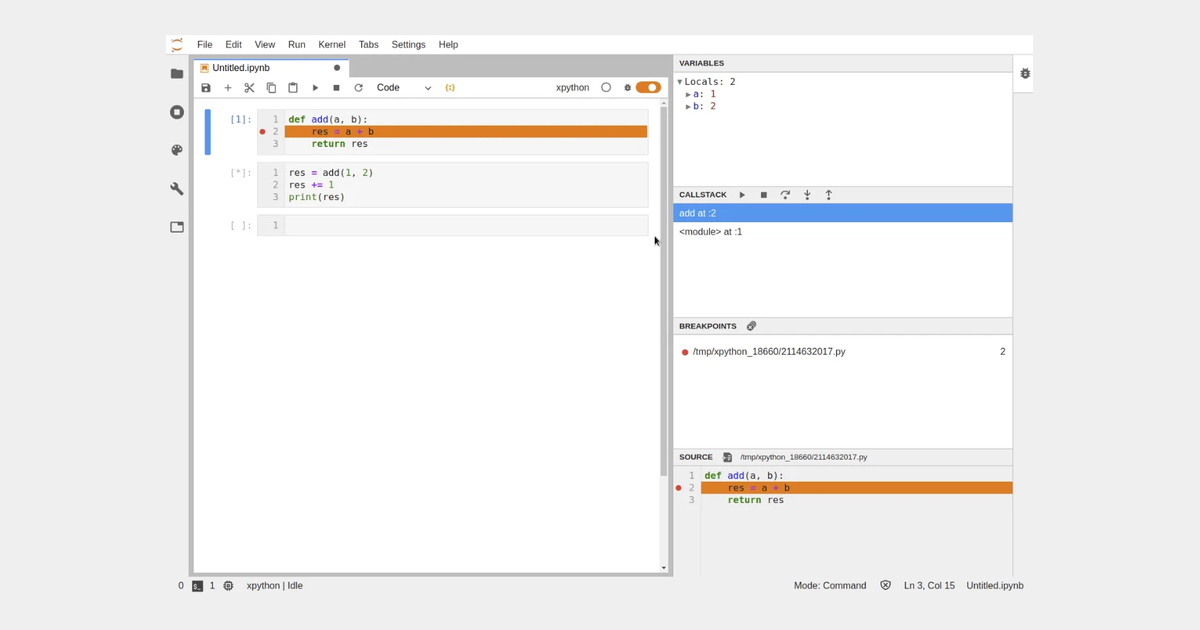
JupyterLab provides multiple ways to improve your coding workflow: code highlighting, code completion, theming, debugger with rich variable rendering and more.
We are pleased to announce the release of desktop application for JupyterLab!
TL:DR; All recent JupyterLab and Notebook versions are susceptible to a attack where a maliciously crafted notebook can trigger arbitrary code execution when a user views these malicious files.
RetroLab is an alternative JupyterLab distribution, built from the ground-up, providing a notebook interface with a retro look and feel.
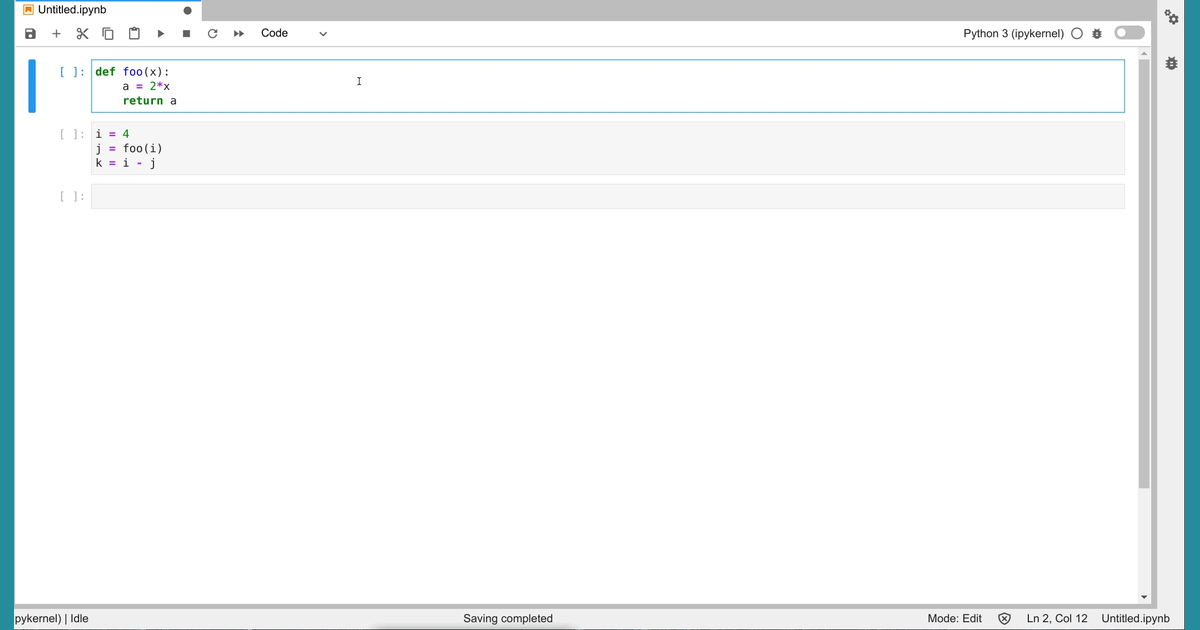
Support for the Jupyter Debugger Protocol just landed in ipykernel
Introducing a new Jupyter kernel for Robot Framework
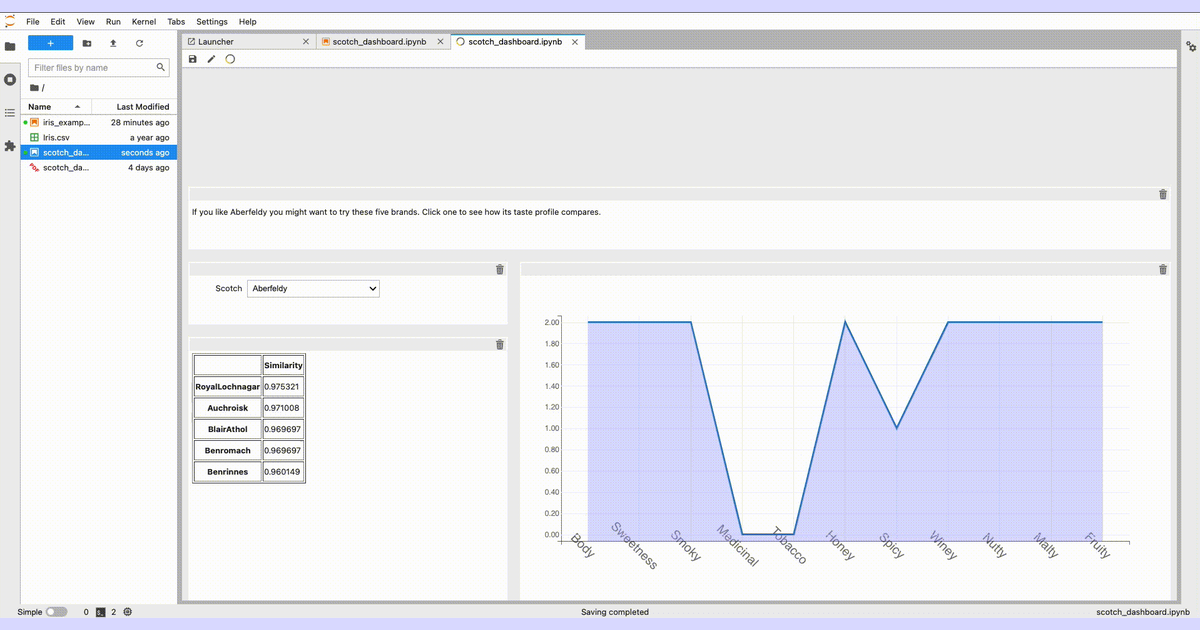
Project Jupyter offers a complete suite of open-source tools for the scientific computing community, reaching from the exploratory phase of a project to the presentation of the results.
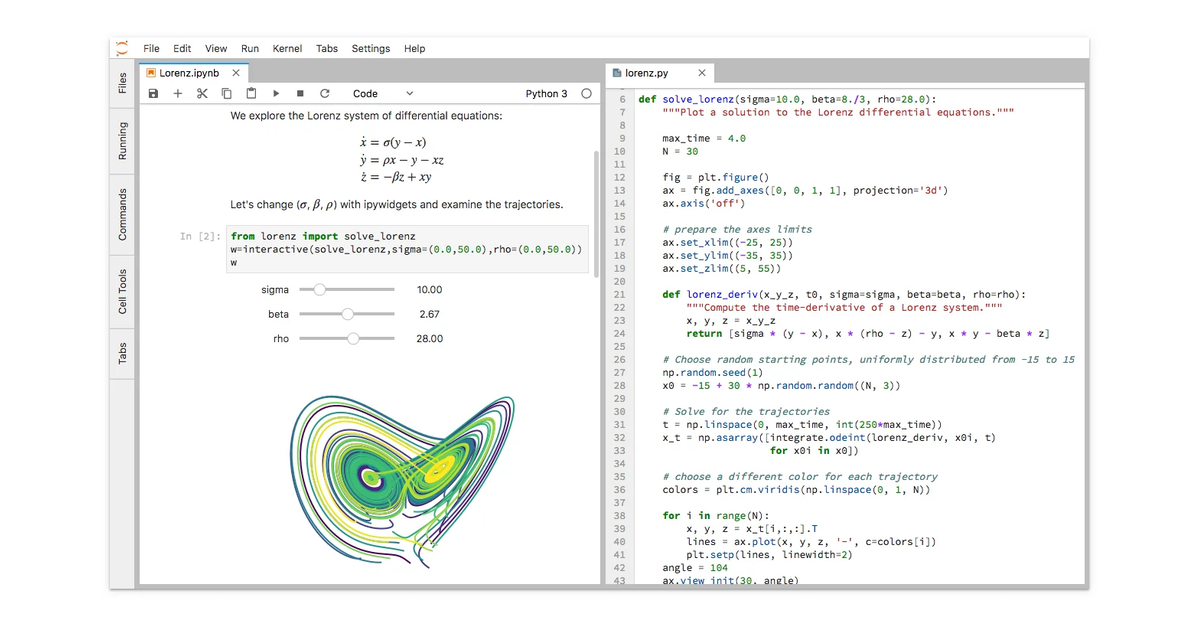
The 3.0 release of JupyterLab brings many new features to users and substantial improvements to the extension system.
The 2020 end-user survey is live!
In this blog post, we will introduce the Elyra code snippet extension, which enables us to reuse arbitrary snippets of code in your notebooks, source code, or markdown files in JupyterLab.
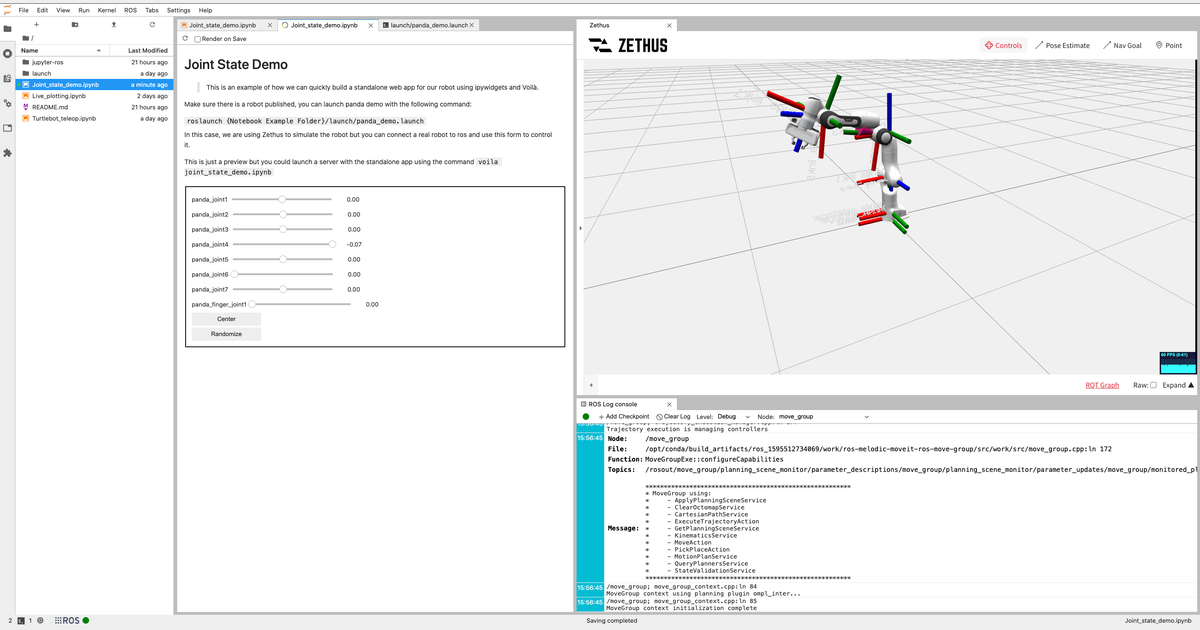
Building a cloud robotics development platform using JupyterLab and ROS
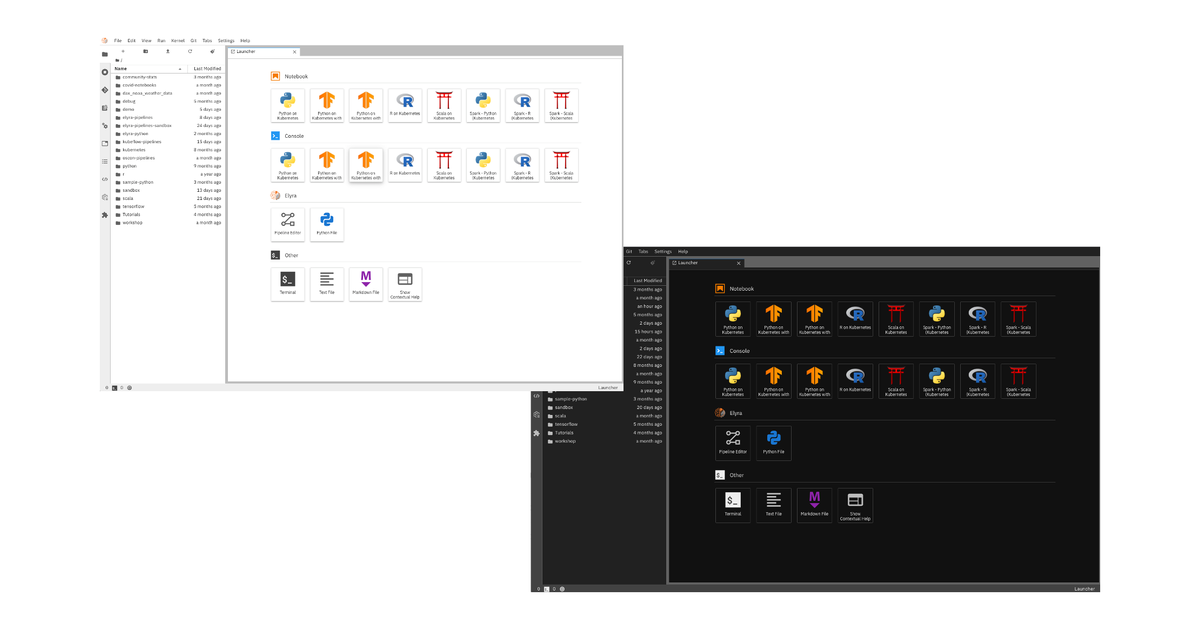
Building on a Jupyter Notebooks foundation, the de facto tool for data scientists, machine learning engineers and AI developers, Elyra is an open-source project that provides a set of AI-centric extensions to JupyterLab aiming to help users through the model development life cycle complexities…
Most of the progress made in software projects comes from incrementalism. The ability to quickly see the outcome of an execution and iterate has been one of the main reasons for the success of Jupyter, especially in scientific exploratory workflows.
Whenever someone says ‘You can do that with an extension’ in the Jupyter ecosystem, it is often not clear what kind of extension they are talking about. The Jupyter ecosystem is very modular and extensible, so there are lots of ways to extend it.
With the success of the notebook file format as a medium for communicating scientific results, more than an interactive development environment, Jupyter is turning into an interactive scientific authoring environment.
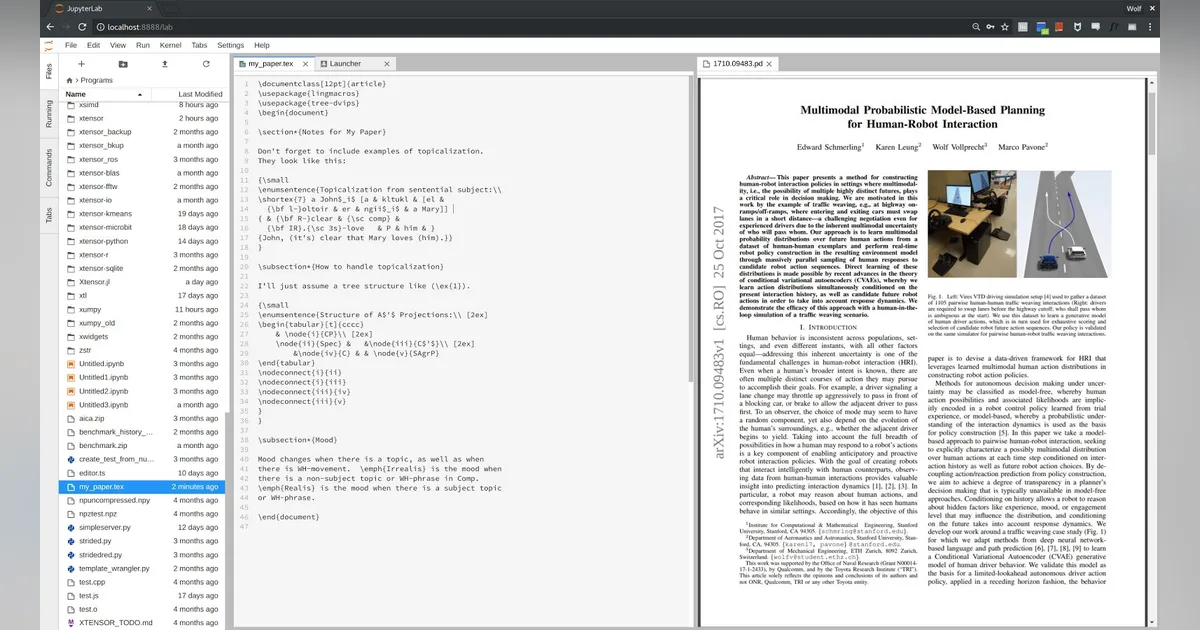
We are proud to announce the beta release series of JupyterLab, the next-generation web-based interface for Project Jupyter.
Learning the lessons of the Jupyter Notebook