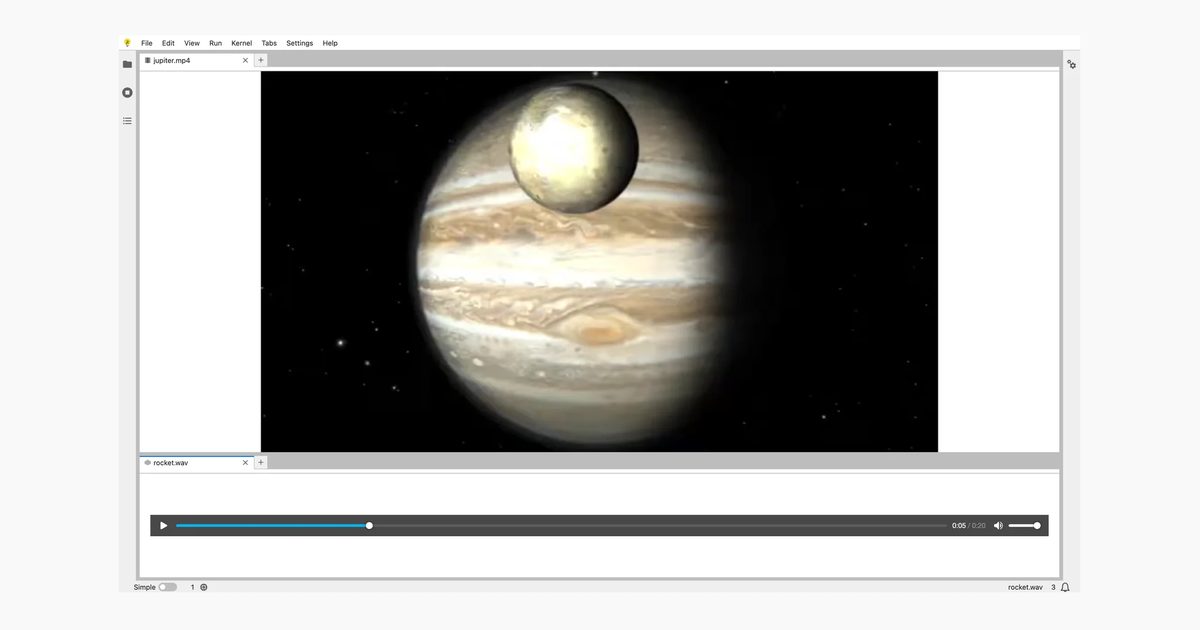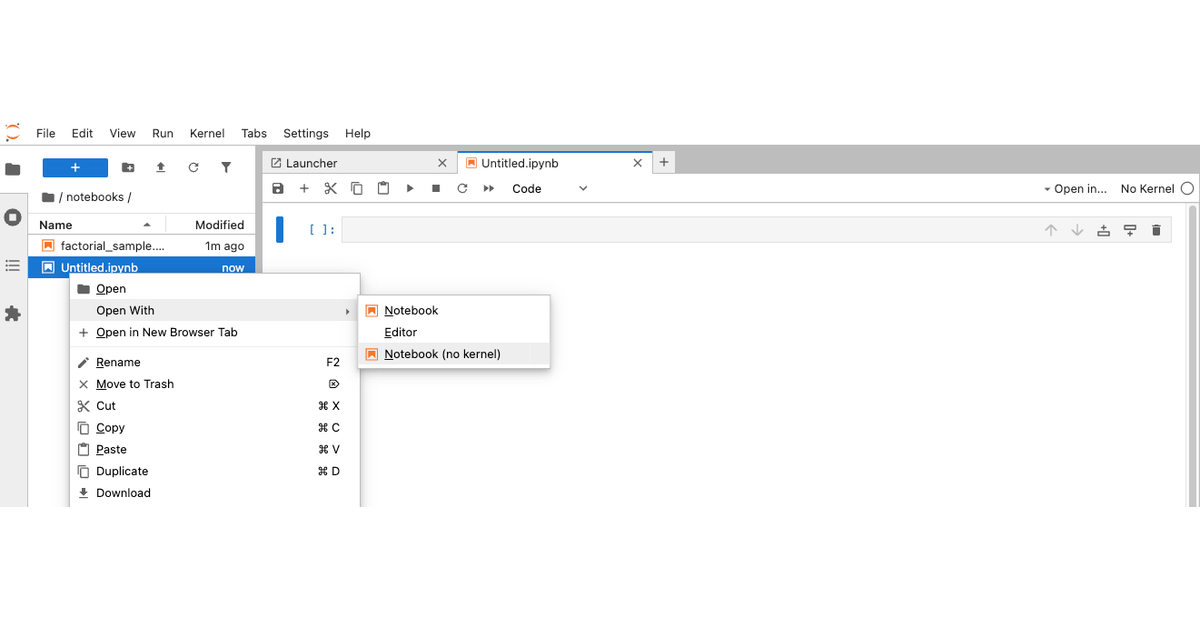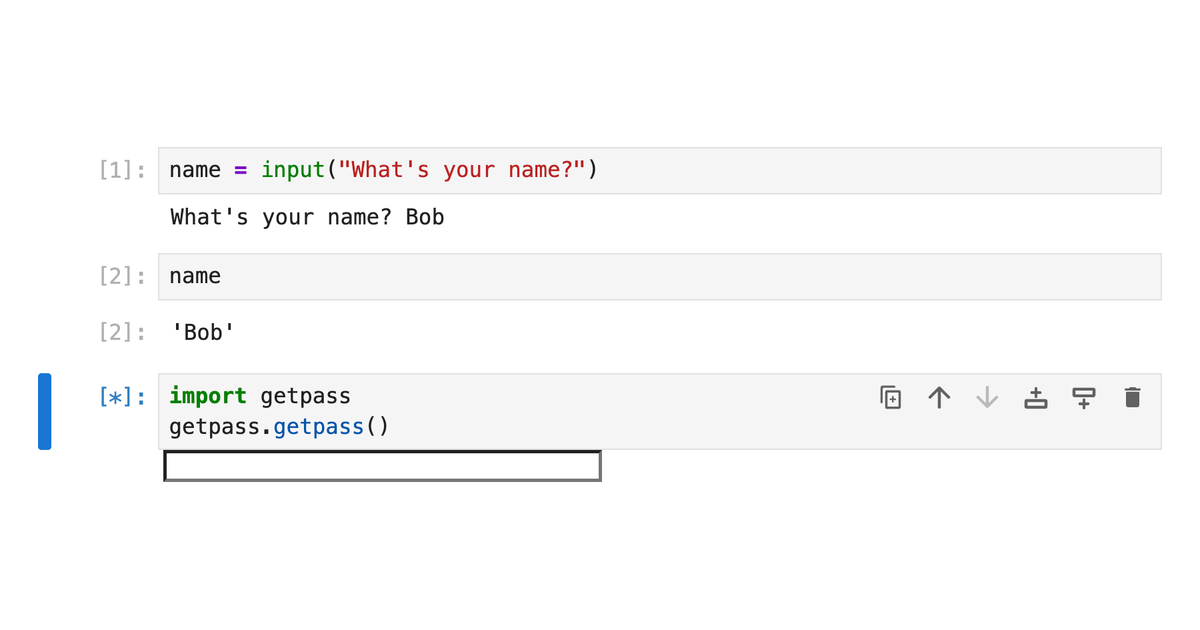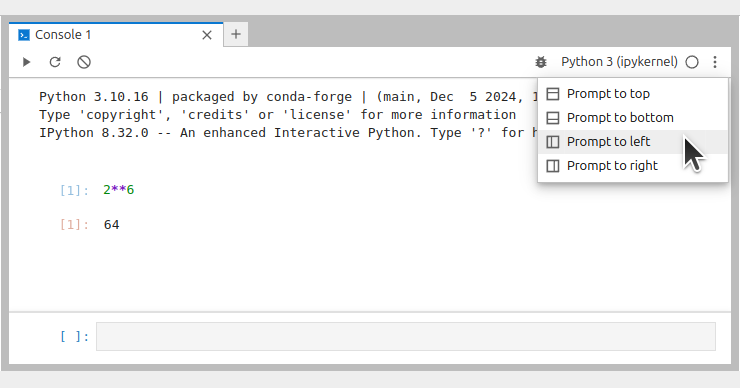
JupyterLite 0.8 is released! 🎉
JupyterLite is a Jupyter distribution that runs entirely in the web browser without any server components. Deployment and hosting are easy as JupyterLite sites are just static websites.


JupyterLite is a Jupyter distribution that runs entirely in the web browser without any server components. Deployment and hosting are easy as JupyterLite sites are just static websites.
We are thrilled to announce that JupyterLite is now an official part of Project Jupyter. This milestone marks a significant step forward for interactive computing in the browser and strengthens JupyterLite’s role within the Jupyter ecosystem.
JupyterLite is a Jupyter distribution that runs entirely in the web browser without any server components. Deployment and hosting are easy as JupyterLite sites are just static websites.
JupyterLab 4.5 has been released! This new minor release of JupyterLab includes 51 new features and enhancements, 81 bug fixes, 44 maintenance tasks and 38 documentation improvements. There were 51 contributors to this release.
JupyterLite 0.6.0 includes a number of new features, bug fixes, and enhancements and significant improvements to the user interface.
JupyterLab 4.4 has been released! This new minor release of JupyterLab includes 28 new features and enhancements, 76 bug fixes, 63 maintenance tasks and 34 documentation improvements. There were 56 contributors to this release.
JupyterLab 4.3.0 has been released! This new minor release of JupyterLab includes 1 new feature, 42 enhancements, 62 bug fixes, 48 maintenance tasks and 35 documentation improvements. There were 38 contributors to this release including 18 new contributors to JupyterLab.
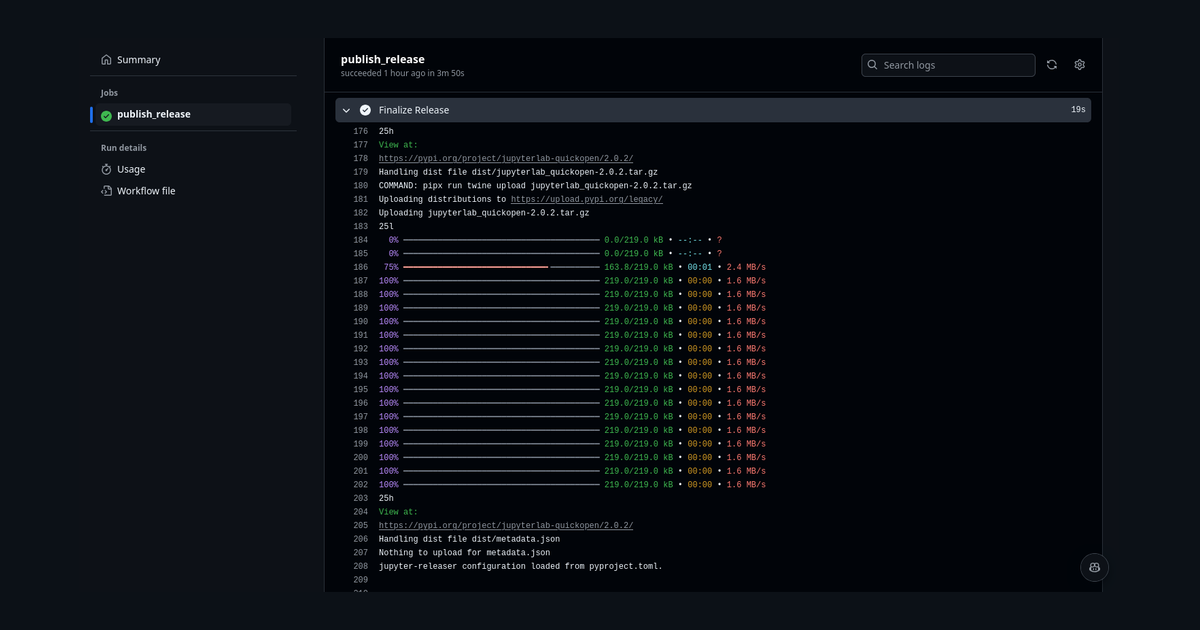
Jupyter Releaser is a tool developed by the Jupyter team to streamline and standardize the release process across Jupyter projects.
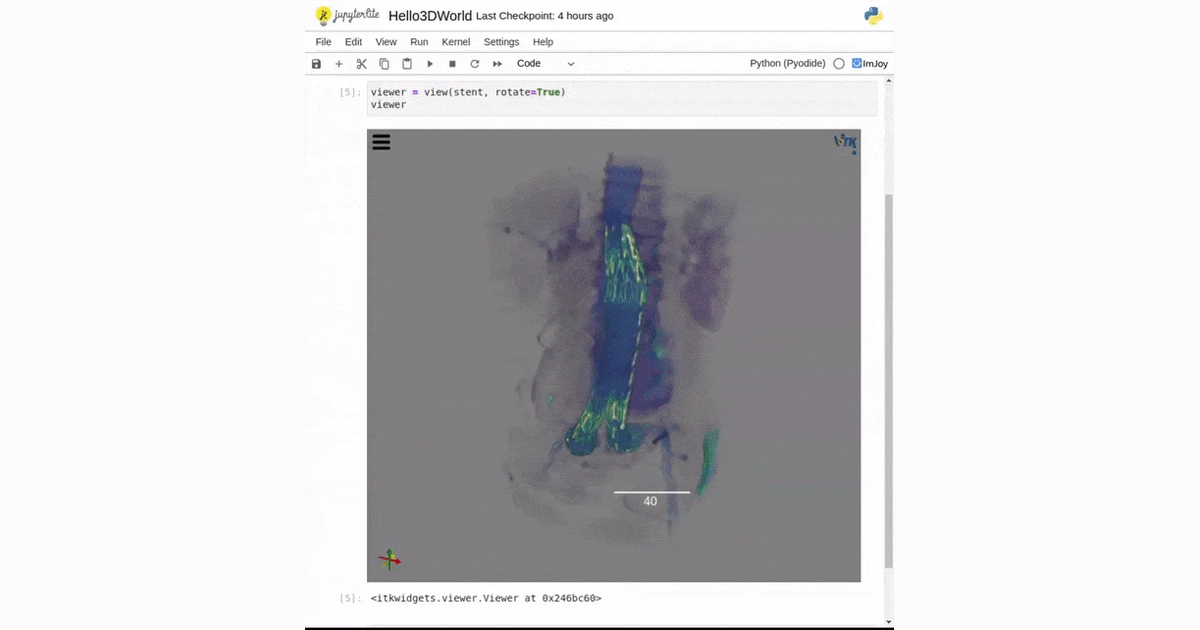
A tutorial that demonstrates a zero-server, interactive 3D rendering notebook and walks through the quick and easy configuration that can be customized to your needs.
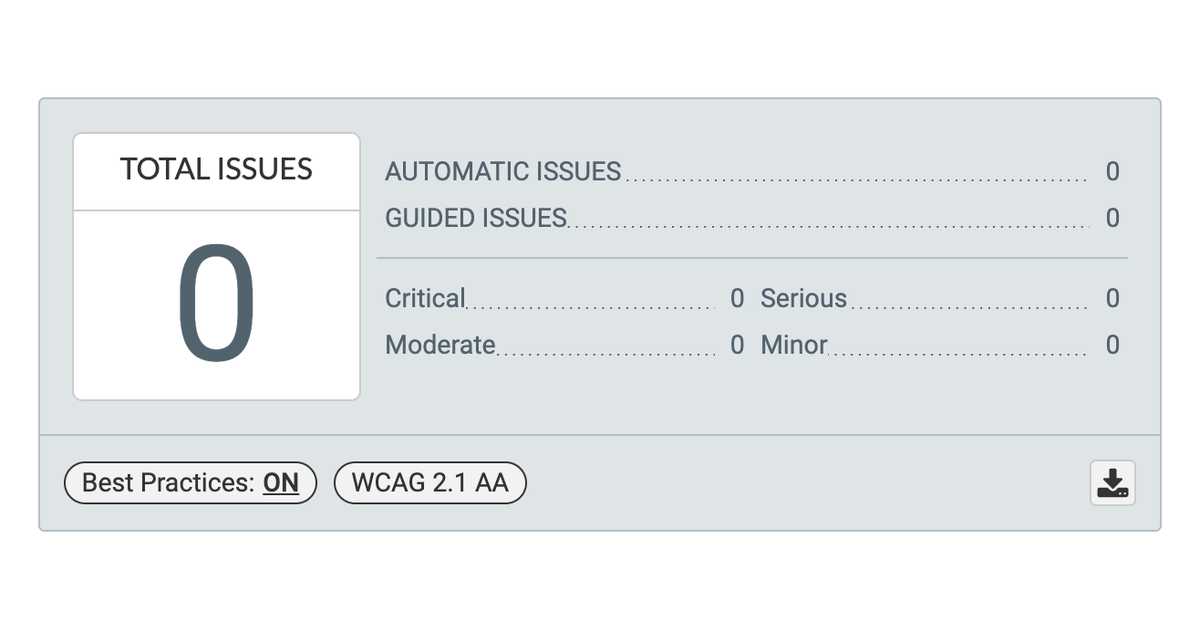
Towards a more accessible Jupyter notebook
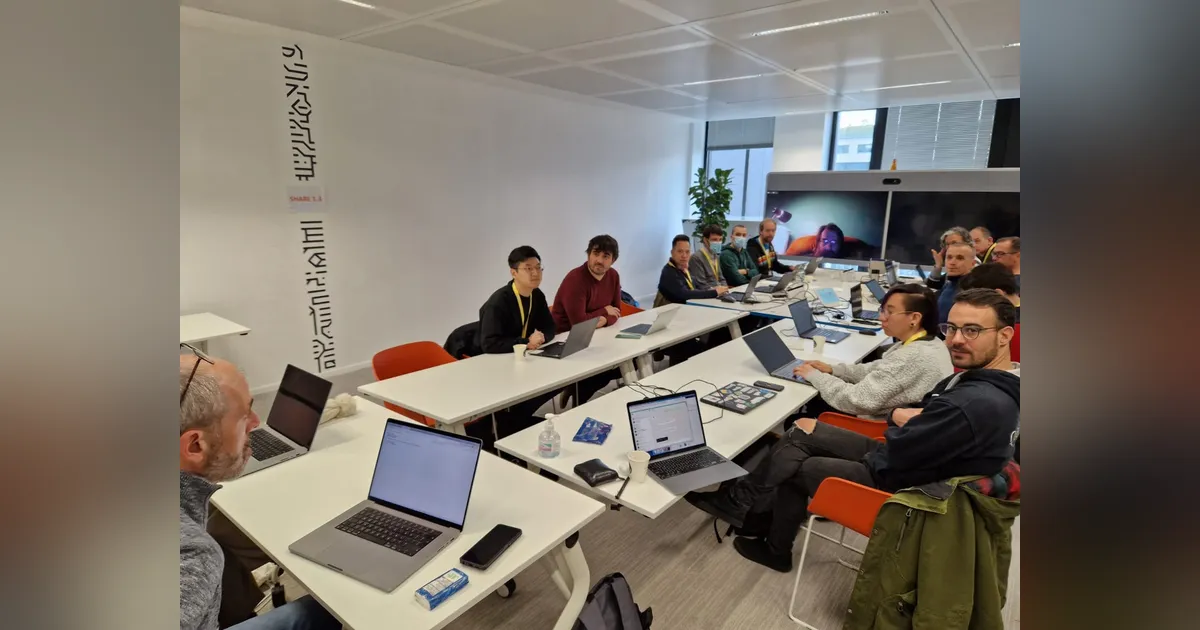
The JupyterLite Community Workshop, held at the OVHcloud headquarters in Paris, France from December 7th to December 9th, 2022, brought together a group of developers, educators, and data scientists to discuss the latest advancements in the Jupyter and Python in the browser ecosystems.
Easily embed a console, a notebook, or a fully-fledged IDE on any web page.
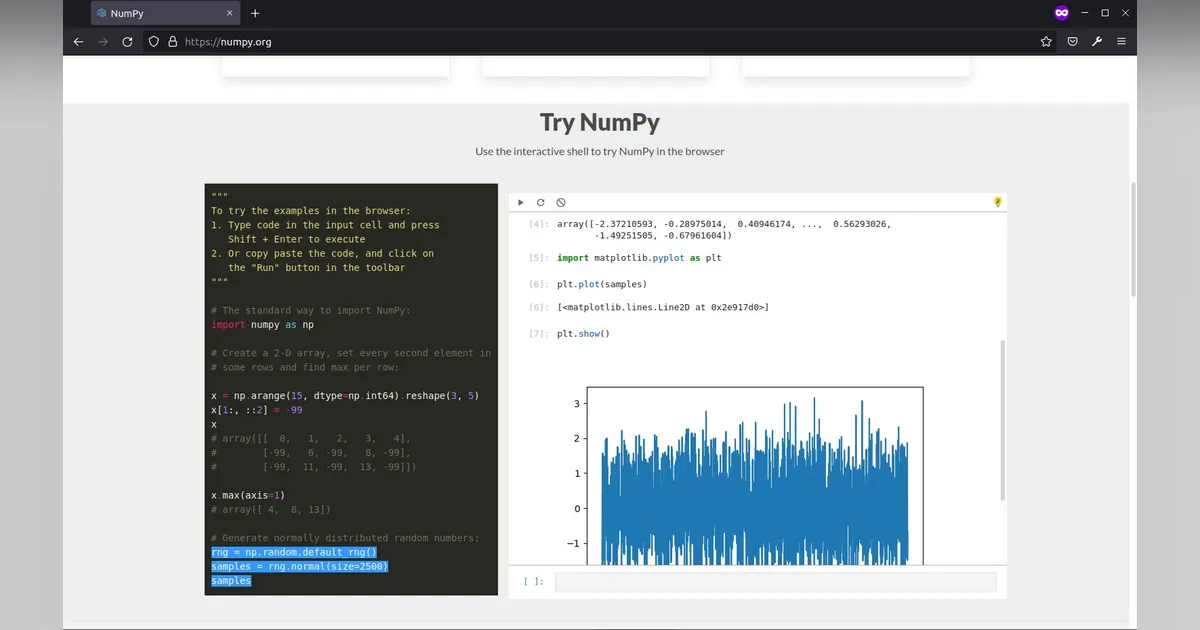
JupyterLite is a JupyterLab distribution that runs entirely in the web browser, backed by in-browser language kernels.
RetroLab is an alternative JupyterLab distribution, built from the ground-up, providing a notebook interface with a retro look and feel.
Project Jupyter offers a complete suite of open-source tools for the scientific computing community, reaching from the exploratory phase of a project to the presentation of the results.
The 3.0 release of JupyterLab brings many new features to users and substantial improvements to the extension system.
Jupyter has been a great choice for education for many years. The Jupyter Notebook has become one of the most popular tools to conduct workshops, tutorials, and teach online classes.
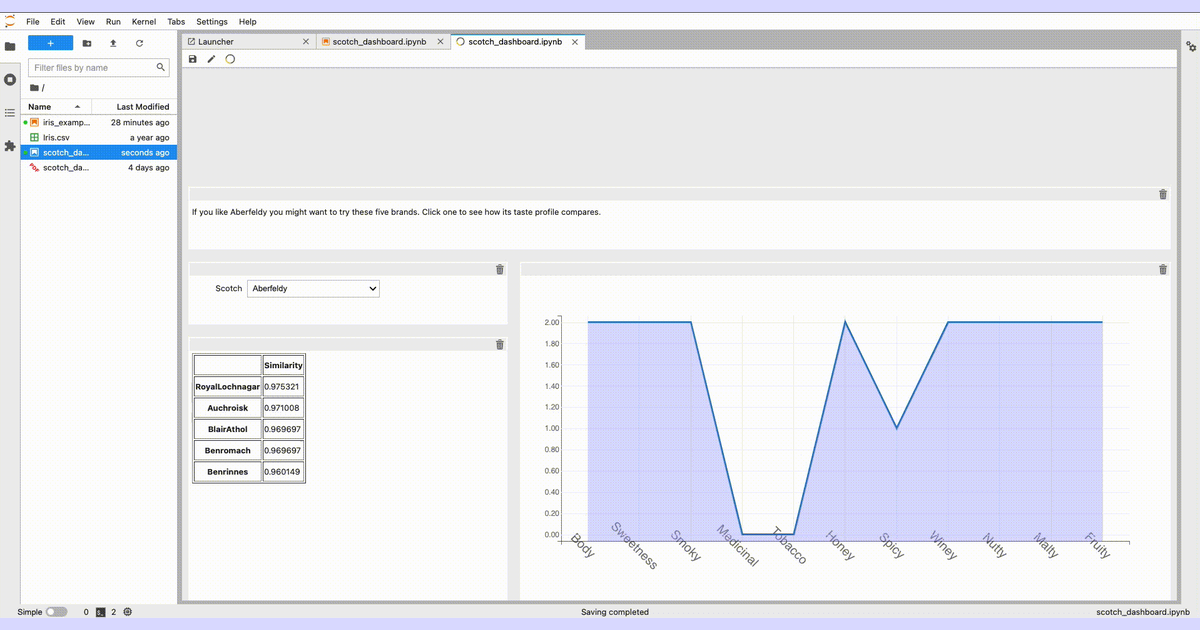
Voilà is one of the latest addition to the Jupyter ecosystem and can be used to turn notebooks into standalone applications and dashboards.