It's the journey that counts: roadmapping efforts in JupyterHub
Taking stock of JupyterHub’s roadmapping efforts so far.


Taking stock of JupyterHub’s roadmapping efforts so far.
JupyterHub is a collection of tools that provides standardized, user-friendly computing environments for education and research. Today, we’re pleased to announce the release of JupyterHub 6.0. This is a substantial release with several new features.
In February, the mybinder.org service will start tracking the “origin” of requests that launch a Binder session. The website that created a request to mybinder.org will be visible in the Binder analytics archive.
Funding is running out for the largest member of mybinder.org, which has been sponsored by the Google Open Source Program Office. gke.mybinder.org will shut down and there will be a reduction in capacity at the end of April, 2023 (end of this week).
This week, we are deploying some updates to repo2docker, the image-building tool that underpins mybinder.org. This may affect your repos. Please get in touch if you have problems!
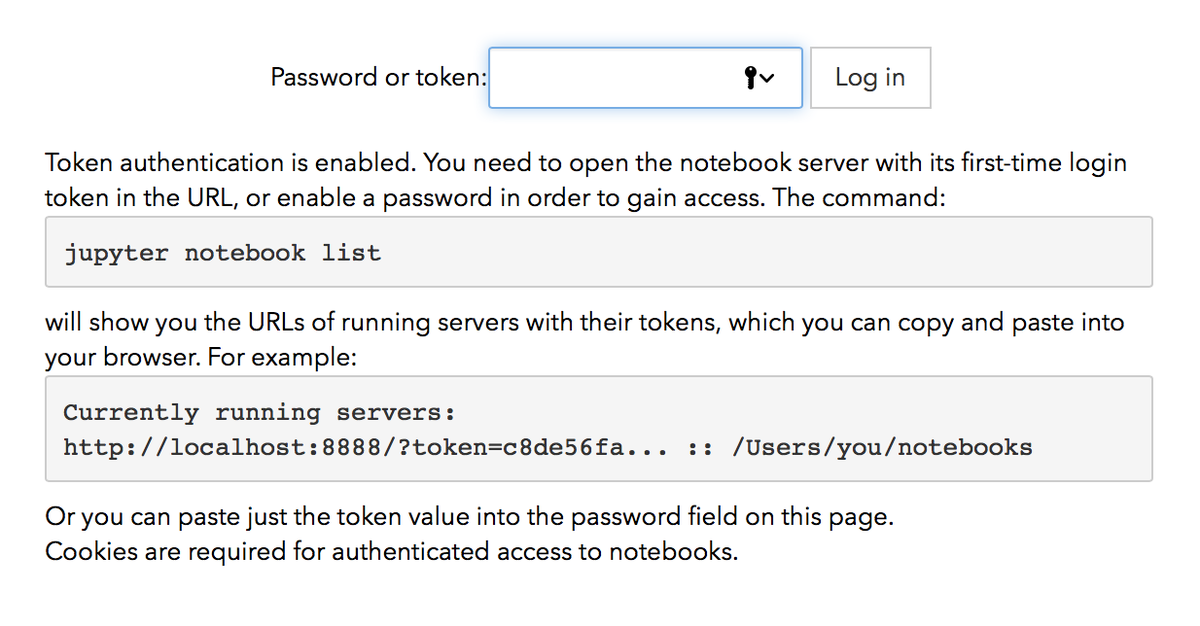
We are aware of ransomware attacks specifically targeting Jupyter servers.
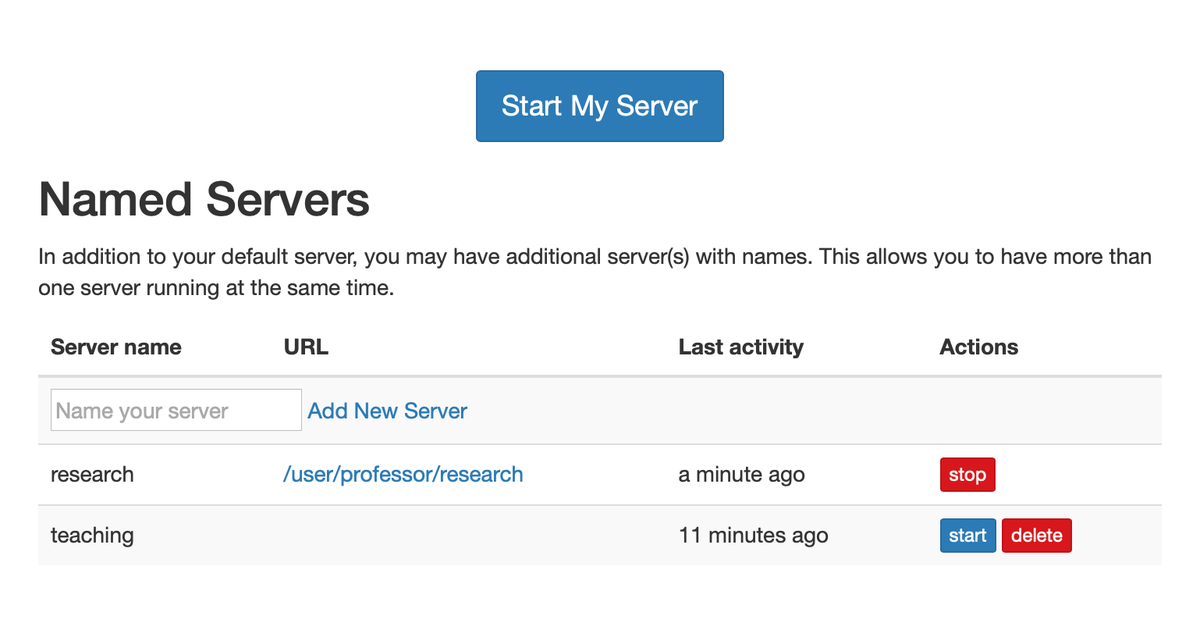
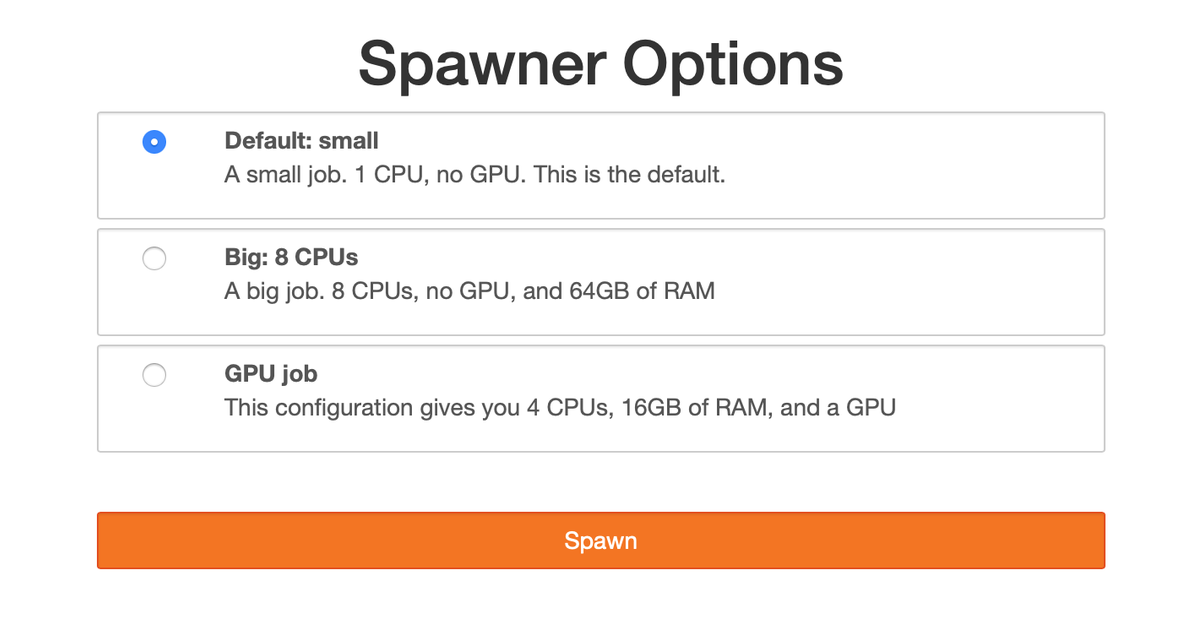
Hubs and roles and scopes, oh my!
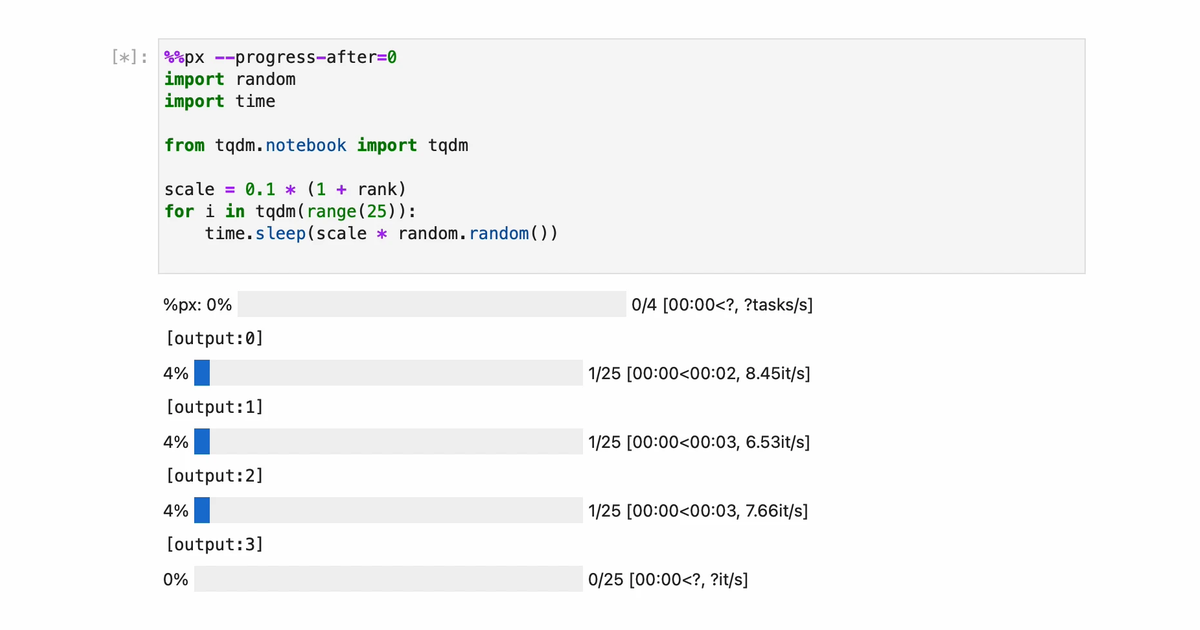
Updates on IPython Parallel; new features, future direction
nbviewer has moved from Rackspace to OVHcloud. That means moving from Docker to Kubernetes+Helm.
Today, we are pleased to announce the 1.0 release of JupyterHub. We’ve come a long way since our first release in March, 2015. There are loads of new features and improvements covered in the changelog, but we’ll cover a few of the highlights here.
Update: notebook 5.7.7 and JupyterHub 0.9.5 contained incomplete fixes for this issue. 5.7.8 and 0.9.6 are released with more complete fixes.
We have just released Jupyter notebook 5.7.6 with a security fix for a cross-site inclusion (XSSI) vulnerability, where content from a Jupyter server could be included in another page if the visitor is logged in to the Jupyter server and the author of the page knows the URL of the server and the…
We’ve just released version 0.8 of the jupyterhub helm chart.
Two security issues have been found and fixed this week, where untrusted javascript could be executed if malicious files could be delivered to the users system and the user takes specific actions with those malicious files.
We have just released Jupyter Notebook 5.6.0. This release fixes a vulnerability that could allow a maliciously crafted notebook to execute JavaScript when it is opened, bypassing the trusted-notebook mechanism.
We are pleased to announce the latest release of JupyterHub. JupyterHub is the multi-user server for Jupyter notebooks, allowing students or researchers to have their own workspace. This release has lots of improvements, especially for stability and performance with large numbers of users.
This vulnerability has been assigned CVE-2018-7206
tl;dr: don’t disable notebook authentication!
We are pleased to announce the release of JupyterHub 0.8. This is a big release with many fixes and improvements, and some major changes.
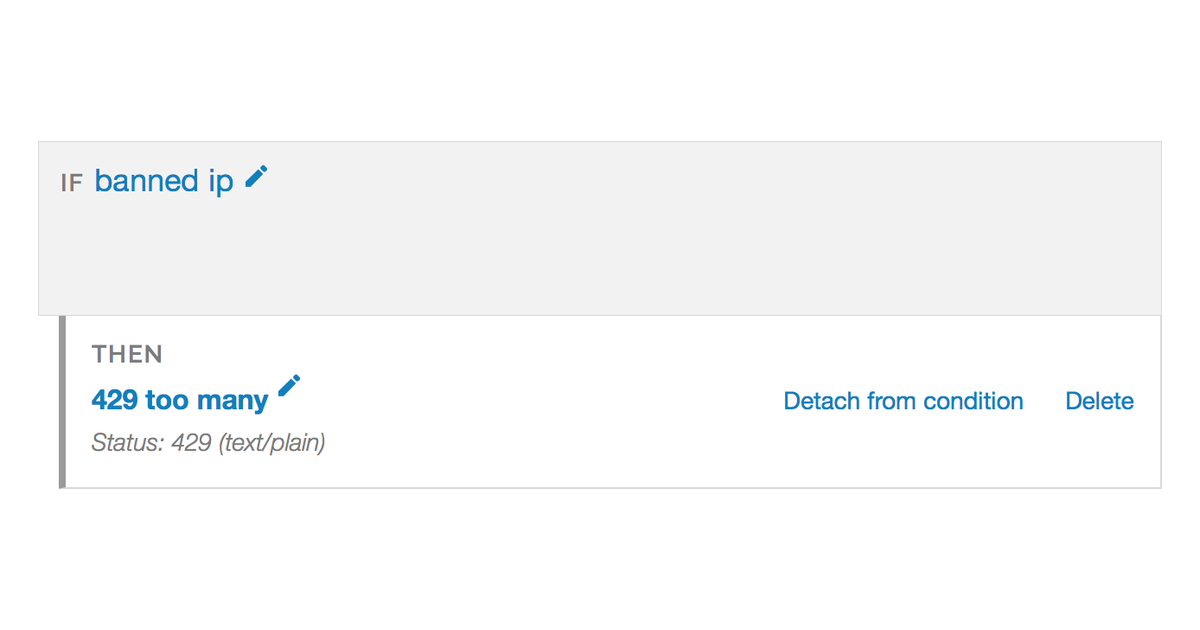
It turns out that some overzealous SEO bots were eating up all of our resources. Last week, we discovered this cause of the API rate limit exhaustion and took a few actions to resolve it.
We have just released Jupyter Notebook 4.3.0 and 4.3.1 with some important security fixes.
The LoOPS network, DevLog and OpenDreamKit are organising a day for the various tools available in the Jupyter environment.
TL;DR: upgrade to notebook 4.2.2
We have just released version 4.2 of the Jupyter Notebook. The Jupyter Notebook is a web application that allows you to create and share documents that contain live code, equations, visualizations and explanatory text (see the Jupyter project home page for more information).