
Jupyter Blog · Page 5

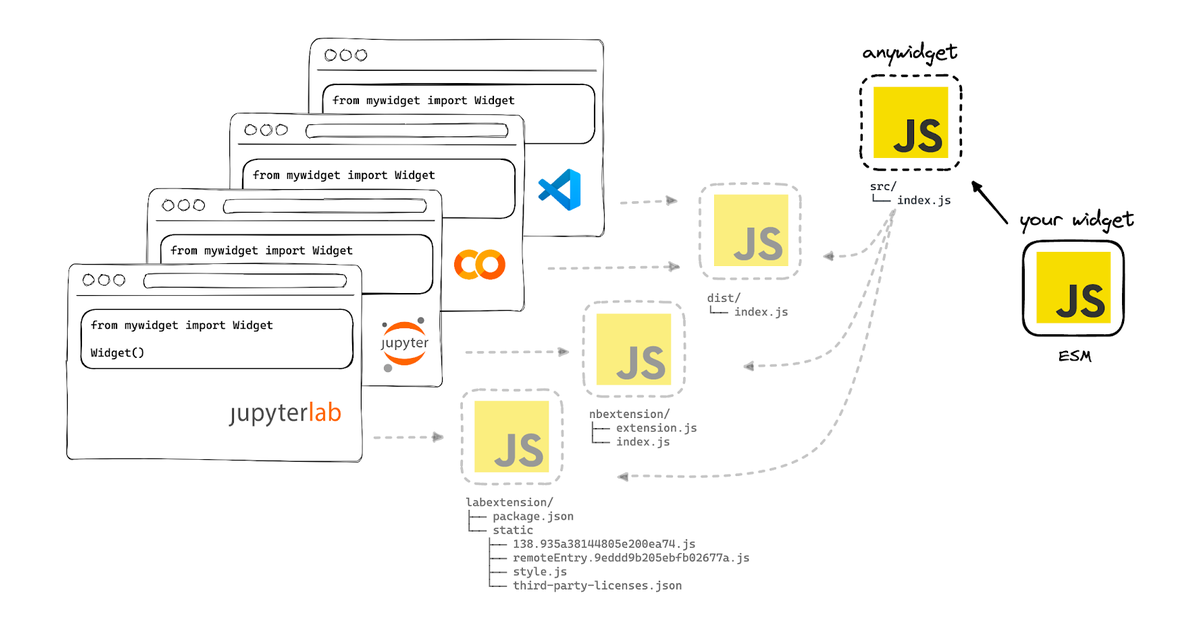
Plug your application into the Jupyter world

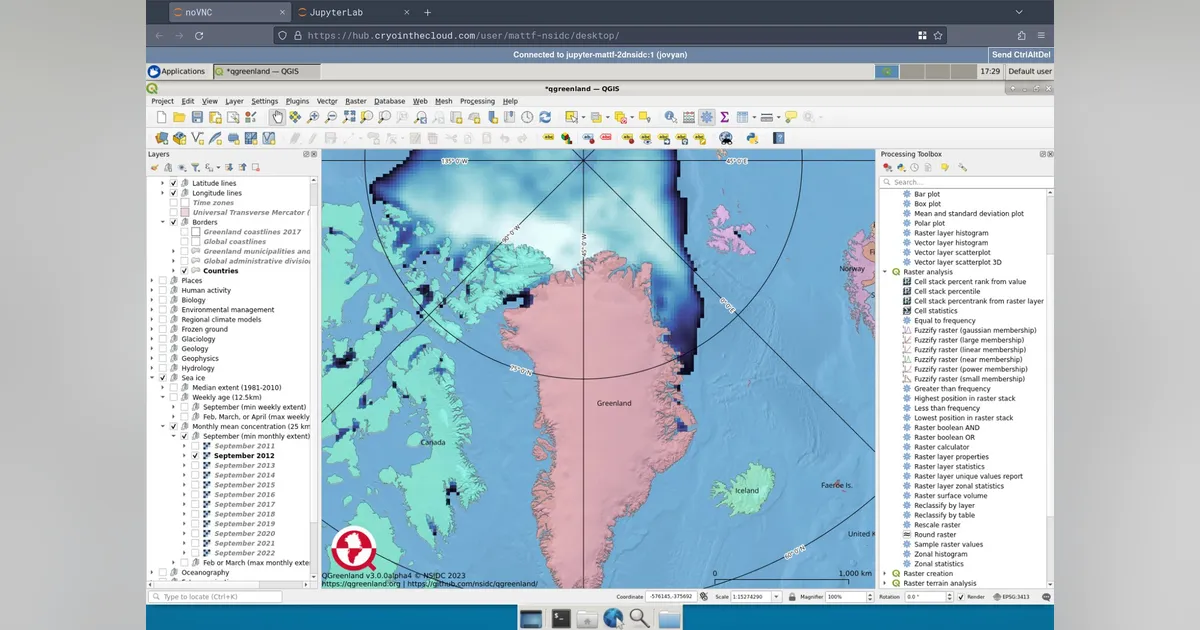
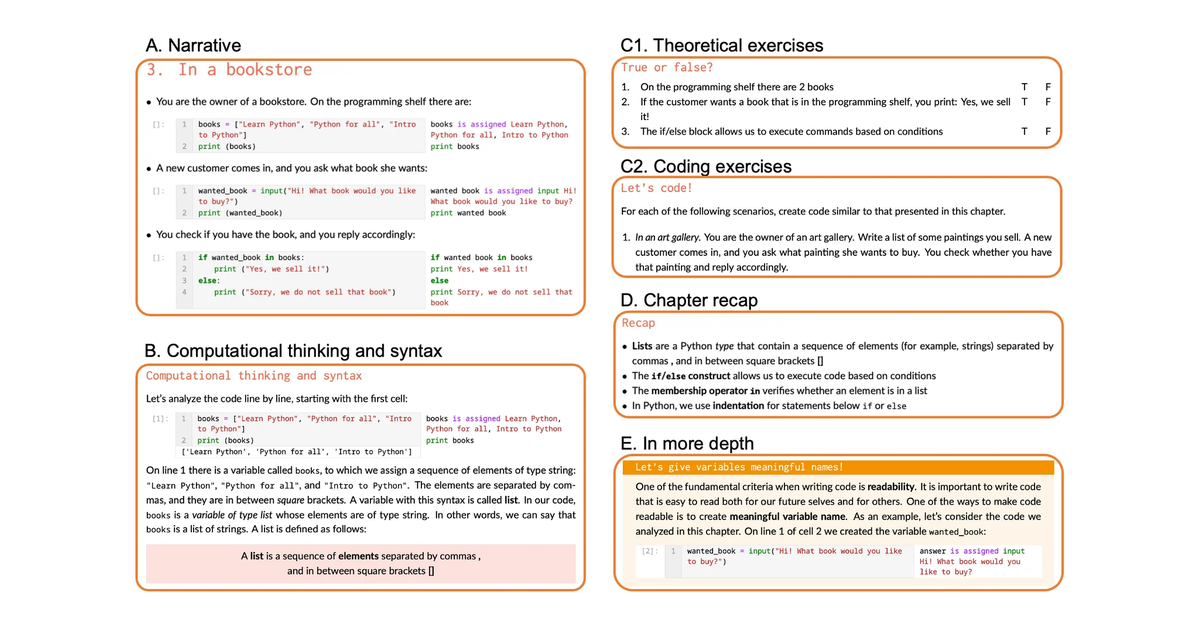
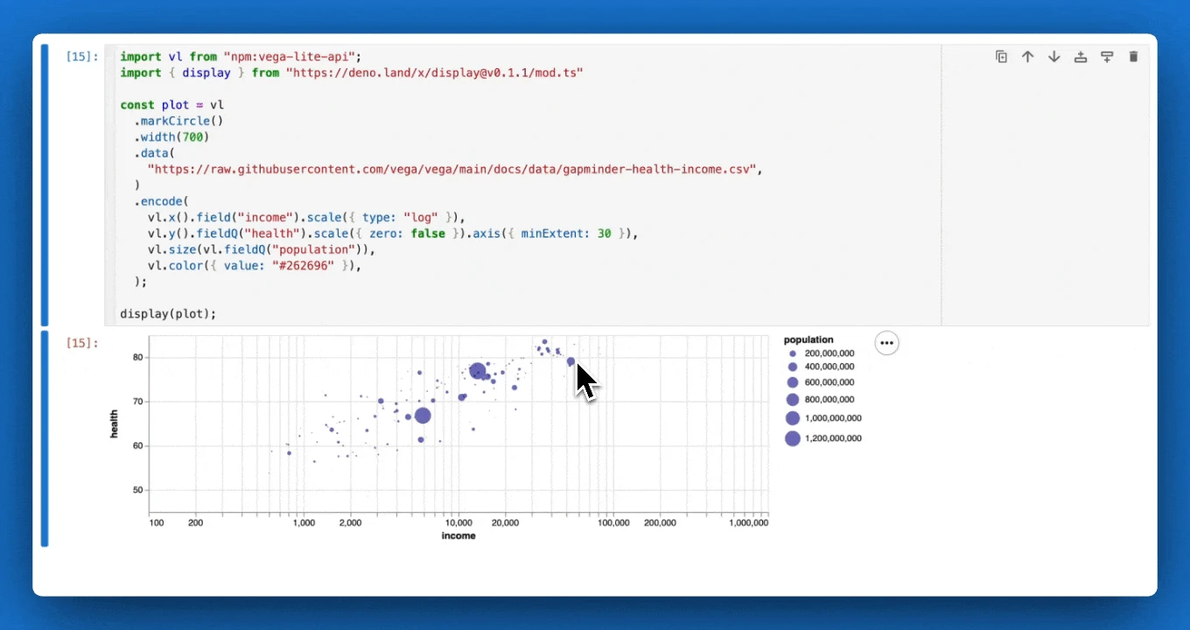
Kernels are a simple but powerful abstraction in the Jupyter architecture. They encapsulate language interpreters and make them accessible through a standardized interface. This is the key to Jupyter’s remarkable versatility, with over 100 supported languages.
· David Brochart

kernels xeus

Voilà 0.5.0: Homecoming

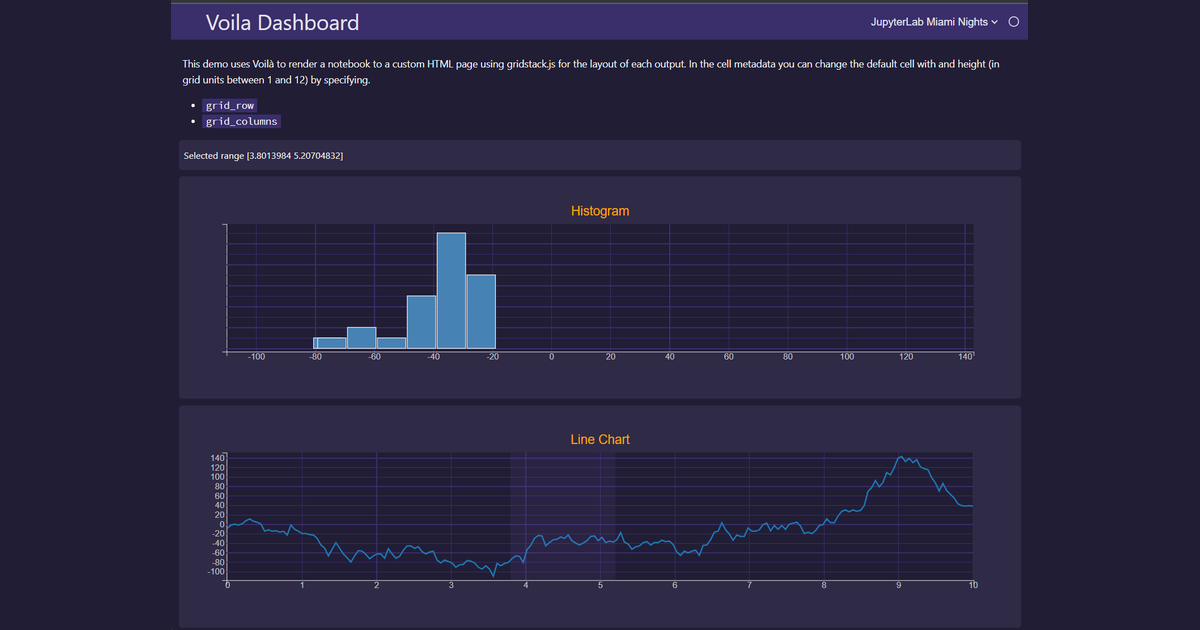
Voilà turns Jupyter notebooks into standalone web applications and dashboards. It provides a simple way for Jupyter users to share their work. For a detailed introduction to Jupyter’s Voilà subproject, you can check out this earlier blog post.

· Duc Trung Le

dashboards releases Voilà

Announcing Jupyter Notebook 7

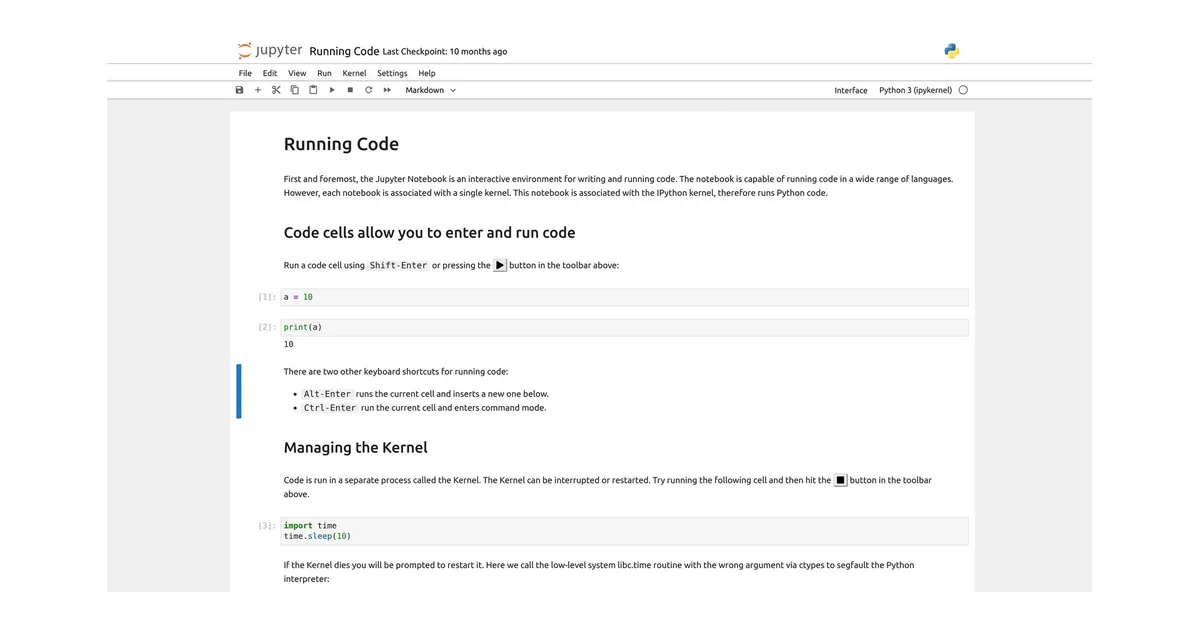
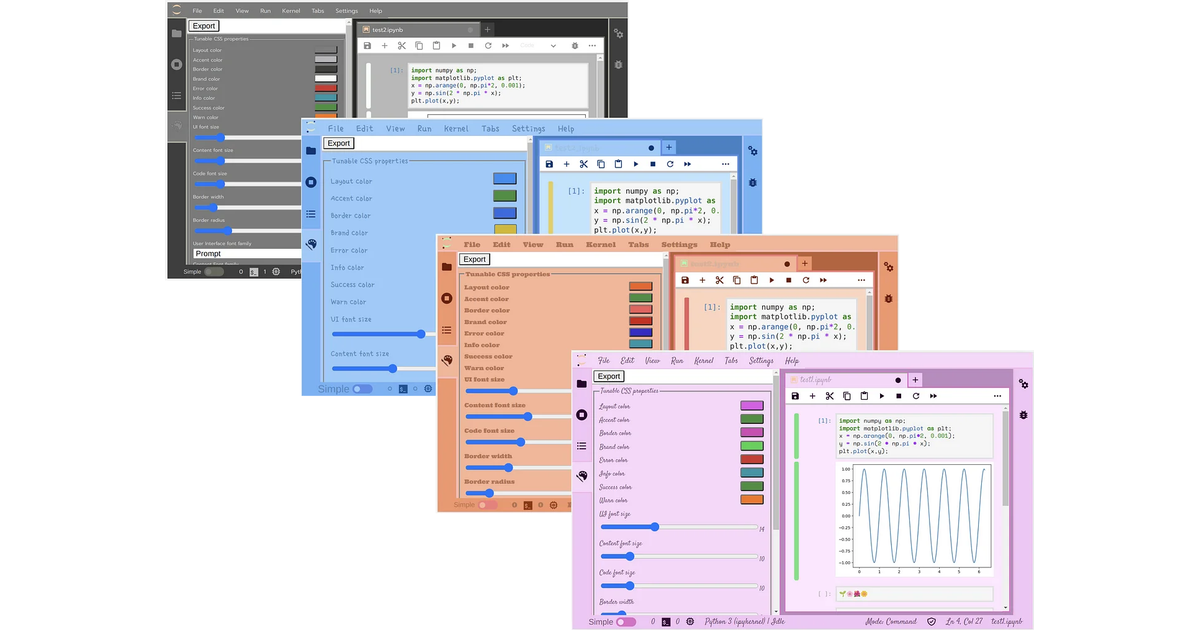
Jupyter Notebook 7 is the most significant release of the Jupyter Notebook in years. Some highlights of this release include real-time collaboration, interactive debugging, table of contents, theming and dark mode, internationalization, improved accessibility, compact view on mobile devices.

· Project Jupyter

Jupyter Notebook releases

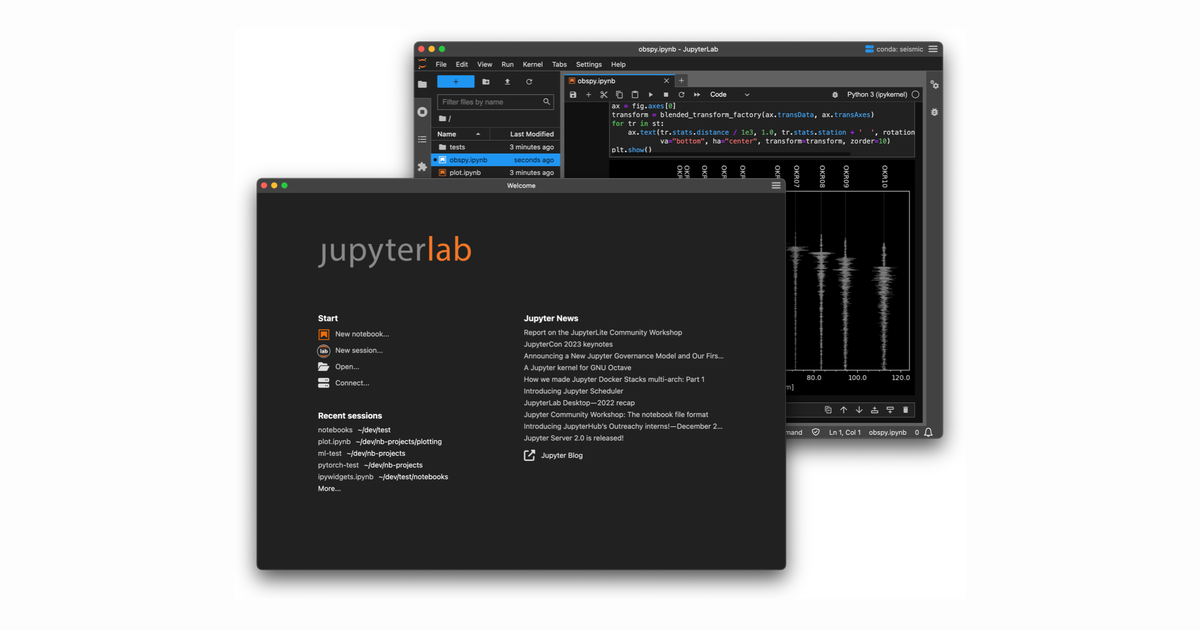
JupyterLab 4.0 is Here

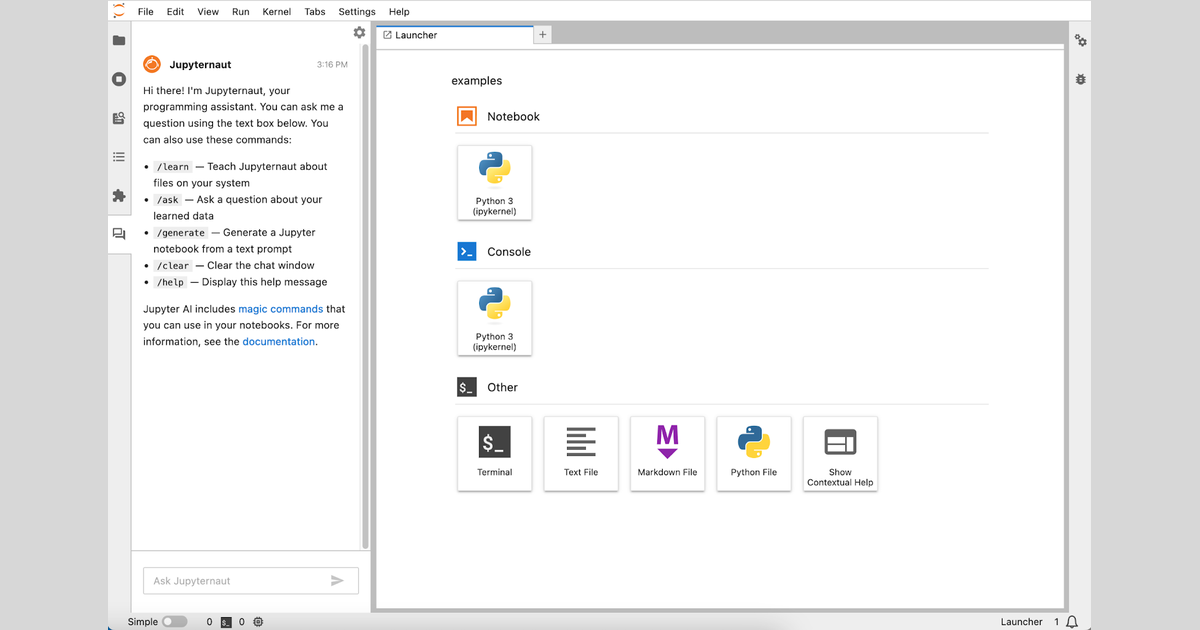
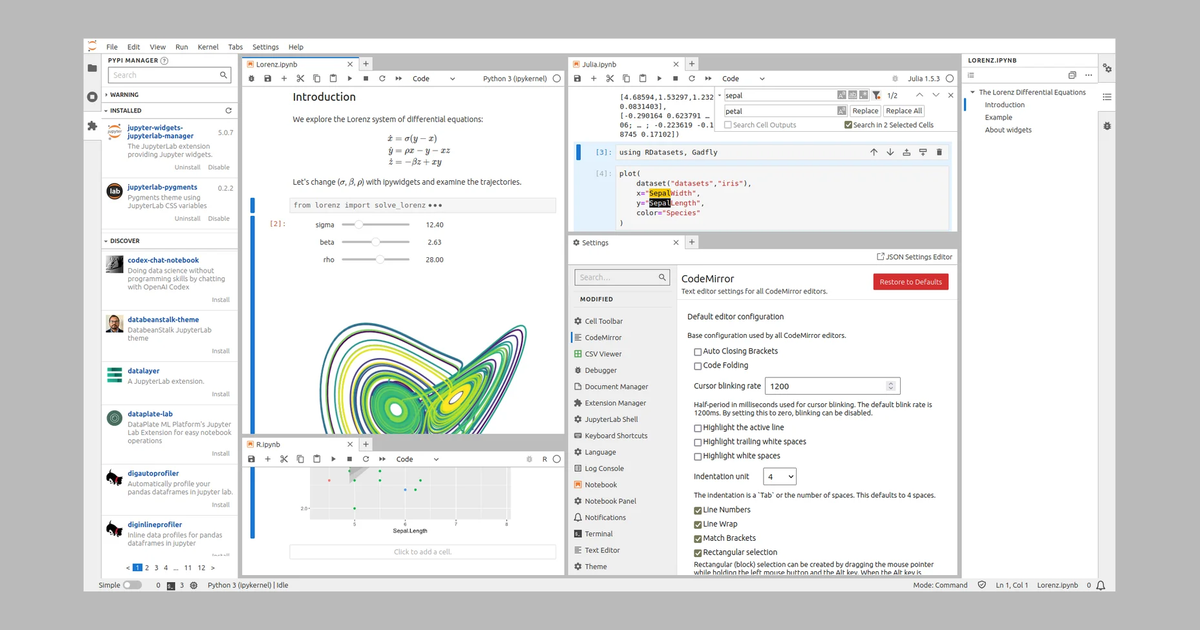
The Jupyter contributor community is proud to announce JupyterLab 4.0, the next major release of our full-featured development environment. The package is now available on PyPI and conda-forge. You can upgrade by running pip install --upgrade jupyterlab or conda install -c conda-forge jupyterlab.

· Jason Weill

JupyterLab releases

Mybinder.org reducing capacity

Funding is running out for the largest member of mybinder.org, which has been sponsored by the Google Open Source Program Office. gke.mybinder.org will shut down and there will be a reduction in capacity at the end of April, 2023 (end of this week).

· Min RK

Binder