Jupyter for Science User Facilities and High Performance Computing
Jupyter is the “Google Docs” of data science. It provides that same kind of easy-to-use ecosystem, but for interactive data exploration, modeling, and analysis.


Jupyter is the “Google Docs” of data science. It provides that same kind of easy-to-use ecosystem, but for interactive data exploration, modeling, and analysis.
Today, we are pleased to announce the 1.0 release of JupyterHub. We’ve come a long way since our first release in March, 2015. There are loads of new features and improvements covered in the changelog, but we’ll cover a few of the highlights here.
Update: notebook 5.7.7 and JupyterHub 0.9.5 contained incomplete fixes for this issue. 5.7.8 and 0.9.6 are released with more complete fixes.
Removing the single point of failure from your JupyterHub infrastructure with traefik, etcd and Outreachy
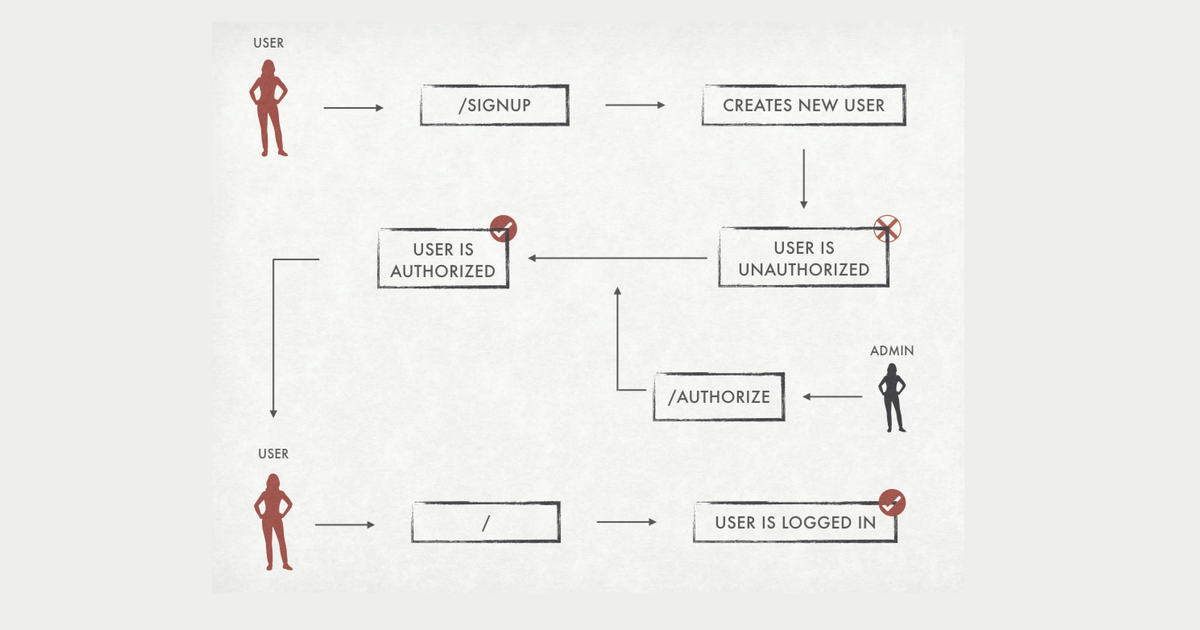
NativeAuthenticator adds traditional username / password based sign up, login, & user management features to JupyterHub.
We’ve just released version 0.8 of the jupyterhub helm chart.
Project Jupyter has accepted 2 interns through the Outreachy program, which supports open community members from under-represented backgrounds. Our Outreachy interns will work on important problems in the JupyterHub community with help from 2 mentors from December 2018 through March 2019.
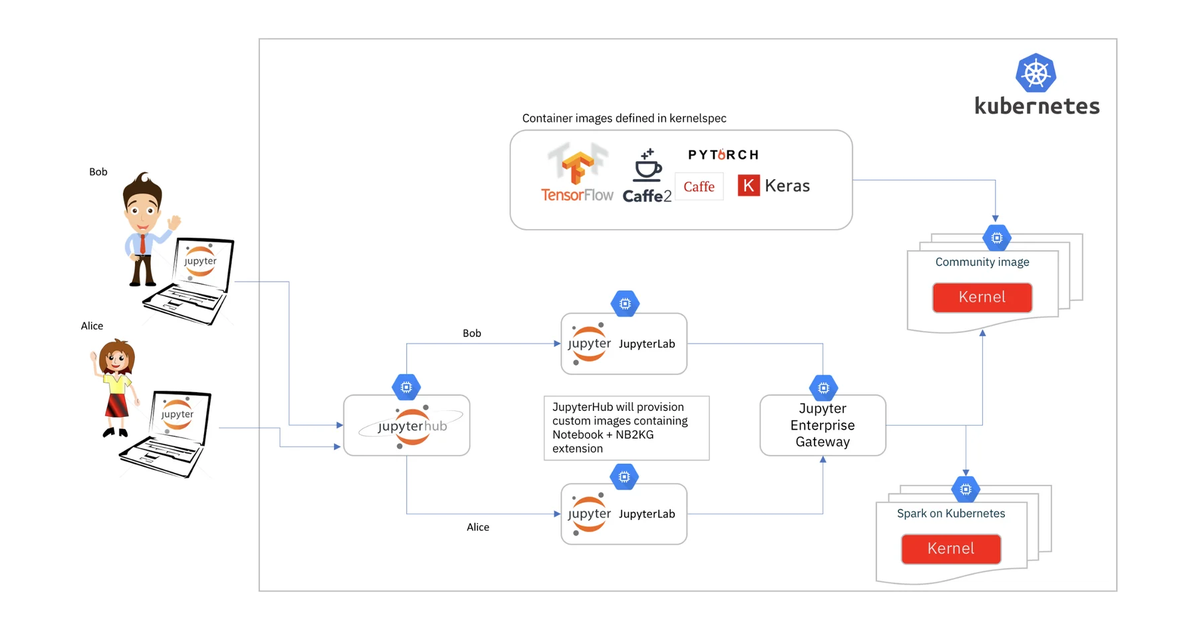
This article describes how to deploy multiple components from the Jupyter Notebook stack to provide an on-demand analytics platform powered by JupyterHub and Jupyter Enterprise Gateway on a Kubernetes cluster.
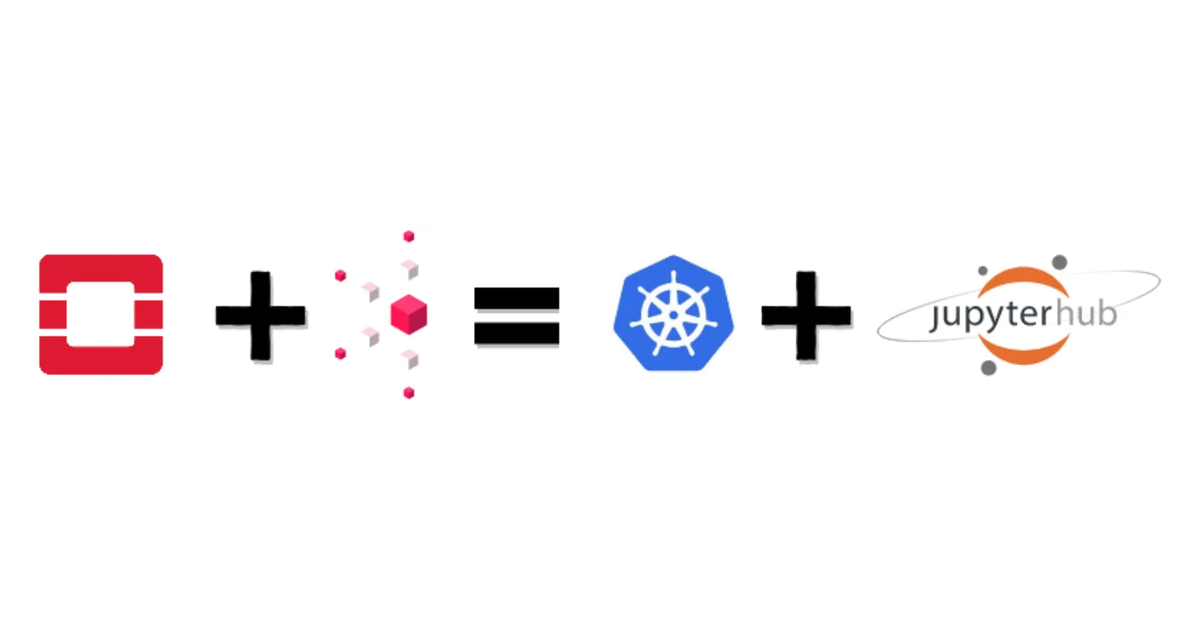
Jupyter is now widely used for teaching and research. The use of Kubernetes for deploying a JupyterHub has enabled reliable setups scaling to thousands of users.
We are pleased to announce the latest release of JupyterHub. JupyterHub is the multi-user server for Jupyter notebooks, allowing students or researchers to have their own workspace. This release has lots of improvements, especially for stability and performance with large numbers of users.
This vulnerability has been assigned CVE-2018-7206
JupyterHub makes it possible to serve Jupyter instances to multiple users. The JupyterHub Helm Chart makes it possible to run this setup on kubernetes, making JupyterHub more scalable, stable, and flexible.
We are pleased to announce the release of JupyterHub 0.8. This is a big release with many fixes and improvements, and some major changes.
The JupyterHub team proudly announces the release of a helm chart for deploying JupyterHub on Kubernetes clusters. We’ve designed the JupyterHub helm chart to save you time in creating JupyterHub deployments.