A slideshow template for Voilà apps
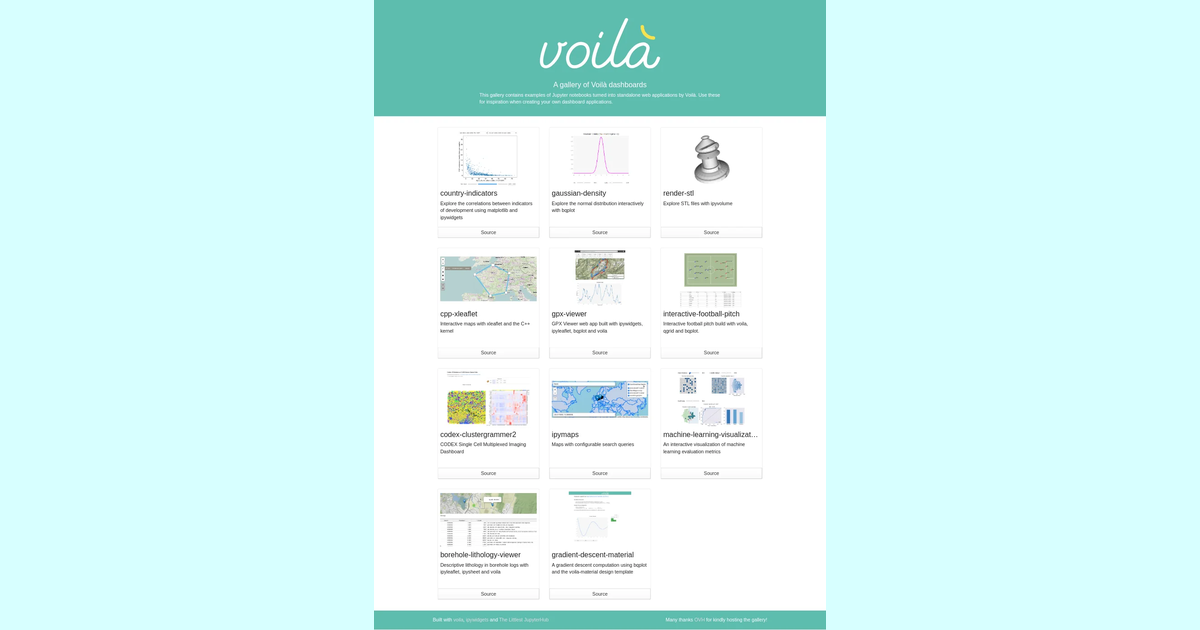
Voilà can now serve your interactive dashboards in a slideshow format.


Voilà can now serve your interactive dashboards in a slideshow format.
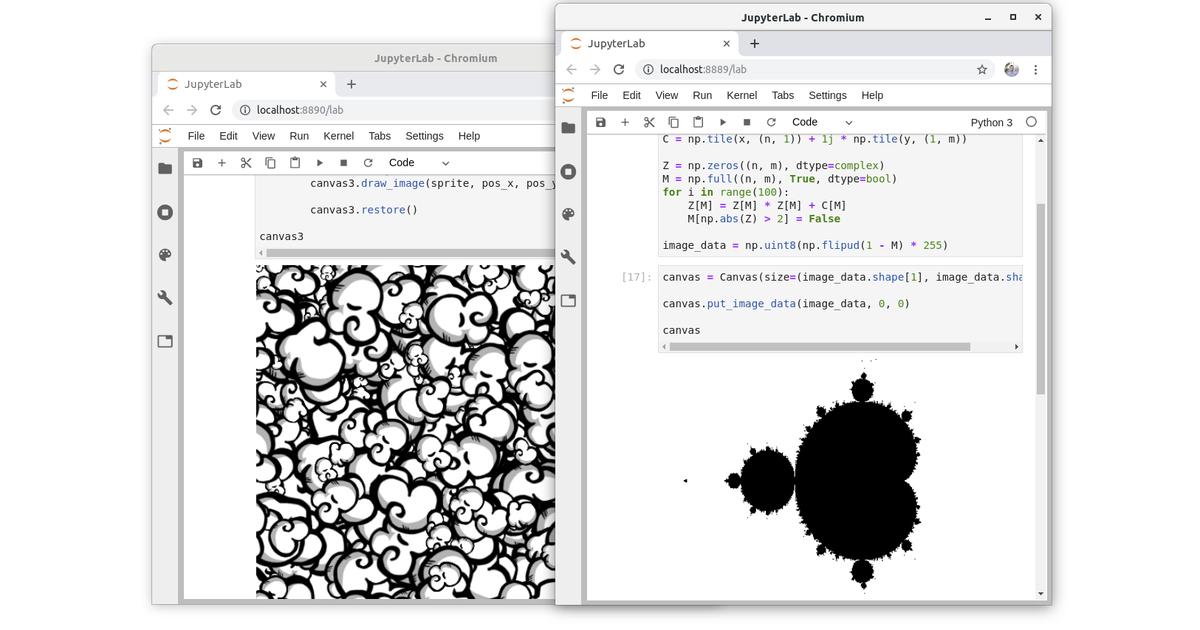
As you may already know, the Jupyter Notebook and JupyterLab are Browser-based applications. Browsers are incredibly powerful, they allow you to swap rich and interactive graphical interfaces containing buttons, sliders, maps, 2D and 3D plots and even video games in your webpages!
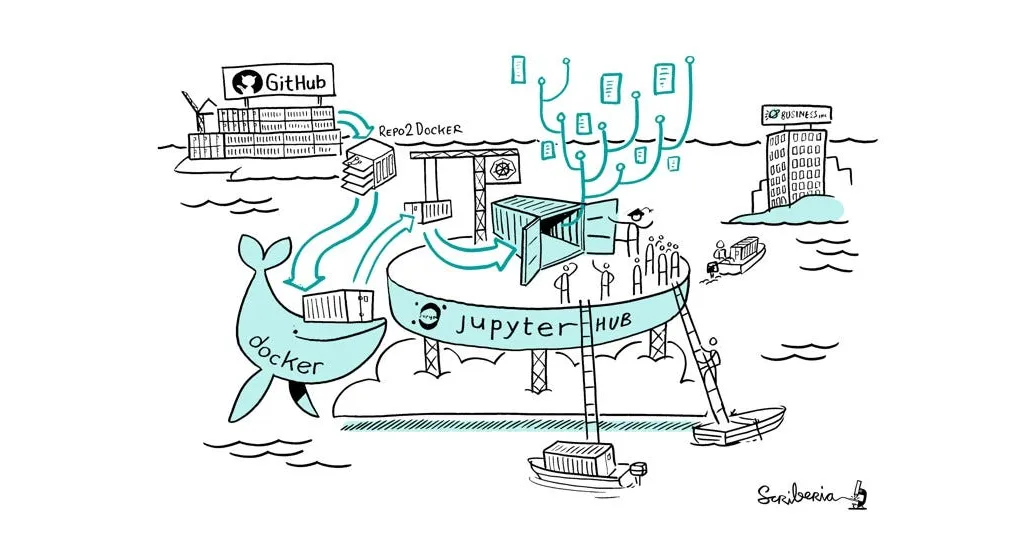
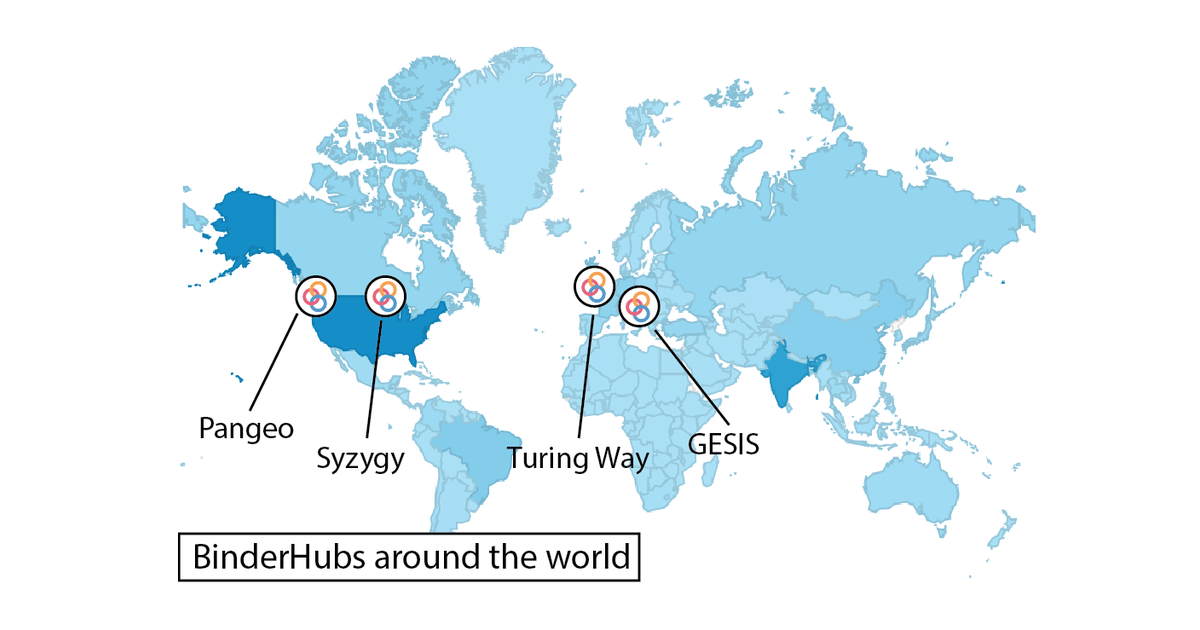
“Hi everyone, I’m Sarah! I’m a Research Data Scientist at the Alan Turing Institute and I’m also an operator of mybinder.org. It’s really cool seeing how many people here are interested in BinderHub!”
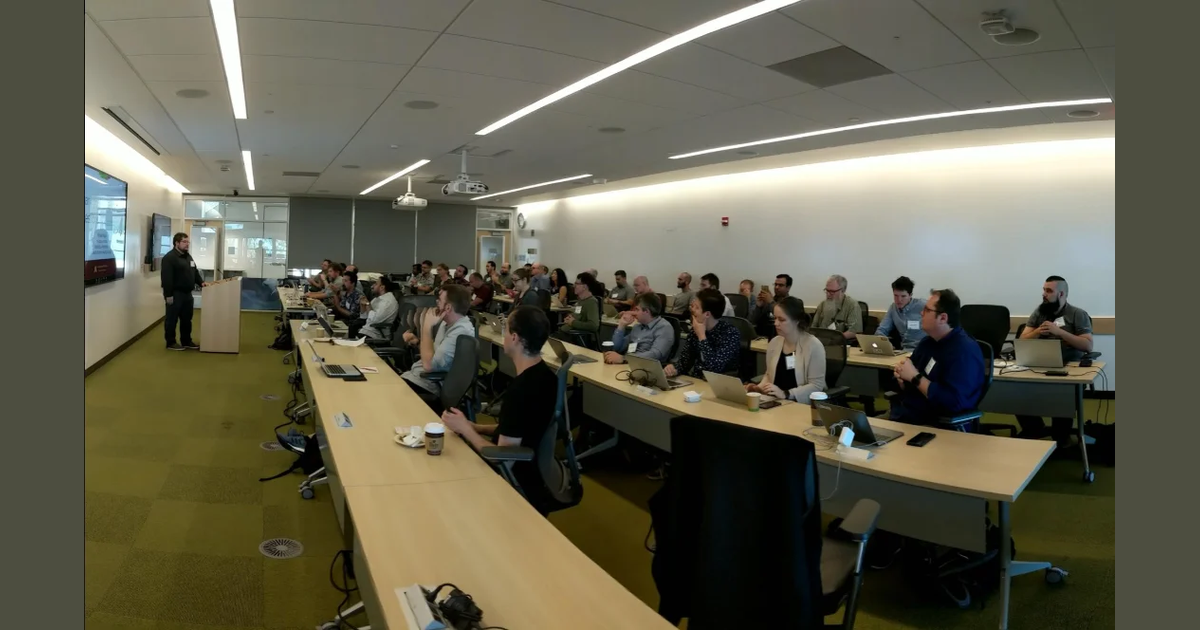
From May 27th to May 29th 2019, thirty developers from the Jupyter community met in Paris for a three-days workshop on the Jupyter kernel protocol.
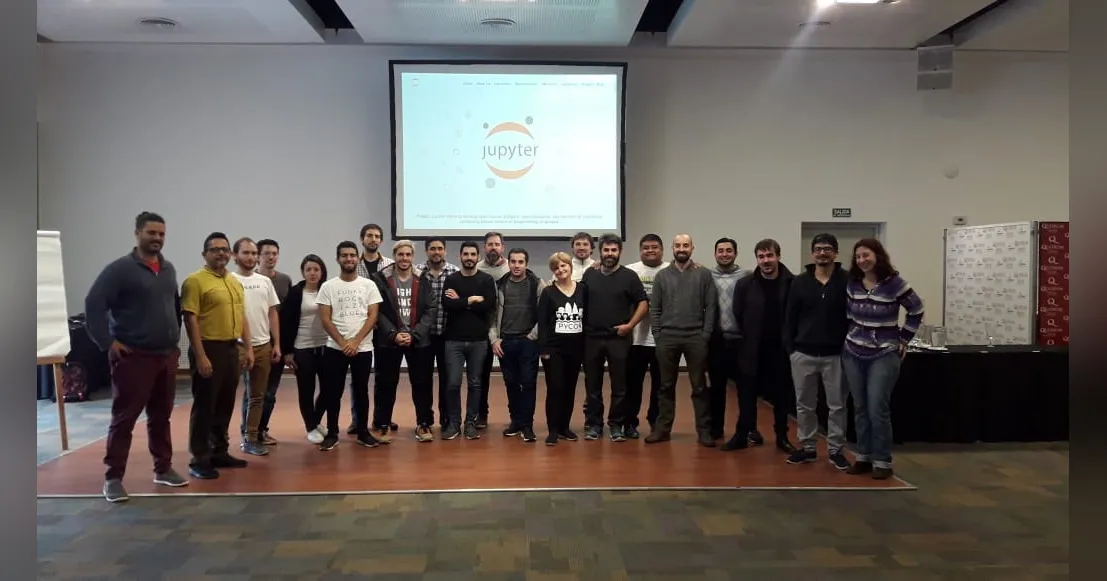
Earlier this summer a workshop to gather the Jupyter community in South America was held in Córdoba, Argentina, from Jun 22nd to Jun 23rd, 2019. We enjoyed the participation of contributors from different regions of Argentina, Chile, and Venezuela.
As Jupyter grew in popularity, a broad ecosystem of visualization packages based on Jupyter widgets has been developed, bringing even more interactivity to the Jupyter world.
We are thrilled to announce that the NSF is funding our EarthCube proposal “Jupyter meets the Earth: Enabling discovery in geoscience through interactive computing at scale” (pdf).
Delivering interactive computing to universities at a national scale with a Jupyter stack.
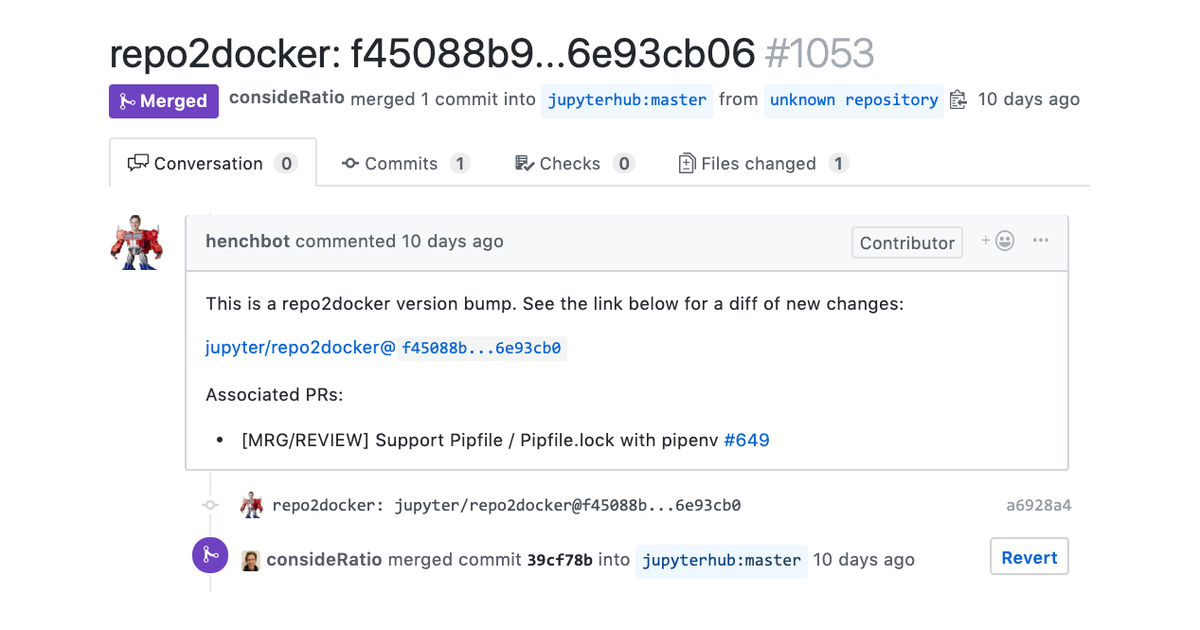
BinderHub and repo2docker are key components of the service at mybinder.org. In order to give Binder users the best experience, the Binder SRE team must continuously upgrade the version of these tools that mybinder.org uses.
A step-by-step guide for authoring language kernels with Xeus
Jupyter is the “Google Docs” of data science. It provides that same kind of easy-to-use ecosystem, but for interactive data exploration, modeling, and analysis.
Voilà is one of the latest addition to the Jupyter ecosystem and can be used to turn notebooks into standalone applications and dashboards.
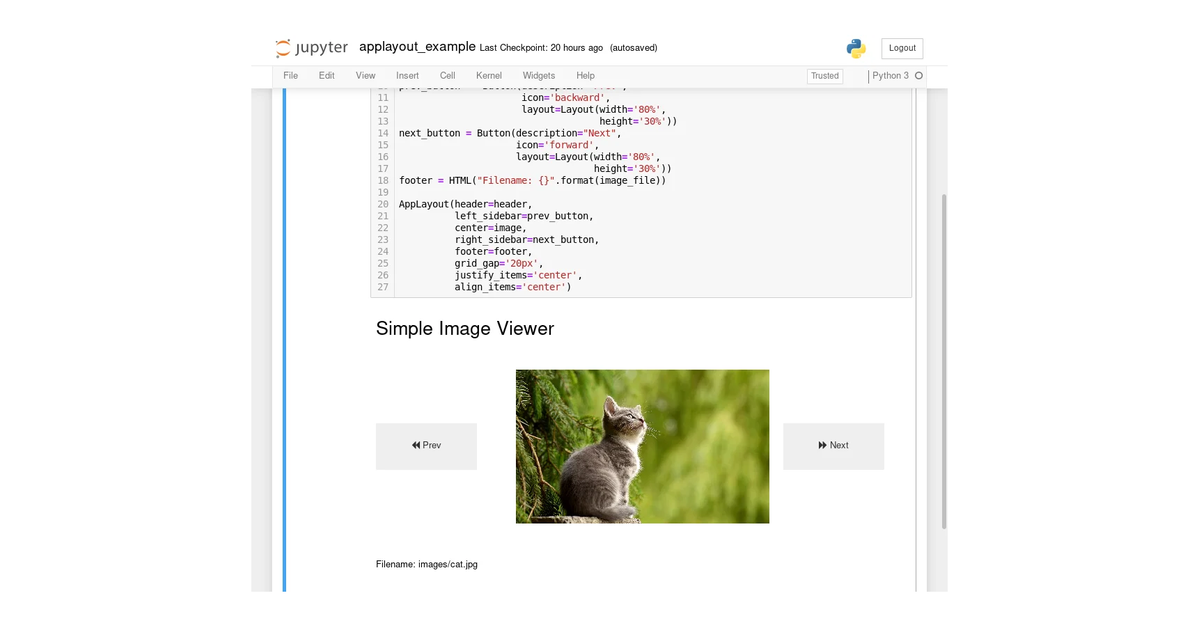
Creating complex layouts of widgets (button, sliders, maps, graphs etc.) can be cumbersome. New layout templates make this task a breeze.
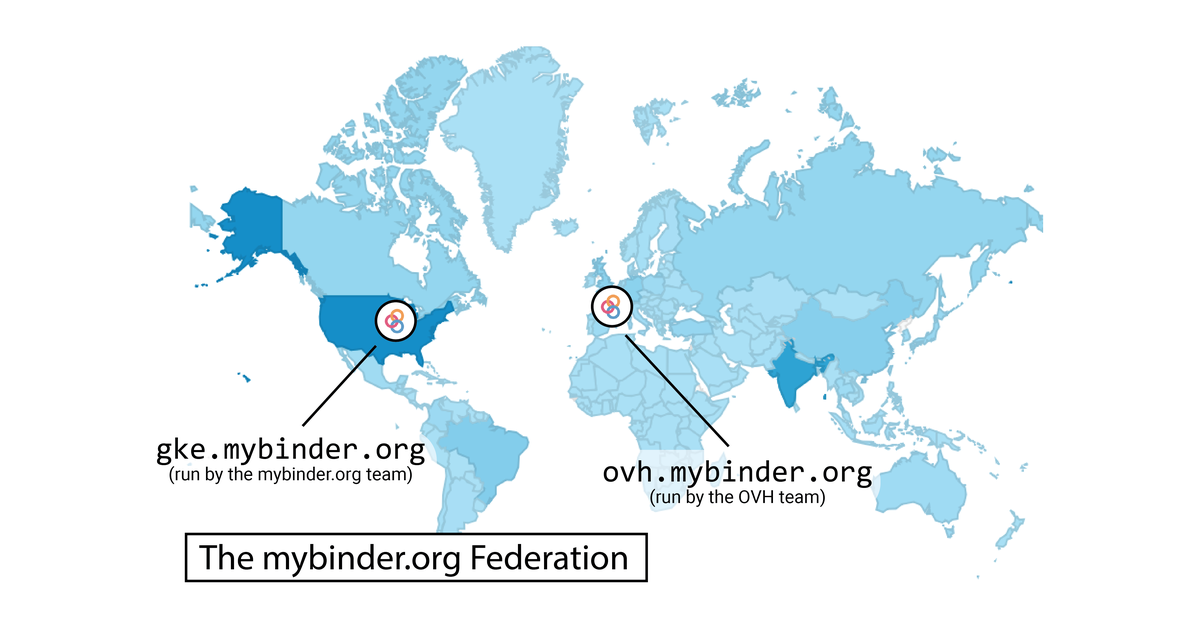
We are happy to announce that mybinder.org is now backed by two clusters hosted by two different cloud providers: Google Cloud and OVH.
Interactive and reproducible repositories powered by Zenodo and Binder.
Whenever someone says ‘You can do that with an extension’ in the Jupyter ecosystem, it is often not clear what kind of extension they are talking about. The Jupyter ecosystem is very modular and extensible, so there are lots of ways to extend it.
… from Jupyter notebooks to standalone applications and dashboards
We love Jupyter notebooks for accommodating a computational narrative — a combination of explanation, code, and the output of this code. Unfortunately, some tasks cannot be accomplished well by notebooks.
I would like to share some exciting news about a Jupyter Community Workshop in South America!
The University of Edinburgh is happy to announce our upcoming event as part of the Jupyter Community Workshop series funded by Bloomberg.
Today, we are pleased to announce the 1.0 release of JupyterHub. We’ve come a long way since our first release in March, 2015. There are loads of new features and improvements covered in the changelog, but we’ll cover a few of the highlights here.
We have some exciting news to share regarding the Jupyter Server Design and Roadmap Workshop as part of the Jupyter Community Workshop series funded by Bloomberg. This workshop will take place May 16th and 17th just outside Paris France at the IBM facility in Bois-Colombes.
Today we are proud to announce that we now consider BinderHub a stable tool with a track record of operating in production.
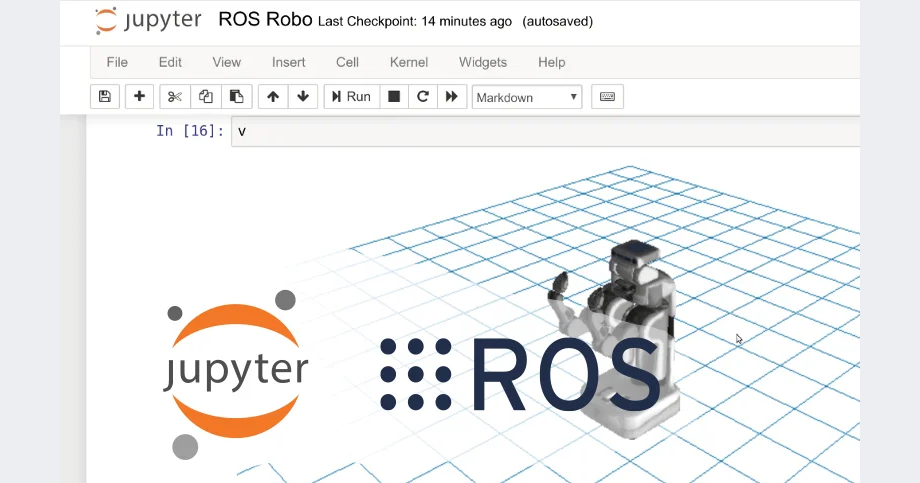
Project Jupyter is a huge hit in data science, but it has not yet found widespread adoption in robotics. Today, we are releasing the first version of jupyter-ros, a collection of Jupyter interactive widgets inspired by Qt and RViz, to bring their features to the Jupyter ecosystem.