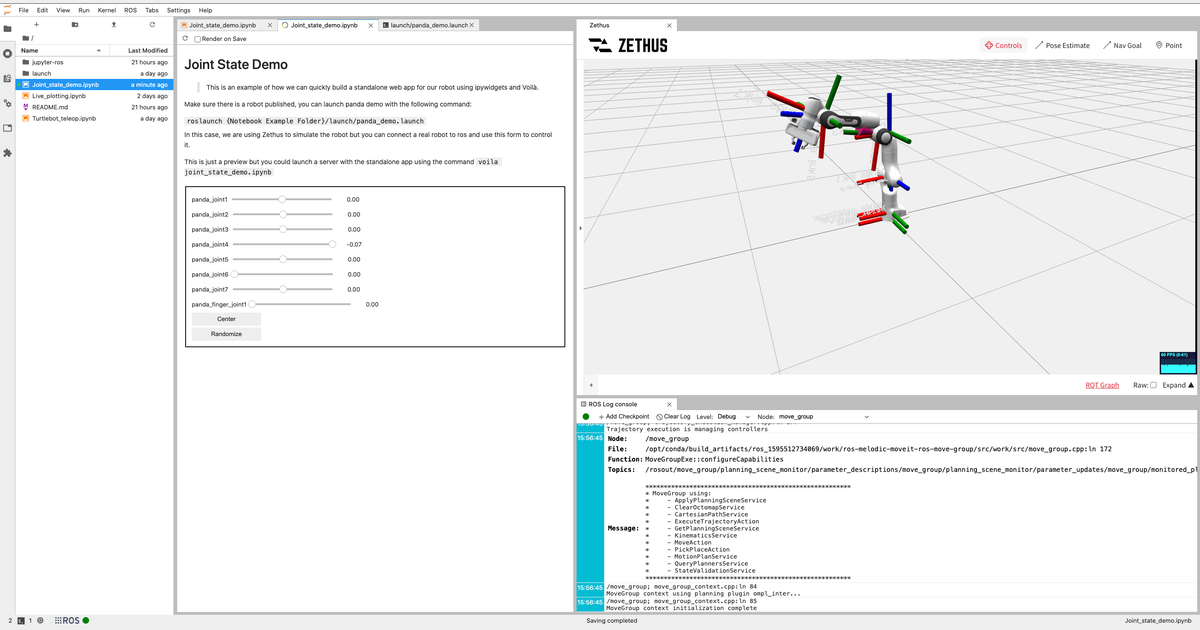
JupyterLab, the Cloud Robotics Command Station
Building a cloud robotics development platform using JupyterLab and ROS


Building a cloud robotics development platform using JupyterLab and ROS
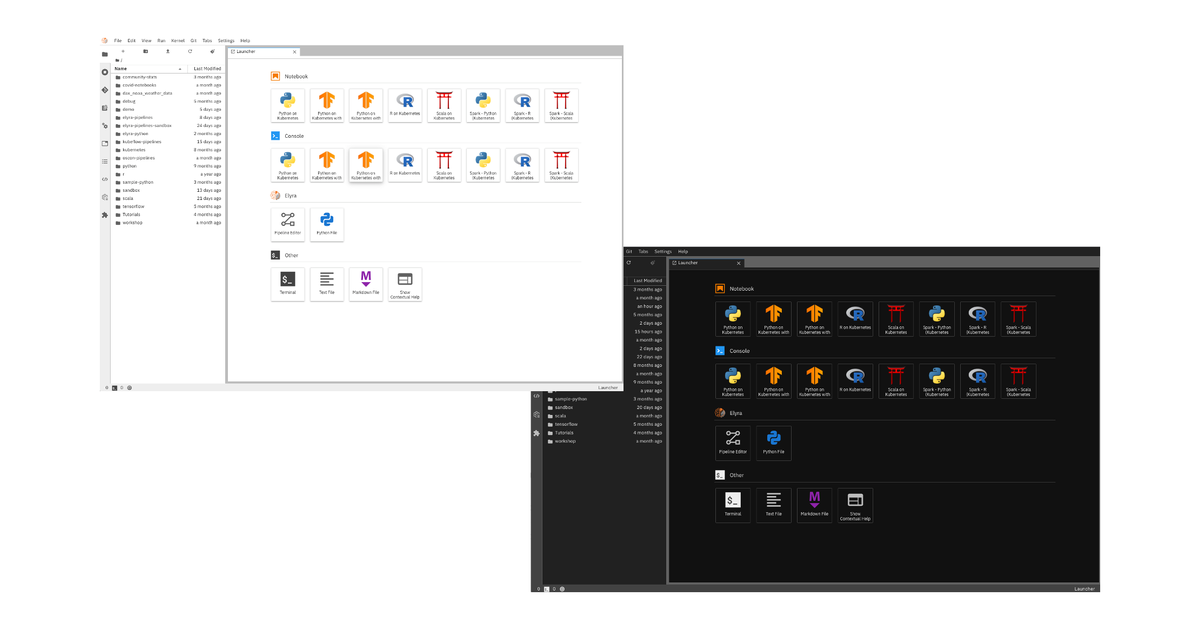
Building on a Jupyter Notebooks foundation, the de facto tool for data scientists, machine learning engineers and AI developers, Elyra is an open-source project that provides a set of AI-centric extensions to JupyterLab aiming to help users through the model development life cycle complexities…
JupyterCon 2020 keynote speaker announcement
JupyterCon 2020 keynote speaker announcement
JupyterCon 2020 keynote speaker announcement
Use Jupyter and 3D Slicer kernel to implement biomedical data processing workflows in a notebook.
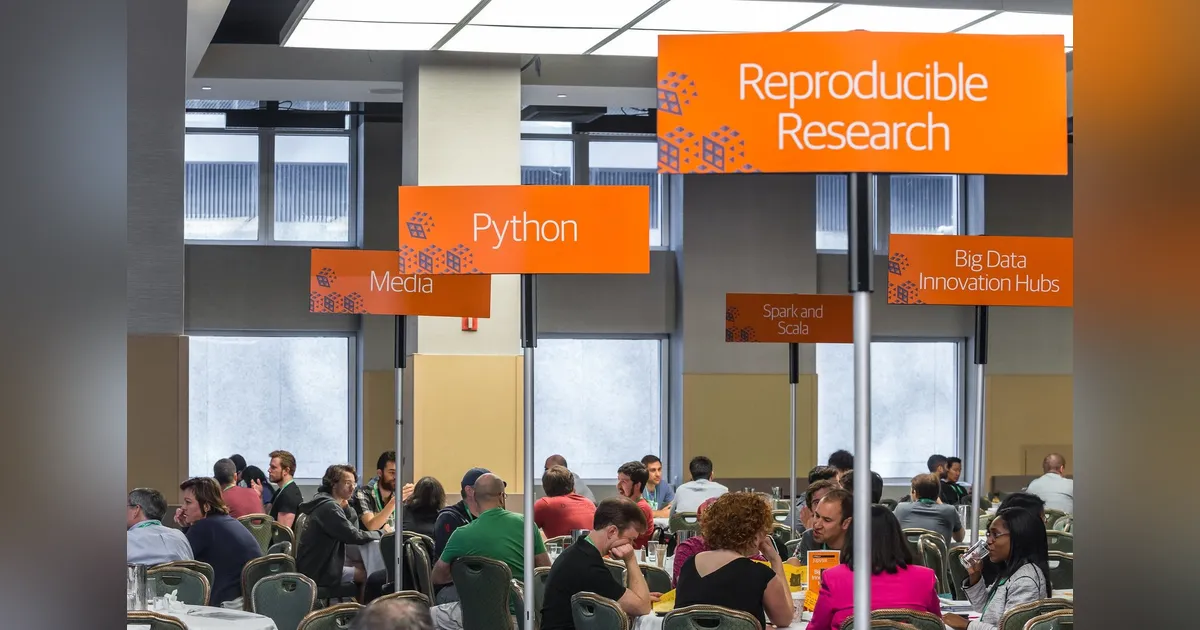
With glee, on February 7, we announced the return of the Jupyter community conference as a global event to be held in Berlin, Germany, in August. In a burst of enthusiasm, 174 people signed up to review for the technical program (you still can!).
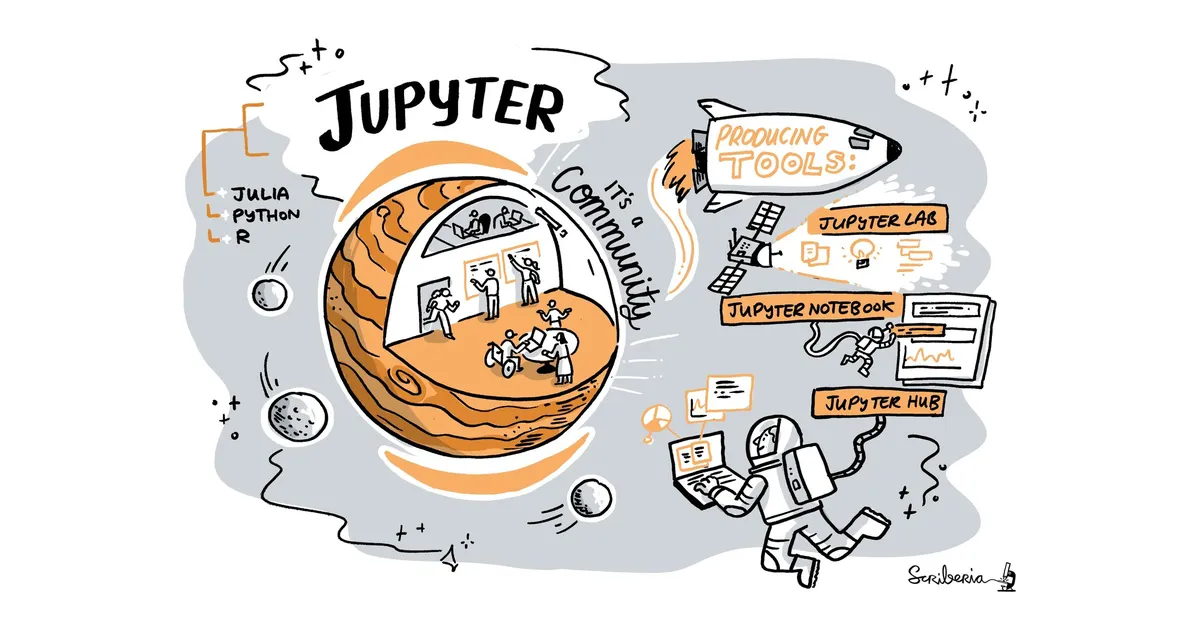
While it is well known in the Python scientific computing community, Jupyter is in fact a language-agnostic development environment. High-quality language kernels exist for the main languages of data sciences, such as Python, C++, R or Julia.
Jupyter has been a great choice for education for many years. The Jupyter Notebook has become one of the most popular tools to conduct workshops, tutorials, and teach online classes.
The JupyterHub and Binder Contributor in Residence. The first keepalive message.
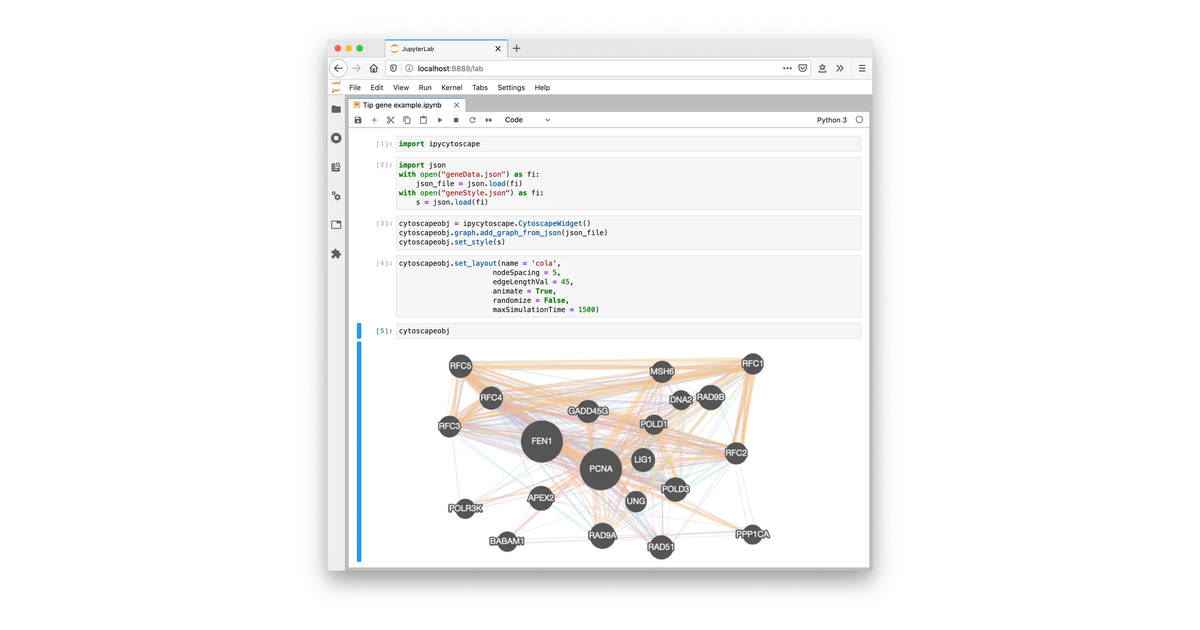
The Jupyter widgets ecosystem offers a broad variety of data visualization tools for exploratory analysis in the notebook. However, we lack a good story for exploratory graph visualization.
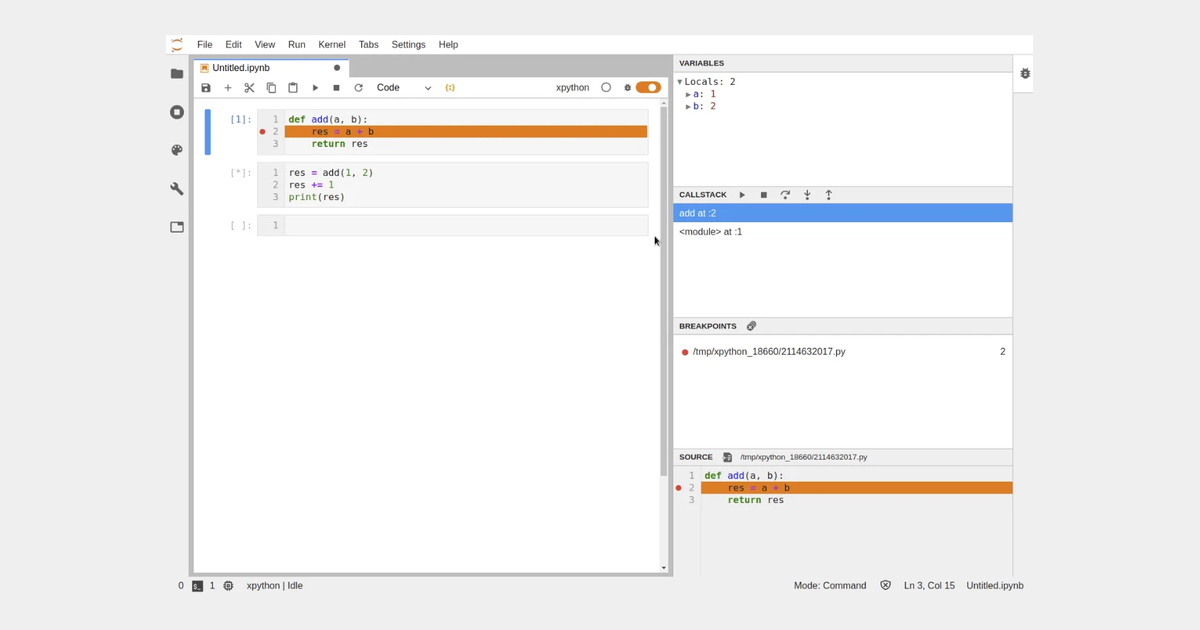
Most of the progress made in software projects comes from incrementalism. The ability to quickly see the outcome of an execution and iterate has been one of the main reasons for the success of Jupyter, especially in scientific exploratory workflows.
This is the first of a series of posts describing tools in the JupyterHub ecosystem, written by our wonderful Contributor in Residence, Georgiana. For our first post, we’ll share some lore of JupyterHub, and tell you a story of how it all began…
nbviewer has moved from Rackspace to OVHcloud. That means moving from Docker to Kubernetes+Helm.
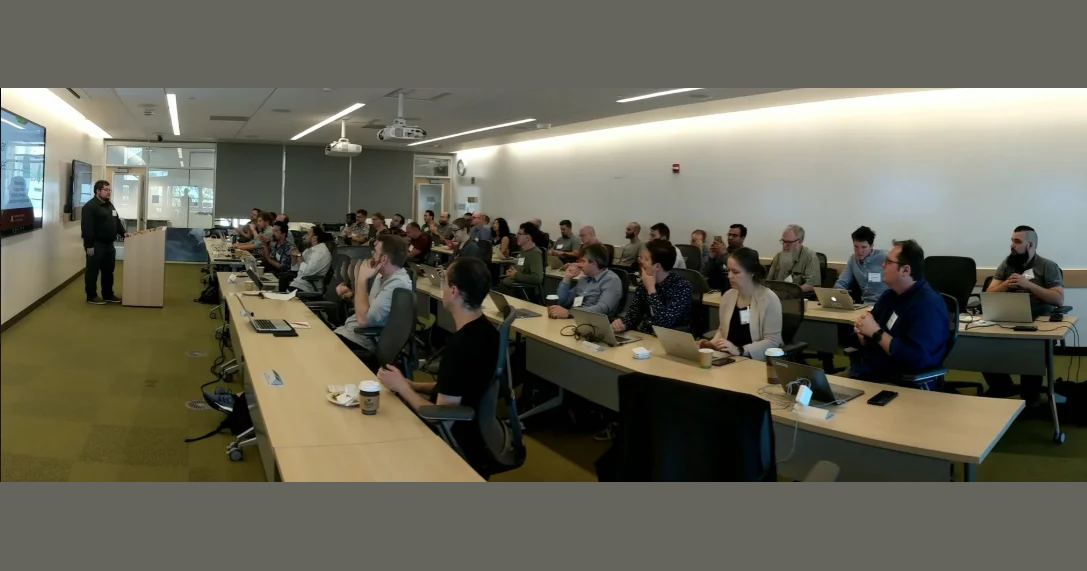
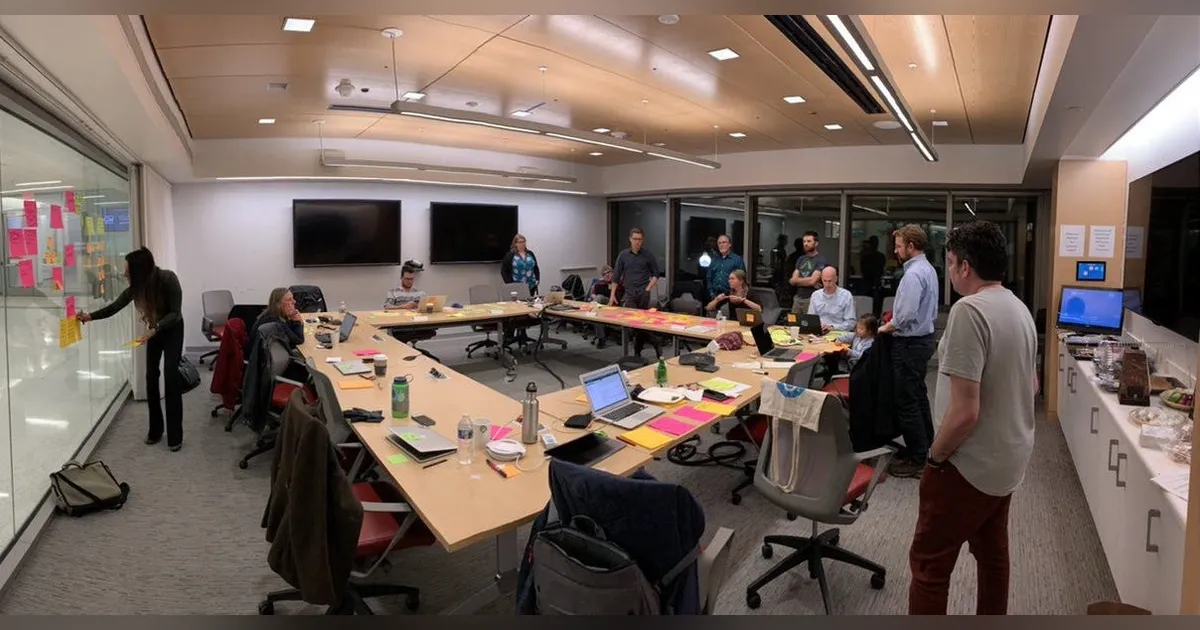
2019 was a busy, successful and exciting time for Jupyter Community Workshops! Led by community members, this global event series brought together small groups of people in order to strengthen the Jupyter community and for high-impact strategic work on focused topics.
This report is long overdue! From June 3rd to June 6th 2019, thirty-five developers from the Jupyter community met in Paris for a four-day workshop on dashboarding with Project Jupyter.
The announcement that the Jupyter community was eagerly anticipating!
The Xeus project has been incorporated as a Jupyter subproject.
2019 was a busy year for the Binder and JupyterHub projects — each saw growth in both their community and technology. Now that the year has wrapped up, it is a good time to reflect on some of the highlights from the year.
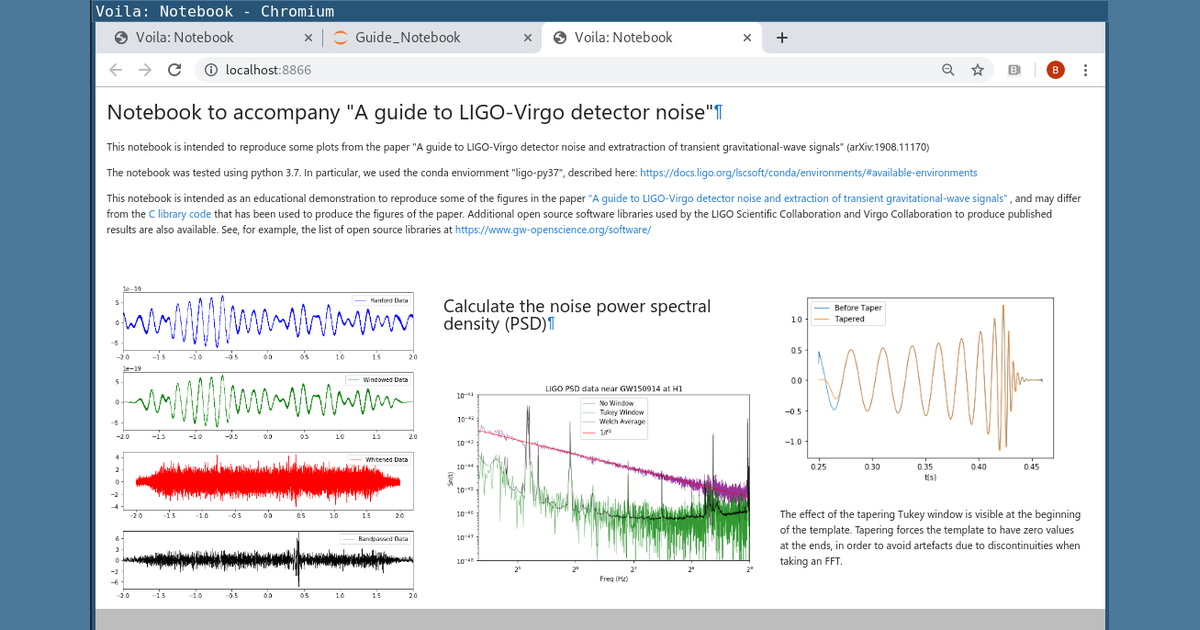
It is a great pleasure to announce that the Voilà project has been incorporated as a Jupyter subproject. Voilà will now be subject to the Jupyter governance and code of conduct.
Visual Studio Code has pretty good support for running Jupyter Notebooks. But what if your organization has a JupyterHub running remotely, with more compute resources & access to large amounts of data? How can you access that from Visual Studio Code running on your local machine?
Thanks to funding from the CZI Essential Open Source Software for Science initiative we are welcoming Georgiana Elena as our first Contributor in Residence!
We are pleased to announce the third call for proposals for Jupyter Community Workshops is now open!
The new Voilà gridstack template simplifies creating dynamic and flexible dashboard layouts.